English





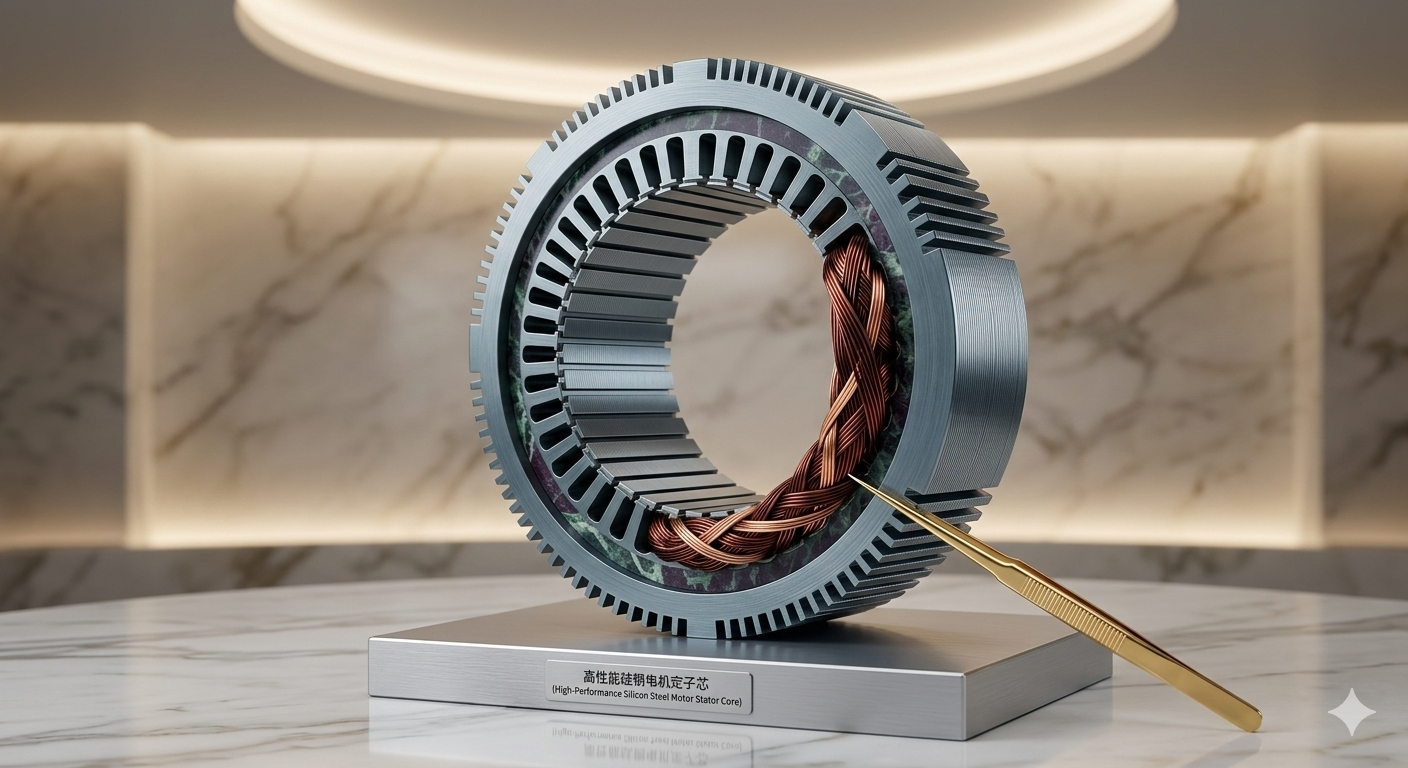
When Motor Performance Problems Lead Back to the Stator Core
If you talk to engineers who have worked on motor projects long enough, a pattern starts to appear. Many performance issues that show up in the final motor—vibration, efficiency loss, overheating—can often be traced back to one component that rarely gets enough attention: the motor stator core.
At first, everything seems fine. The design checks out. The prototype runs. But once production begins or the motor enters real working conditions, problems start to surface:
-
Motors running hotter than expected
-
Noise appearing during continuous operation
-
Efficiency dropping under load
-
Performance variations between batches
These issues are frustrating because they don’t always come from the motor design itself. In many cases, the root cause lies in how the stator core was manufactured—especially the precision of the laminations and the consistency of the material.
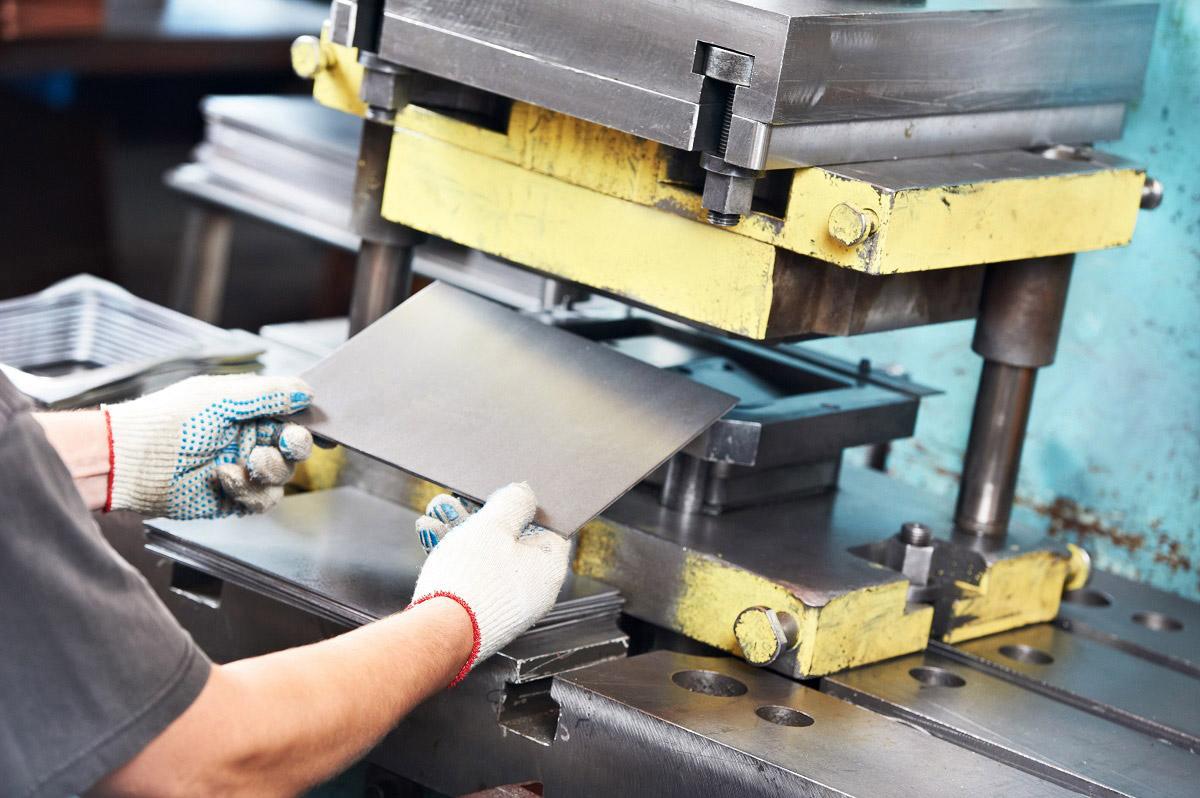
At Shumyi, we approach stator core production with the understanding that the smallest deviation in stamping precision or material quality can affect the entire motor system. By controlling lamination accuracy, material stability, and stacking consistency, we help ensure that the motor performs exactly as engineers expect it to.
Technical Elements That Shape Motor Stator Core Performance
Behind every reliable motor is a set of engineering decisions that determine how the magnetic field behaves. The motor stator core is responsible for guiding that magnetic flux, which means both material properties and manufacturing precision matter.
Electrical Steel Material
Most stator cores are made from non-oriented electrical steel designed to support rotating magnetic fields.
Typical material characteristics include:
-
Core loss range: 1.3–1.7 W/kg
-
High magnetic permeability
-
Stable magnetic response under changing load conditions
Material consistency is essential for maintaining stable motor efficiency.
Lamination Thickness
Reducing lamination thickness helps reduce eddy current loss and improve overall performance.
Typical configurations include:
-
0.35 mm – standard industrial motors
-
0.30 mm – improved efficiency motors
-
0.27 mm or thinner – high-performance designs
Thinner laminations help motors run cooler and maintain efficiency during long operation cycles.
Stamping Accuracy
Stamping precision directly affects magnetic continuity.
Typical manufacturing tolerances include:
-
Burr height: ≤0.02 mm
-
Dimensional tolerance: ±0.02 mm
Better precision ensures that the magnetic field flows smoothly through the core.
Stacking Consistency
Even when laminations are produced correctly, inconsistent stacking can disrupt the magnetic path.
Key considerations include:
-
uniform lamination pressure
-
stable alignment during assembly
-
controlled stacking height
These factors improve both efficiency and vibration stability.
Performance Comparison: Standard Production vs Controlled Stator Core Manufacturing
| Parameter | Standard Production | Controlled Manufacturing |
|---|---|---|
| Core Loss | 1.5–1.7 W/kg | 1.3–1.5 W/kg |
| Motor Efficiency | Baseline | +3–6% improvement |
| Noise Level | Moderate | Reduced by 10–20% |
| Heat Generation | Higher | Lower |
| Batch Consistency | Variable | Stable |
| Operational Lifespan | Standard | Improved durability |
For many motor manufacturers, even small improvements in magnetic efficiency can significantly affect overall equipment performance.
How Motor Stator Core Requirements Change Across Applications
Motor stator cores are at the heart of every electric motor, and their design must be tailored to the operating environment. Different industrial applications place distinct demands on material, lamination, stacking, and thermal performance. Selecting a “one-size-fits-all” core often leads to higher loss, overheating, or inconsistent motor performance.
1. Industrial Equipment Motors
Typical Use Cases: pumps, compressors, conveyor motors
Challenges:
-
Continuous operation for 8–16 hours per day
-
High torque demand with fluctuating loads
-
Mechanical vibration transmitted from connected machinery
Engineering Adjustments:
-
Material: CRNGO silicon steel with core loss ≤1.5 W/kg
-
Lamination Thickness: 0.35 mm for mechanical robustness
-
Stacking Precision: ±0.02 mm to ensure uniform magnetic path
-
Winding Control: torque-balanced coils to reduce vibration
Performance Results:
-
Noise reduction: ~12 dB compared to standard lamination
-
Efficiency improvement: +3–5% under heavy load
-
Thermal rise: reduced by ~10°C during continuous operation
-
Service life: extended by ~15%
Industrial buyers can quantify ROI: a 5% efficiency gain over 10 motors can save ~2000 kWh/year depending on load cycles.
2. High-Speed Automation Motors
Typical Use Cases: robotics, CNC machines, high-speed assembly lines
Challenges:
-
Rotational speeds exceeding 3000–5000 RPM
-
Rapid magnetic field changes causing eddy current spikes
-
Dynamic thermal cycling due to variable workloads
Engineering Adjustments:
-
Material: CRNGO or low-loss silicon steel with magnetic permeability μ ≥ 1800
-
Lamination Thickness: 0.27 mm to reduce eddy currents
-
Stacking Accuracy: ±0.015 mm for minimal magnetic air gaps
-
Precision Stamping: burr ≤0.02 mm to reduce flux distortion
Performance Results:
-
Eddy current losses reduced by ~15%
-
Motor efficiency maintained above 92% under full RPM
-
Vibration amplitude reduced by ~20%
-
Temperature rise controlled within 65–70°C under full load
This ensures high-speed motors maintain both torque stability and long-term reliability.
3. Energy-Efficient Motors for Variable Load Systems
Typical Use Cases: VFD-driven industrial equipment, HVAC, electric vehicles
Challenges:
-
Frequent load variation causing thermal cycling
-
High efficiency expectations (>90%) under partial load
-
Noise control for indoor or sensitive applications
Engineering Adjustments:
-
Material: low-loss CRGO for high magnetic saturation
-
Lamination Thickness: 0.23–0.27 mm for minimal core loss
-
Stacking Method: step-lap for vibration and noise reduction
-
Insulation: high-grade electrical varnish for repeated thermal cycles
Performance Results:
-
Core loss reduced from 1.6–1.7 W/kg to 1.3–1.4 W/kg
-
Efficiency gain: +4–6% at 50% load
-
Noise reduction: ~15% compared with standard stacking
-
Long-term stability: <2% variation in performance over 1000+ duty cycles
These improvements translate into measurable operational cost savings for long-term motor operation.
4. Compact Motors for Space-Constrained Equipment
Typical Use Cases: electric tools, small appliances, robotics end effectors
Challenges:
-
Limited space restricts lamination length and core size
-
Heat dissipation is constrained
-
High torque density required
Engineering Adjustments:
-
Material: CRNGO or ultra-thin silicon steel (0.23 mm)
-
Core Geometry: optimized C-core or toroidal adaptation for compact winding
-
Stacking: precision-controlled, ±0.015 mm
-
Insulation & Coating: high thermal tolerance varnish
Performance Results:
-
Maintains efficiency above 90% despite small size
-
Noise controlled to <50 dB in enclosed equipment
-
Core temperature rise <60°C under continuous duty
By adjusting both geometry and lamination, small motors maintain performance similar to larger industrial motors.
Key Takeaways for ToB Decision Makers
-
The application environment drives material choice, lamination thickness, and stacking precision.
-
Small changes in stamping tolerance (±0.02 mm vs ±0.05 mm) can alter efficiency by 3–5% and noise by 10–20%.
-
Choosing a supplier like Shumyi, capable of adapting motor stator cores to environment-specific requirements, ensures consistent performance, predictable energy consumption, and reduced maintenance costs.
Safety, Quality Control, and Manufacturing Standards
For industrial buyers, evaluating a stator core supplier also means assessing safety and quality systems.
Quality Control Procedures
Typical inspection processes include:
-
electrical steel material verification
-
stamping precision inspection
-
magnetic performance testing
-
dimensional tolerance verification
Safety Considerations
Reliable stator cores must ensure:
-
stable electrical insulation
-
resistance to thermal stress
-
mechanical durability during operation
These factors help ensure safe long-term motor operation.
Industry Certifications
Most professional manufacturers follow international standards such as:
-
ISO 9001 – quality management system
-
RoHS – environmental material compliance
-
CE – applicable electrical equipment standards
These certifications support global industrial applications.
Why Manufacturing Capability Determines Long-Term Motor Performance
Motor design can only deliver expected performance when the stator core is manufactured with consistent precision. Variations in material quality, stamping accuracy, or stacking alignment can significantly affect magnetic performance.
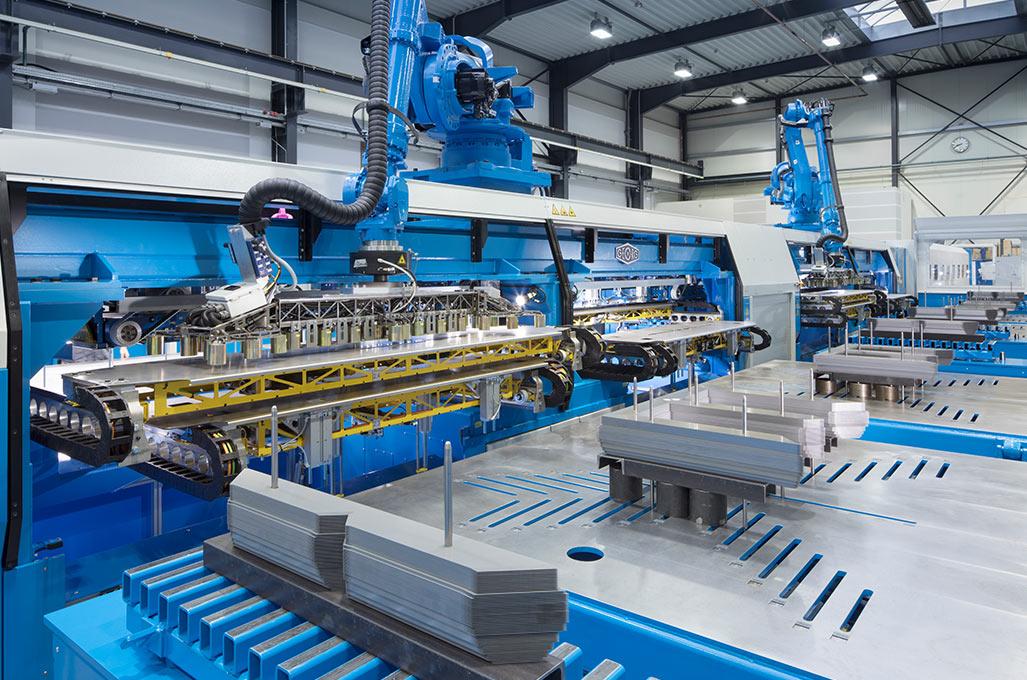
Factories with advanced stamping equipment, stable material sourcing, and strict process control can maintain consistent tolerances across large production batches. This stability ensures that motors perform predictably under real working conditions.
For industrial buyers, choosing a manufacturer capable of delivering this consistency is often more important than minor price differences.
Choosing the Right Motor Stator Core Manufacturing Partner
Selecting the right supplier for stator cores means choosing a partner that understands both motor design and manufacturing processes.
At Shumyi, we produce high-quality stator cores using controlled stamping technology and stable electrical steel materials. Our manufacturing approach focuses on maintaining tight tolerances, consistent magnetic performance, and reliable production capacity for industrial motor applications.
If you would like to explore available stator core types and configurations, you can review our product range here:
👉 https://www.shumyipx.com/products
For technical consultation, customization requests, or quotation discussions, you can contact our team directly:
👉 https://www.shumyipx.com/contact-us
Working with an experienced manufacturing partner helps ensure stable motor performance, reliable production supply, and long-term operational confidence.