English





When Motor Instability Is Not Caused by Design
In many motor development projects, the design phase is rarely where problems begin. Simulation results look correct, prototypes run smoothly, and performance targets are met.
The issues appear later—during production or real operation.
You start to notice:
- Motors heating faster under continuous load
- Noise increasing after batch production
- Efficiency differences between units
- Unexpected vibration in installed systems
At this stage, engineers often revisit the design. But more often than not, the root cause lies elsewhere—in the manufacturing process.
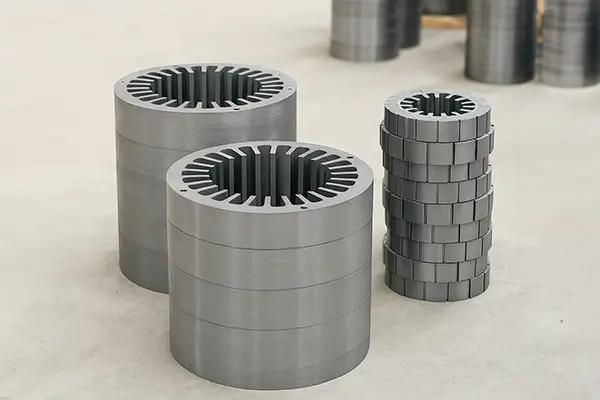
A reliable stator core manufacturer understands that the stator core defines the magnetic field behavior of the motor. Even small variations in lamination quality or stamping precision can disrupt that balance.
At Shumyi, we focus on controlling these variables from material sourcing to stacking alignment, ensuring that motor performance remains stable from prototype to mass production.
Key Manufacturing Factors That Define Stator Core Performance
A stator core is not just a structural component—it is a magnetic system. Its performance depends on both material characteristics and production precision.
Electrical Steel Material
Motor stator cores typically use non-oriented electrical steel.
Typical parameters:
- Core loss: 1.3–1.7 W/kg
- Thickness: 0.27–0.35 mm
- Stable magnetic properties under dynamic load
Material variation can lead to efficiency differences of 3–6% in motor performance.
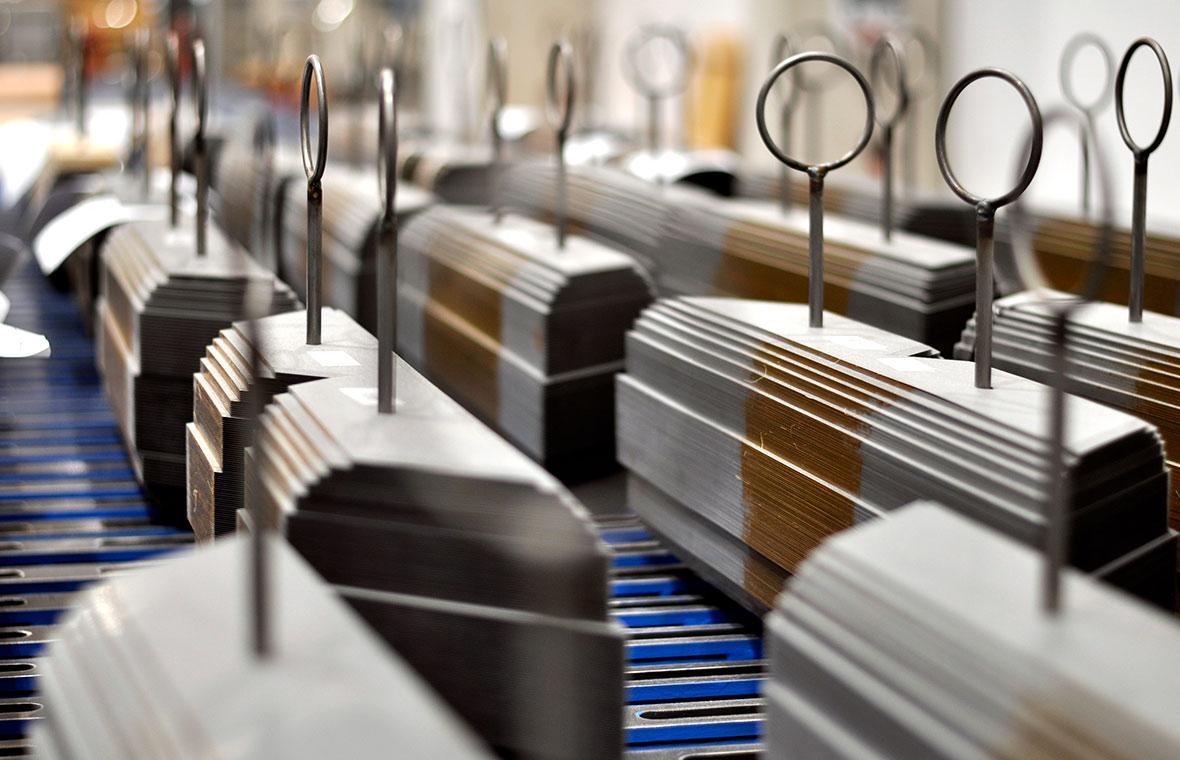
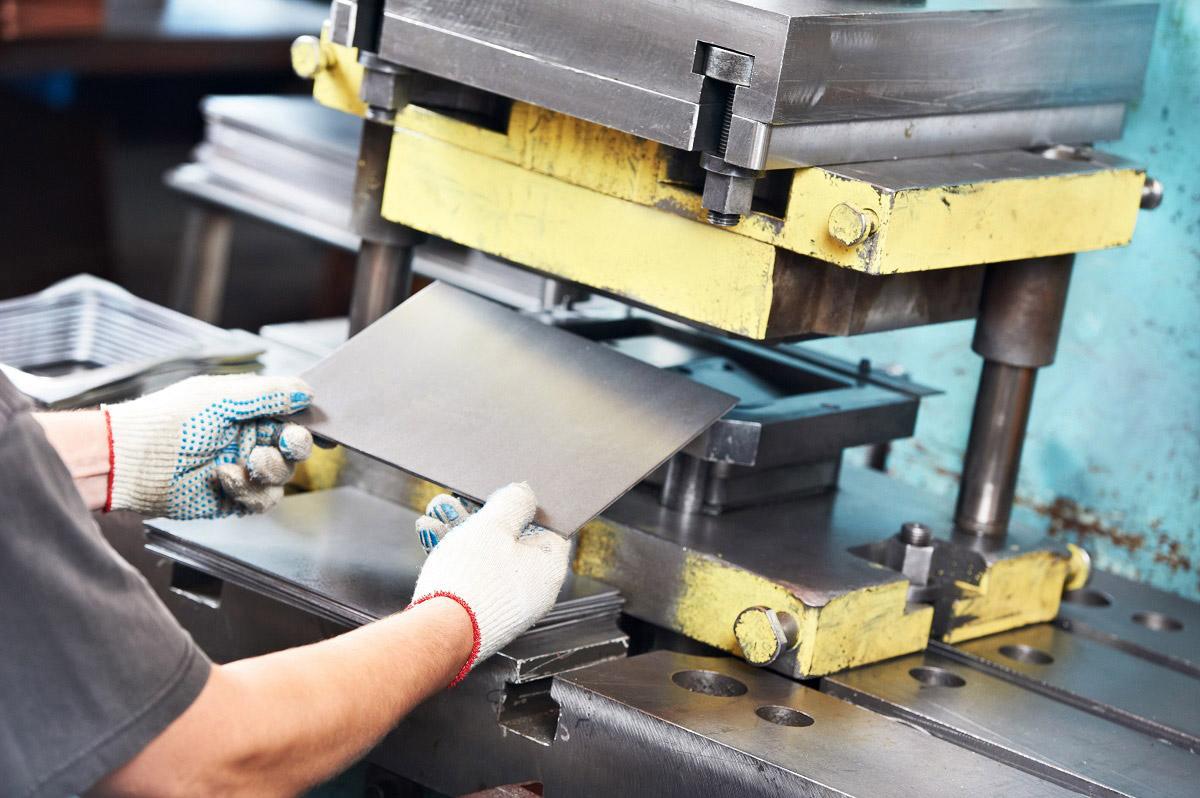
Stamping Precision
Stamping determines how accurately the magnetic path is formed.
Key indicators:
- Burr height: ≤0.02 mm
- Dimensional tolerance: ±0.02 mm
Higher burr levels increase eddy current loss and heat generation.
Slot Geometry and Accuracy
Stator cores rely on precise slot design for winding placement.
Critical factors:
- slot dimensional consistency
- uniform spacing
- accurate alignment
Poor slot accuracy leads to:
- uneven magnetic fields
- increased vibration
- reduced motor efficiency
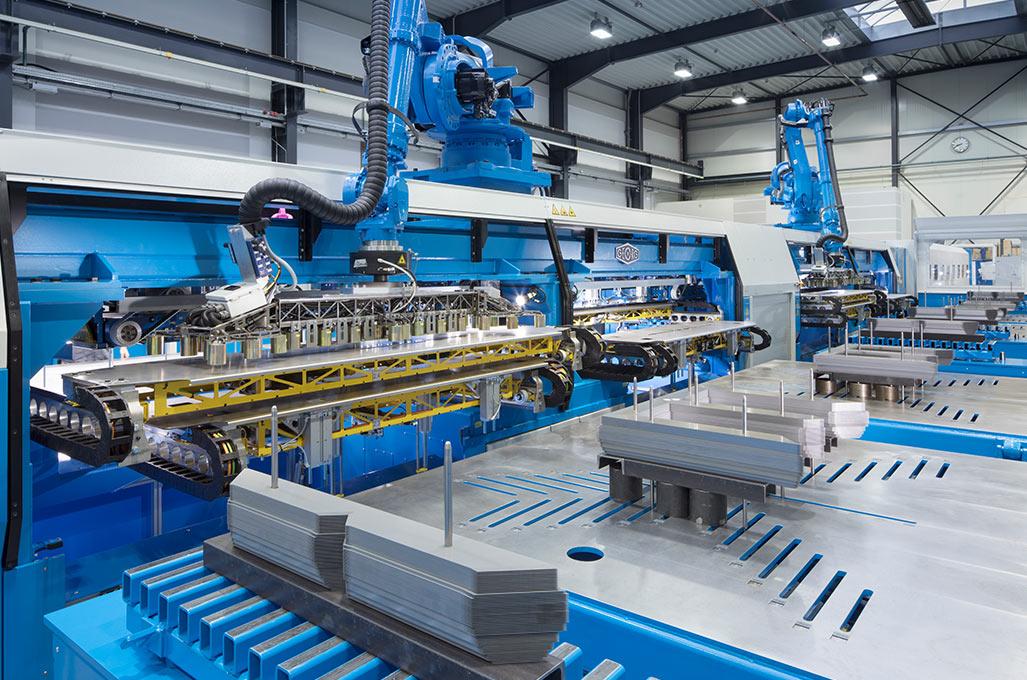
Stacking Consistency
Stacking determines how laminations behave as a unified magnetic body.
Key controls:
- alignment deviation ≤0.02 mm
- uniform stacking pressure
- consistent stacking height
This directly affects noise, efficiency, and long-term stability.
Performance Comparison: Standard vs Controlled Stator Core Production
| Parameter | Standard Production | Controlled Manufacturing |
|---|---|---|
| Core Loss | 1.5–1.7 W/kg | 1.3–1.5 W/kg |
| Motor Efficiency | Baseline | +3–6% |
| Noise Level | Variable | Reduced by 10–20% |
| Heat Generation | Higher | Lower |
| Batch Consistency | Unstable | Stable |
| Defect Rate | 7–10% | 3–5% |
These differences become more significant as production volume increases.
How Stator Core Manufacturing Adapts to Different Motor Applications
A professional stator core manufacturer must adjust production parameters depending on motor type and operating conditions.
High-Torque Industrial Motors
Environment: heavy-duty equipment, pumps, compressors
Challenges:
- continuous operation
- mechanical vibration
Production adjustments:
- thicker laminations (0.35 mm)
- reinforced stacking structure
- stable alignment control
Result:
- improved durability
- reduced vibration over long cycles
High-Speed Precision Motors
Environment: automation systems, robotics
Challenges:
- high rotational speed
- rapid magnetic changes
Production adjustments:
- thinner laminations (≤0.27 mm)
- higher stamping precision
- tighter tolerance control
Result:
- reduced eddy current loss
- smoother operation
Energy-Efficient Motor Systems
Environment: variable frequency systems, energy-saving equipment
Challenges:
- efficiency requirements
- thermal management
Production adjustments:
- optimized material selection
- improved magnetic continuity
Result:
- efficiency improvement of 3–5%
- reduced heat generation
Safety, Quality Control, and Compliance
When selecting a stator core manufacturer, safety and quality systems must be considered alongside performance.
Quality Control System
Typical inspection includes:
- raw material verification
- stamping accuracy inspection
- magnetic performance testing
- dimensional inspection
Safety Considerations
Reliable stator cores must ensure:
- stable insulation performance
- resistance to thermal stress
- structural durability during operation
Certifications
Professional manufacturers comply with:
- ISO 9001 – quality management
- RoHS – environmental compliance
- CE – applicable standards
These ensure compatibility with global industrial markets.
Why Manufacturing Capability Determines Motor Performance
Motor performance is not defined only by design—it is defined by how consistently that design is executed.
A capable stator core manufacturer can:
- maintain consistent magnetic performance
- reduce variation across production batches
- improve long-term reliability
Even small improvements in core quality translate into measurable gains in efficiency and reduced operating cost.
Working with a Stator Core Manufacturer That Ensures Stability
At Shumyi, we control every stage of stator core production—from electrical steel sourcing to stamping and stacking—ensuring consistent performance across all production volumes. Our approach focuses on aligning manufacturing precision with real application requirements, helping customers achieve stable motor performance.
If you want to explore available stator core products and configurations, you can review our product range here:
👉 https://www.shumyipx.com/products
For technical consultation, customization needs, or quotation support, you can contact our team directly:
👉 https://www.shumyipx.com/contact-us
Working with a manufacturer that understands both motor design and production processes ensures stable performance, reduced risk, and long-term operational reliability.