English





Selecting a laminated steel manufacturer is more than a sourcing task. Industrial buyers often encounter:
- Inconsistent core loss between batches
- Noise and vibration due to misaligned laminations
- Increased heat generation under load
- Variations in dimensional accuracy affecting assembly
These issues translate directly into operational inefficiency, increased maintenance costs, and reduced lifespan of transformers and motors.
Understanding the Underlying Principles
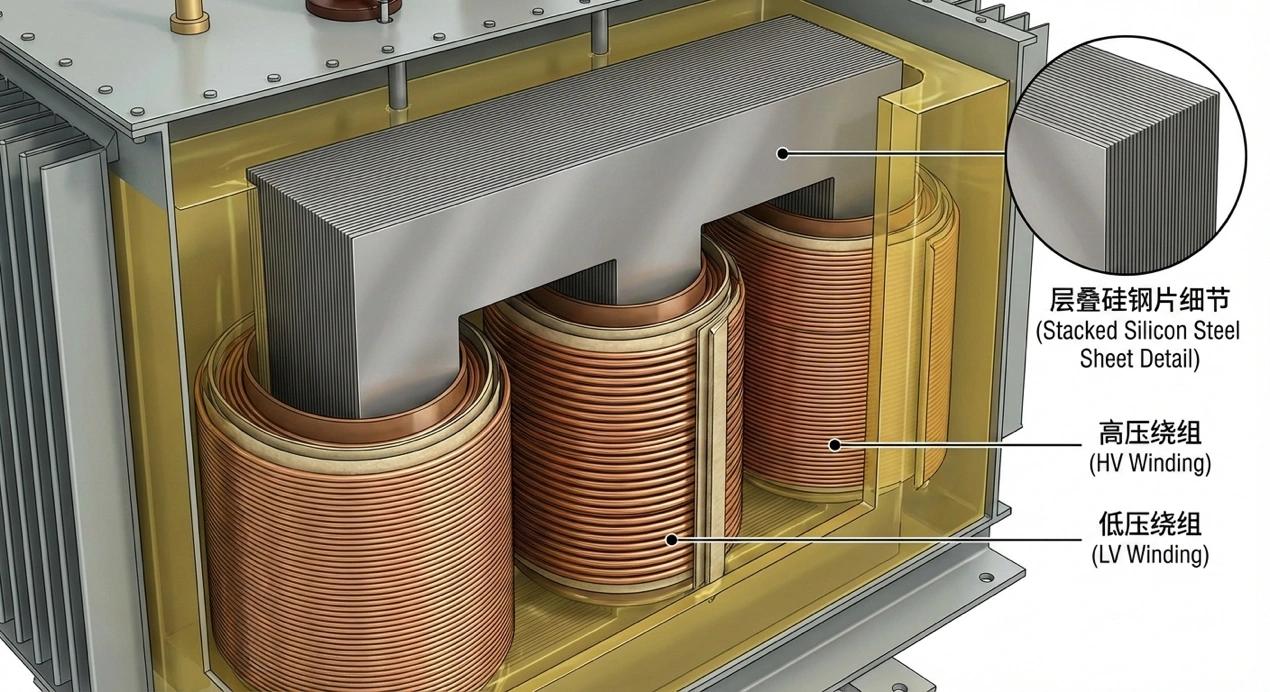
The quality of laminated cores depends on:
- Material uniformity: consistent electrical steel grade
- Lamination thickness control: typically 0.23–0.35 mm depending on application
- Stamping precision: burr height ≤0.02 mm for low eddy current loss
- Alignment and stacking consistency: deviations ≤0.02 mm to ensure uniform flux
Proper control of these parameters is critical to achieving consistent magnetic performance and low core loss.
Comparative Analysis
| Parameter | Average Supplier | High-Precision Laminated Steel Manufacturer |
|---|---|---|
| Core Loss | 1.5–1.8 W/kg | 1.2–1.4 W/kg |
| Lamination Thickness Variation | ±0.008 mm | ±0.003 mm |
| Noise Level | Variable | Reduced by 15–25% |
| Dimensional Accuracy | ±0.05 mm | ±0.02 mm |
| Batch Consistency | Inconsistent | Stable |
| Production Yield | 85–90% | 95–97% |
High-precision manufacturing reduces energy loss, improves efficiency, and lowers defect rates in mass production.
Solutions Offered by Advanced Manufacturers
A professional laminated steel manufacturer addresses these issues by:
- Implementing in-line quality inspection for core loss and lamination dimensions
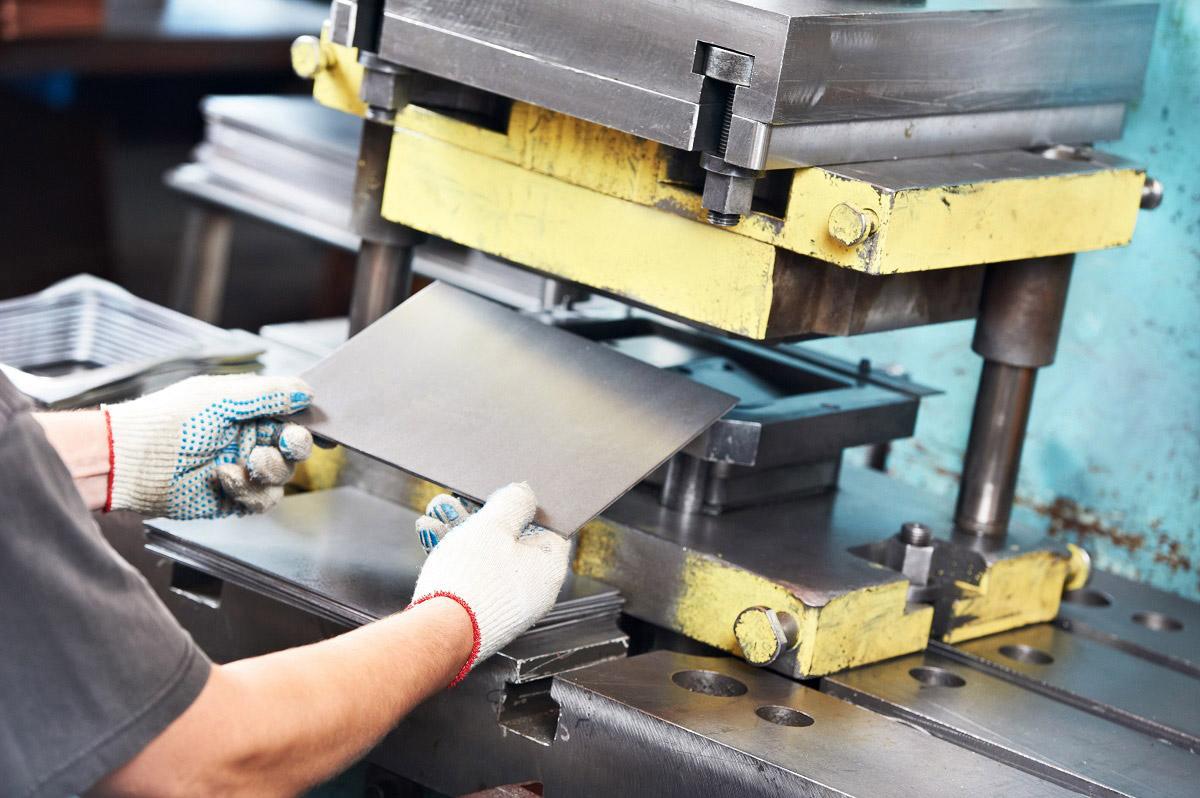
- Maintaining controlled stamping speeds and tooling precision
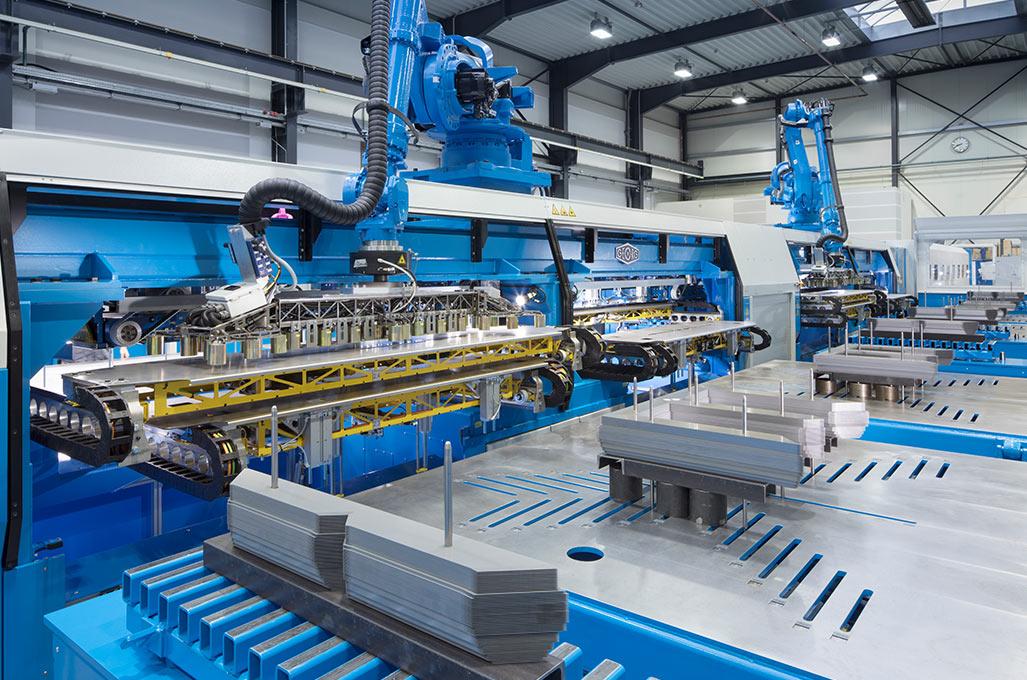
- Optimizing stacking pressure and alignment procedures
- Using high-quality CRGO or CRNGO steel depending on the application
These measures ensure repeatable performance and reliable product output.
Advantages of Using a High-Quality Laminated Steel Manufacturer
- Consistent magnetic performance across all batches
- Reduced core loss and heat generation
- Minimized vibration and acoustic noise
- Stable dimensions for seamless assembly
- Lower total cost of ownership due to fewer defects and maintenance
Application Scenarios
Transformers
- Continuous operation under load
- High efficiency and low energy loss required
- Lamination thickness: 0.23–0.35 mm
Industrial Motors
- High-speed rotational performance
- Torque consistency critical
- Lamination alignment and balance precision required
High-Frequency Equipment
- Requires low eddy current loss
- Nanocrystalline or thin laminations preferred
- Tight dimensional tolerances
Selection Guidance
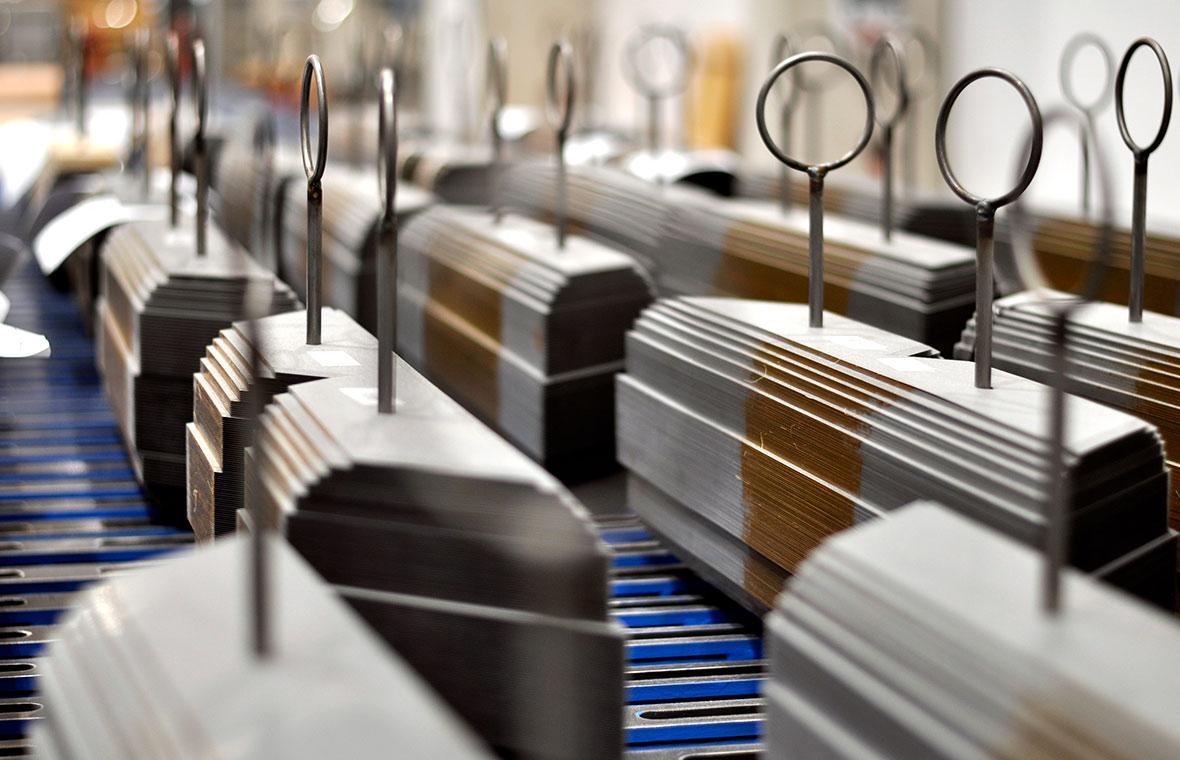
- Choose a manufacturer with in-house stamping and lamination assembly capabilities
- Verify material certificates and core loss testing reports
- Confirm batch-to-batch consistency through pilot runs
- Evaluate tooling condition and maintenance practices
FAQ
Q1: How does lamination thickness affect core performance?
A: Thinner laminations reduce eddy current loss, improve efficiency, and lower operating temperature.
Q2: Why is burr height important in stamping?
A: Higher burrs increase magnetic resistance, heat, and noise. Controlled burrs improve overall performance.
Q3: What certifications should a reliable manufacturer have?
A: ISO 9001, RoHS, and CE compliance are standard for quality and environmental control.
Summary
Choosing the right laminated steel manufacturer ensures consistent core performance, energy efficiency, and long-term reliability for transformers and motors. High-quality manufacturing reduces core loss, noise, and thermal issues while improving batch consistency and production yield.
Explore our product range here:
https://www.shumyipx.com/products
For consultation, customization, or quotation, contact us here:
https://www.shumyipx.com/contact-us