English





Why Laminated Core Issues Often Appear After Production Starts
In transformer projects, problems rarely show up at the beginning. Samples pass testing, dimensions are correct, and performance seems stable.
Then production begins.
And slowly, inconsistencies appear:
- Core loss readings start drifting between batches
- Some units run hotter under the same load
- Noise levels vary even within the same production lot
- Assembly becomes more difficult due to slight dimensional shifts
At first, these issues look unrelated. But when traced back, they often point to one source—the laminated core factory.
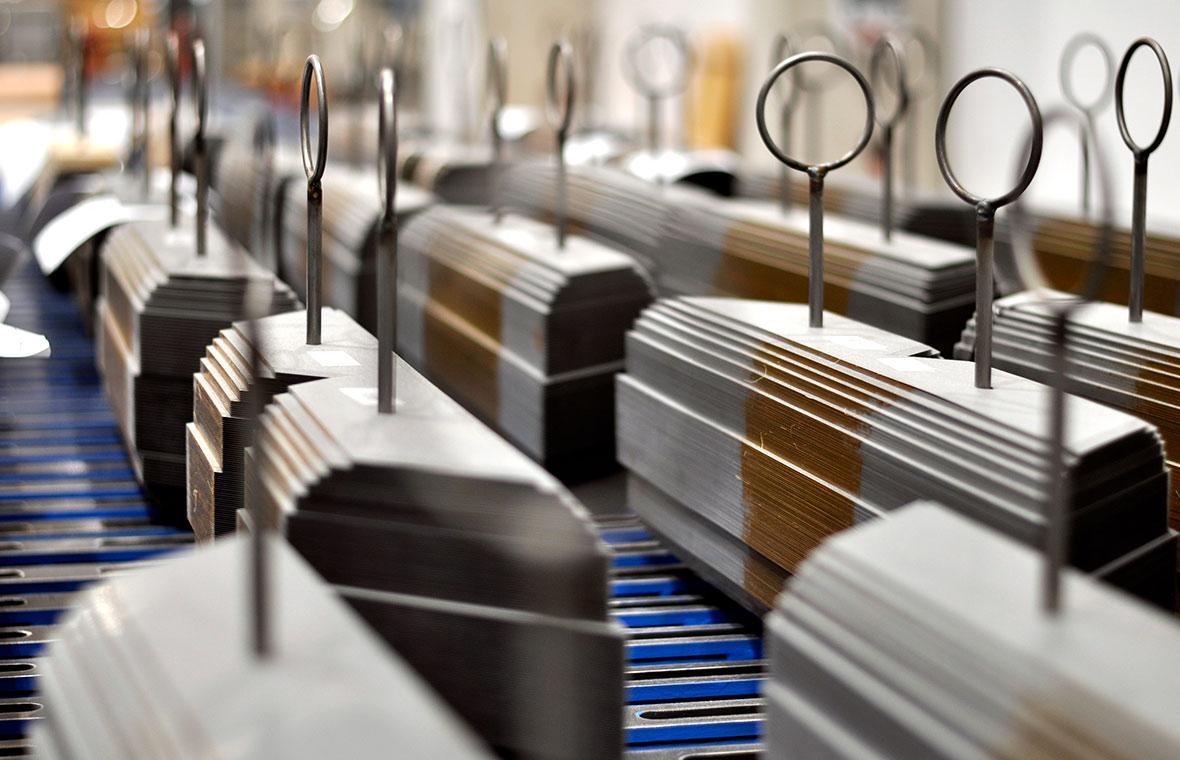
The reality is that laminated cores are highly sensitive to manufacturing conditions. Small variations in stamping pressure, burr height, or stacking alignment can change how magnetic flux flows through the core.
At Shumyi, we’ve learned that stable transformer performance is not achieved by design alone. It depends on controlling the entire production chain—from electrical steel selection to stamping and stacking—so that every unit behaves the same way under real working conditions.
What Actually Defines a High-Level Laminated Core Factory
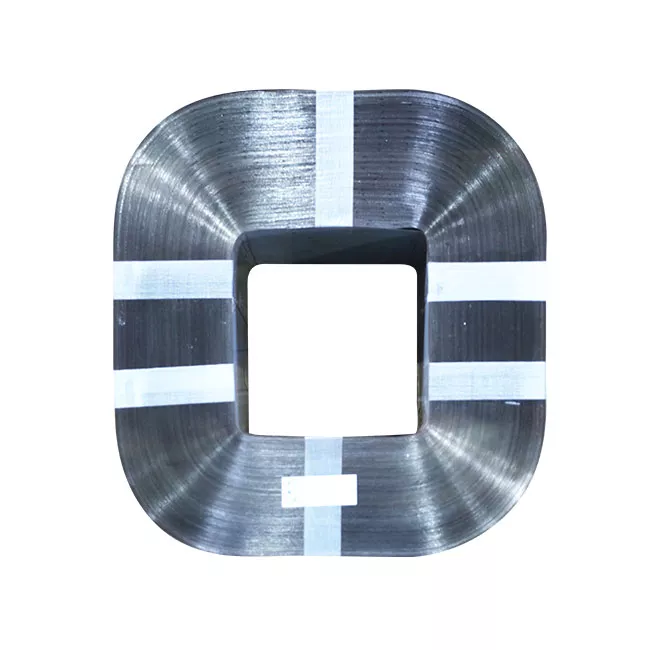
A professional laminated core factory is not just producing metal parts—it is shaping magnetic performance. The difference between stable and unstable cores often lies in how well key production variables are controlled.
Electrical Steel Selection and Batch Stability
Electrical steel determines the baseline performance of the core.
Typical parameters:
- Core loss range: 1.2–1.6 W/kg
- Thickness options: 0.23 / 0.27 / 0.35 mm
- Magnetic permeability stability under load
More importantly, consistency between batches must be controlled. Even slight variations can shift transformer efficiency by 3–7%.
Stamping Process and Tooling Condition
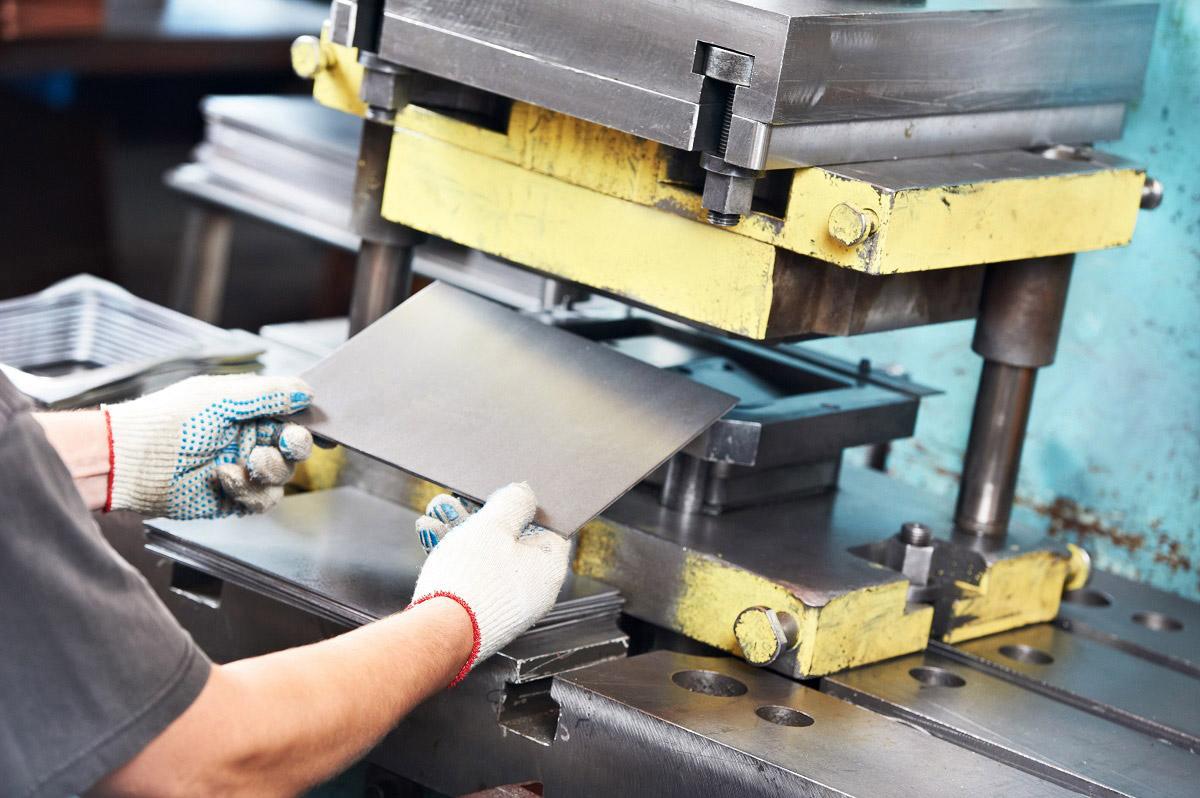
Stamping is where many hidden issues originate.
Key technical indicators:
- Burr height: ≤0.02 mm
- Tool wear control: monitored per production cycle
- Edge smoothness affecting magnetic continuity
If tooling is not stable, burr increases and directly leads to higher eddy current loss.
Lamination Alignment and Pressure Control
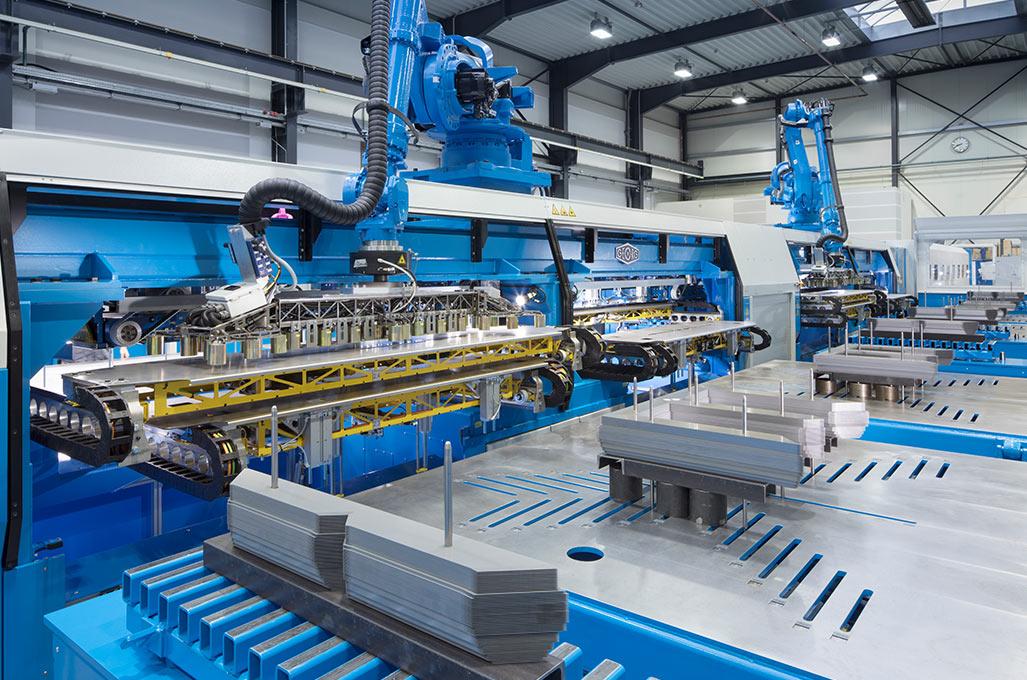
Stacking is not simply a mechanical step—it determines magnetic path integrity.
Critical factors:
- Alignment deviation: ≤0.02 mm
- Uniform pressure across the stack
- Controlled stacking density
Misalignment can cause local flux distortion, increasing both noise and heat.
Process Repeatability
A capable laminated core factory ensures that production conditions remain stable over time.
Without this:
- Core loss variation: ±5–10%
- Dimensional inconsistency
- Increased rejection rates
Repeatability is what ensures that prototypes and mass production behave the same.
Performance Comparison: Standard Production vs Controlled Core Manufacturing
| Parameter | Standard Production | Controlled Laminated Core |
|---|---|---|
| Core Loss | 1.5–1.8 W/kg | 1.2–1.4 W/kg |
| Efficiency | Baseline | +5–10% |
| Noise Level | Inconsistent | Reduced by 15–25% |
| Heat Generation | Higher | Lower |
| Batch Stability | Variable | Consistent |
| Defect Rate | 8–12% | 3–5% |
For manufacturers producing at scale, reducing defect rate alone can significantly impact profitability.
How Laminated Core Production Adapts to Different Industrial Conditions
Not all laminated cores are used under the same conditions. A reliable laminated core factory must adjust production parameters depending on how the transformer will actually operate.
High Load Density Systems
Typical environment: industrial transformers, power distribution units
Challenges:
- sustained high current
- thermal accumulation in core
Production adjustments:
- tighter stacking density
- low-loss material selection
- improved insulation coating
Result:
- temperature reduction of ~10°C
- improved operational stability
Intermittent Load Systems
Typical environment: switching equipment, control systems
Challenges:
- frequent load changes
- magnetic instability
Production adjustments:
- improved lamination precision
- optimized magnetic path continuity
Result:
- reduced energy fluctuation
- stable performance under varying load
Precision Equipment Applications
Typical environment: indoor electrical systems, sensitive installations
Challenges:
- noise sensitivity
- dimensional accuracy requirements
Production adjustments:
- tighter alignment tolerance
- improved surface finishing
Result:
- noise reduction of 15–20%
- improved assembly compatibility
Safety, Quality Control, and Compliance
When evaluating a laminated core factory, safety and compliance are part of the decision—not an afterthought.
Quality Control System
Typical inspection stages include:
- raw material verification
- stamping accuracy inspection
- core loss measurement
- dimensional tolerance checks
Safety Considerations
Reliable laminated cores must ensure:
- insulation stability under electrical stress
- resistance to thermal cycling
- structural integrity during operation
Certifications
Most qualified manufacturers comply with:
- ISO 9001 – quality management
- RoHS – material compliance
- CE – applicable equipment standards
These standards ensure compatibility with international markets.
Why Manufacturing Stability Defines Long-Term Cost
In laminated core production, cost is not defined by the purchase price—it is defined by how the core performs over time.
A capable laminated core factory helps:
- reduce energy loss during operation
- minimize defect rates in production
- ensure consistent transformer performance
Even a small improvement—such as a 5% efficiency gain—can translate into significant long-term savings in large-scale applications.
Choosing the Right Laminated Core Factory for Reliable Supply
Selecting a laminated core supplier means choosing a partner that can deliver consistency—not just components.
At Shumyi, we control every stage of production, from material sourcing to stamping and stacking, ensuring stable performance across all batches. Our approach focuses on aligning manufacturing precision with real application requirements, so that each core performs reliably in its intended environment.
If you want to explore available laminated core products and configurations, you can review our product range here:
👉 https://www.shumyipx.com/products
For technical consultation, customization needs, or quotation support, you can contact our team directly:
👉 https://www.shumyipx.com/contact-us
Working with a manufacturer that prioritizes production stability ensures consistent performance, reduced risk, and long-term operational reliability.