English





In transformer and motor projects, core components are usually specified with clear material grades and dimensions. However, once production begins, unexpected issues often arise:
- higher core loss than expected
- noise variation between units
- inconsistent efficiency across batches
- temperature rise under continuous load
These problems are rarely caused by design errors. Instead, they are closely linked to how the core is produced.
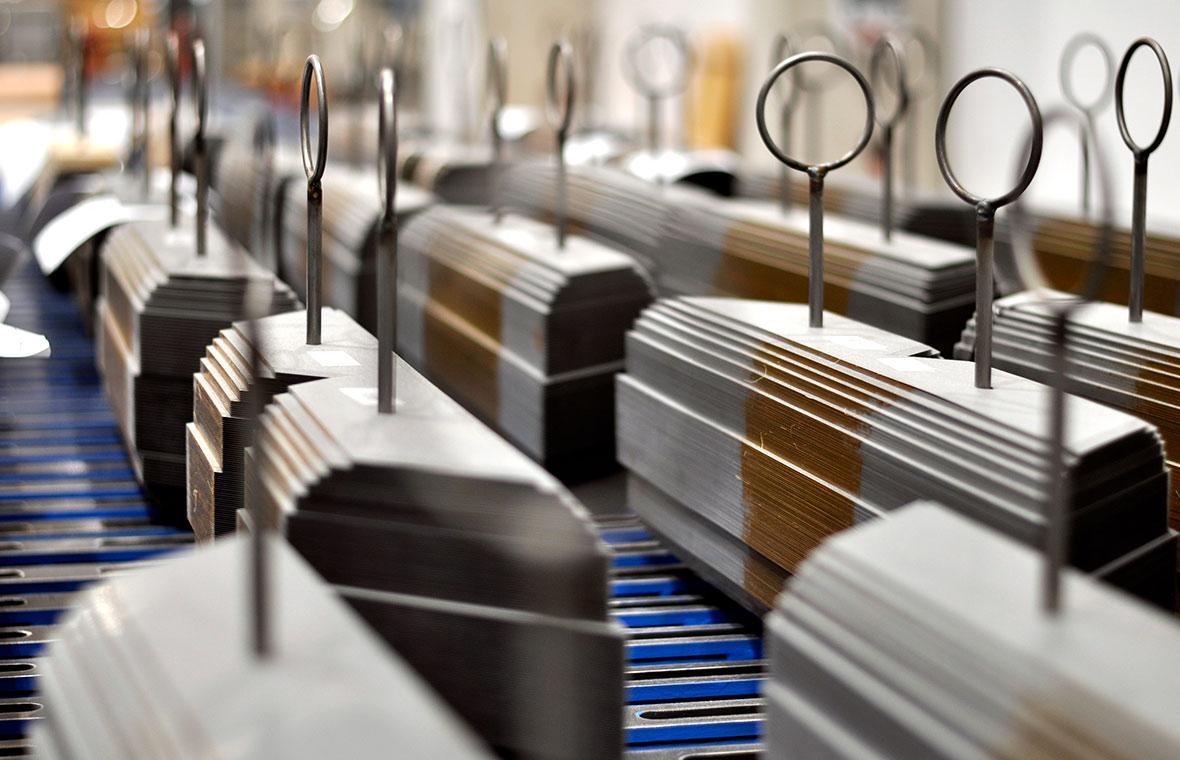
A reliable electrical core factory does not simply follow drawings—it ensures that magnetic performance is preserved throughout material handling, stamping, and assembly.
At Shumyi, we manage the entire production chain to maintain consistency from raw material to finished core.
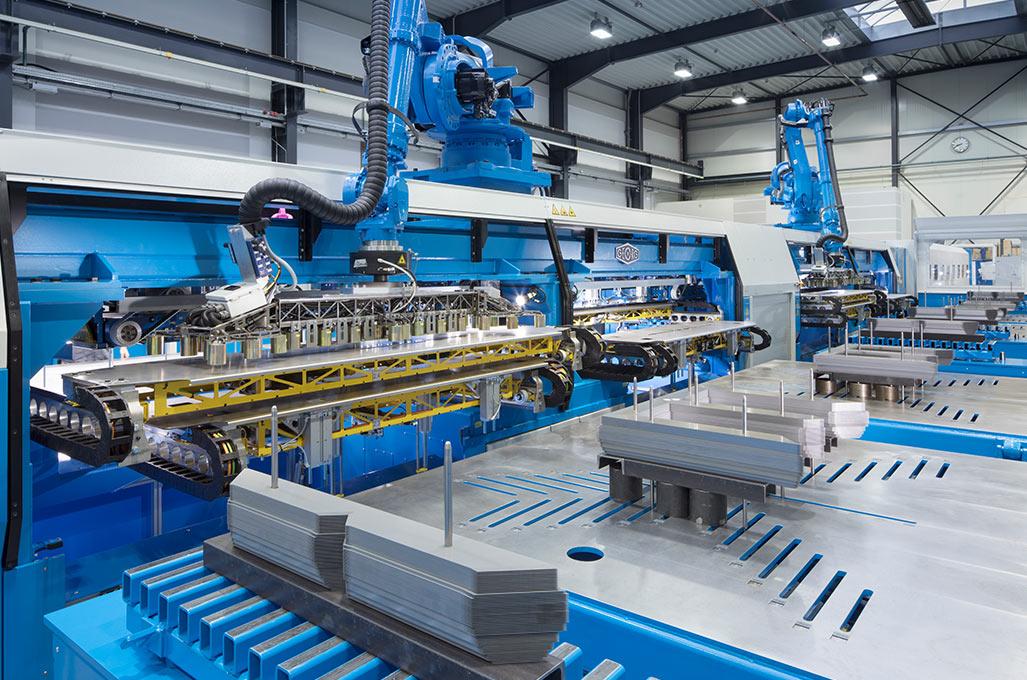
How Manufacturing Principles Affect Core Performance
Core performance depends on both material characteristics and process control.
Electrical Steel Material
Typical parameters:
- core loss: 1.2–1.5 W/kg (CRGO)
- thickness: 0.23–0.35 mm
- stable permeability under load
Material inconsistency can lead to efficiency differences of 3–5%.
Stamping Precision
Stamping defines the lamination geometry.
Key indicators:
- burr height ≤0.02 mm
- dimensional tolerance ±0.02 mm
Higher burr increases eddy current loss and heat generation.
Lamination Stacking
Stacking determines magnetic path continuity.
Critical factors:
- alignment deviation ≤0.02 mm
- uniform stacking pressure
Poor stacking leads to flux leakage and noise.
Comparison: Standard vs Controlled Electrical Core Production
| Parameter | Standard Factory | Advanced Electrical Core Factory |
|---|---|---|
| Core Loss | 1.5–1.8 W/kg | 1.2–1.4 W/kg |
| Efficiency | Baseline | +5–10% |
| Noise Level | Variable | Reduced by 15–25% |
| Temperature Rise | Higher | Lower |
| Batch Consistency | Unstable | Stable |
| Defect Rate | 8–12% | 3–5% |
Controlled production significantly improves both performance and yield.
How Electrical Core Manufacturing Solves Real Production Challenges
A professional electrical core factory improves performance through:
- precise stamping and tooling management
- strict material inspection and storage control
- optimized stacking and assembly processes
- continuous monitoring of production consistency
These improvements ensure stable performance across large production volumes.
Advantages of a High-Precision Electrical Core Factory
- reduced core loss and improved efficiency
- stable magnetic performance across batches
- lower noise and vibration
- improved assembly compatibility
- reduced long-term maintenance cost
Application Scenarios
Power Transformers
- require low core loss and stable operation
- benefit from precise lamination and stacking
Industrial Motors
- require accurate slot geometry
- sensitive to alignment and balance
Energy Systems and Inverters
- require high efficiency under variable load
- benefit from thin laminations and stable materials
Selection Guidance for Industrial Buyers
When choosing an electrical core factory, consider:
- whether production is vertically integrated
- ability to control stamping and lamination processes
- consistency of core loss testing
- experience across transformer and motor applications
FAQ
Q1: Why is stamping precision critical for electrical cores?
A: It directly affects magnetic continuity, reducing core loss and improving efficiency.
Q2: How does lamination alignment affect performance?
A: Poor alignment causes flux leakage, increasing noise and energy loss.
Q3: What makes a reliable electrical core factory?
A: Consistent material sourcing, precise tooling, and stable production processes.
Summary
A capable electrical core factory ensures that material quality, stamping precision, and assembly consistency work together to deliver stable performance. By controlling every stage of production, manufacturers can reduce core loss, improve efficiency, and achieve reliable long-term operation.
Learn more about our products here:
https://www.shumyipx.com/products
For technical consultation or quotation support, contact us here:
https://www.shumyipx.com/contact-us