English





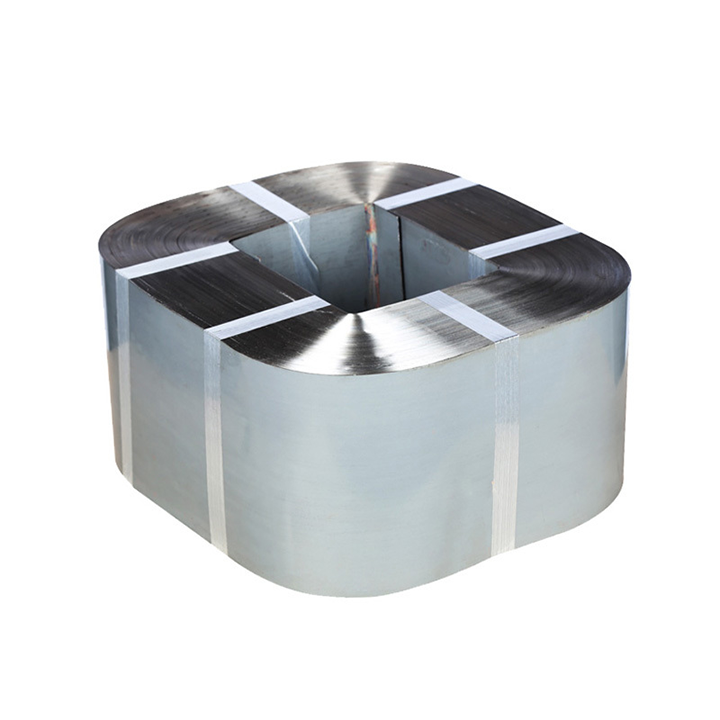
When Transformer Issues Reveal Manufacturing Weak Points
In many transformer projects, everything appears correct at the design stage. Material specifications are defined, drawings are approved, and initial samples pass testing.
But once production scales—or when equipment begins operating under real load—unexpected issues start to appear.
You might hear feedback like:
- “The temperature rise is higher than expected.”
- “Noise increased after installation.”
- “Efficiency dropped compared to sample testing.”
- “Batch performance is inconsistent.”
At that point, the problem is no longer theoretical. It becomes clear that the issue lies not in the design itself, but in how the core was actually manufactured.
A reliable transformer core manufacturer understands that small variations—whether in stamping precision, lamination alignment, or material consistency—can significantly affect performance.
At Shumyi, we focus on controlling these variables through stable material sourcing, precision processing, and standardized production workflows, ensuring that what works in testing continues to perform in real-world conditions.
What Defines a Reliable Transformer Core Manufacturer
Choosing a transformer core supplier is not just about product specifications. It is about understanding how manufacturing capability affects the final performance.
Material Quality and Stability
Electrical steel is the foundation of every transformer core.
Typical parameters include:
- Core loss: 1.2–1.6 W/kg
- Thickness range: 0.23–0.35 mm
- Stable magnetic permeability under load
Even minor variations in material quality can result in efficiency differences of 3–8%.
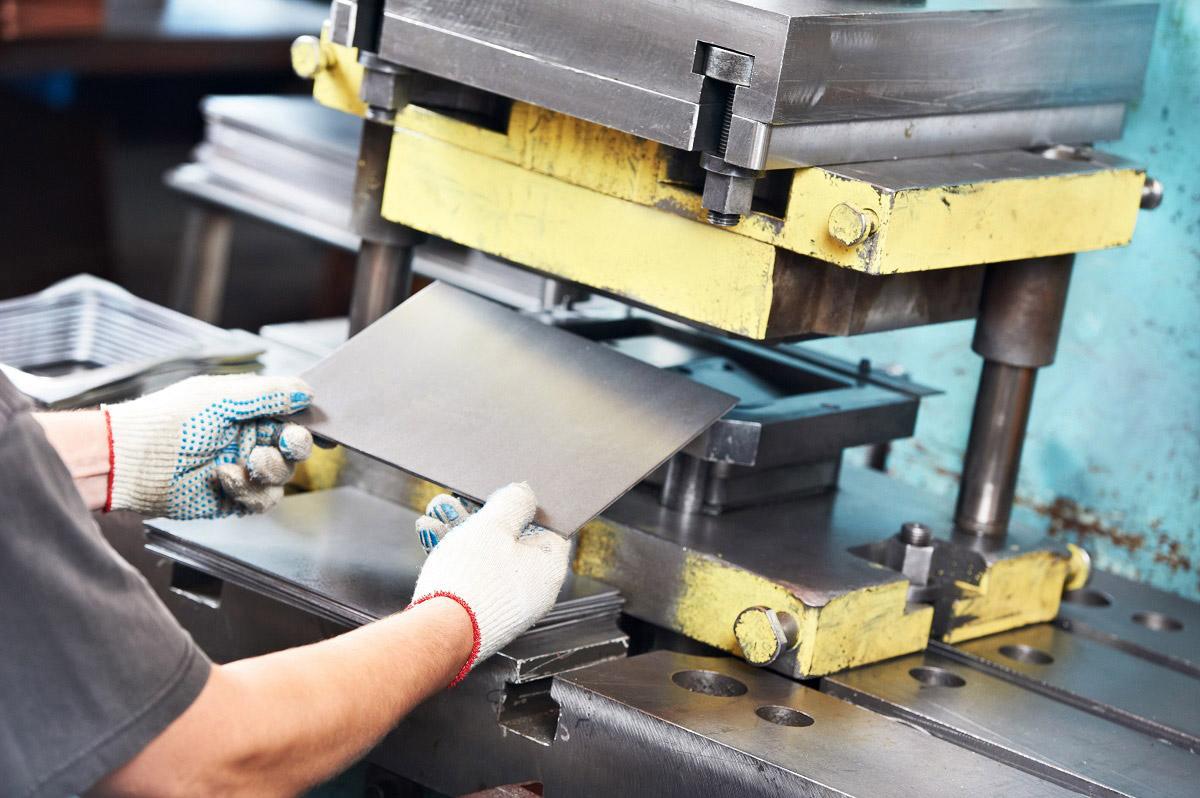
Stamping and Cutting Precision
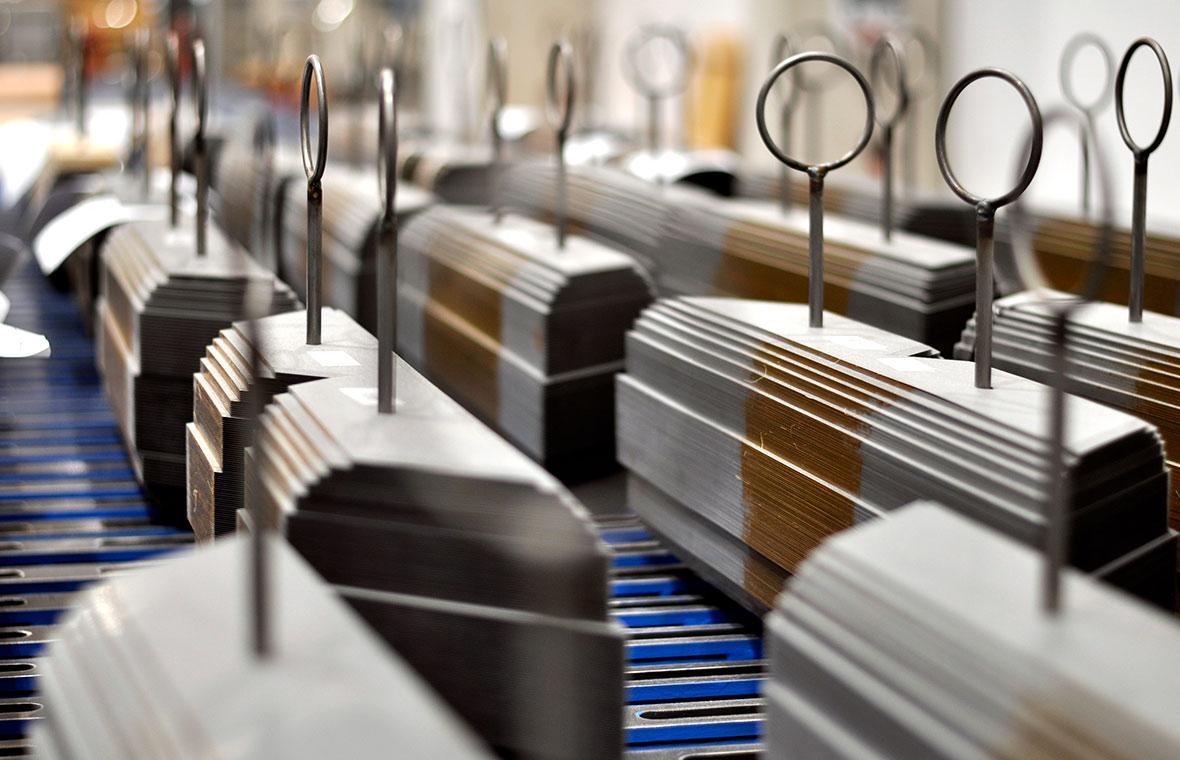
Manufacturing precision determines how effectively the magnetic field flows through the core.
Typical benchmarks:
- Burr height: ≤0.02 mm
- Dimensional tolerance: ±0.02 mm
Higher burr levels increase energy loss and heat generation, especially in continuous operation.
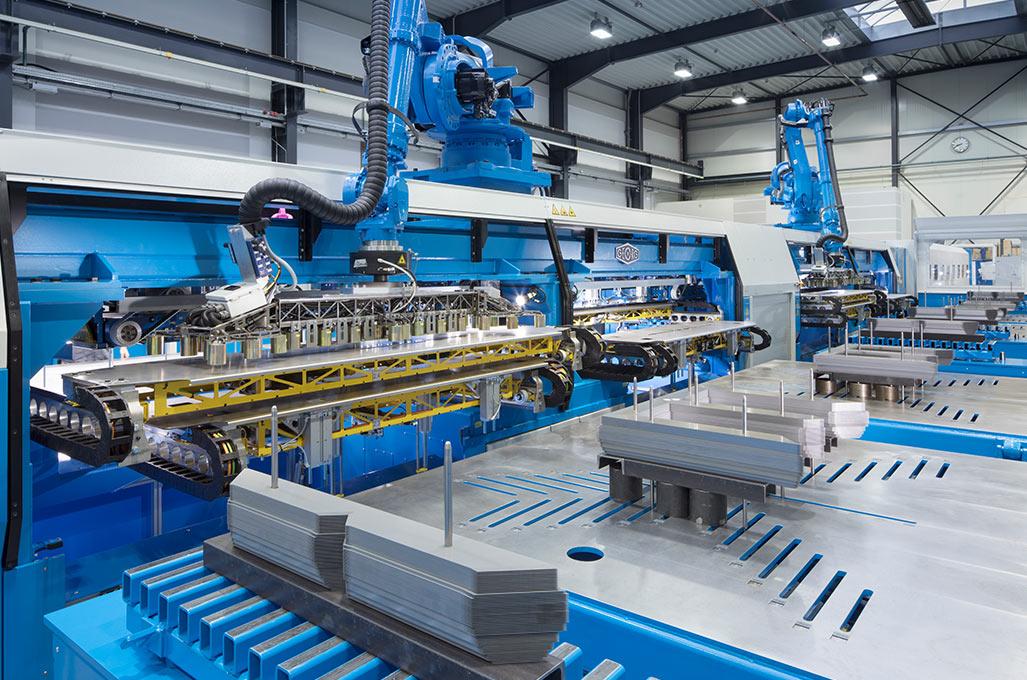
Lamination Stacking Control
Stacking consistency ensures stable magnetic performance.
Key factors include:
- Uniform pressure across laminations
- Precise alignment
- Controlled stacking height
Poor stacking can lead to noise, vibration, and reduced efficiency.
Batch Consistency
A capable transformer core manufacturer must ensure that performance remains consistent across large production volumes.
Without proper control:
- Core loss variation may reach ±5–10%
- Dimensional differences affect assembly
- Defect rates increase in large orders
Consistency is what ensures reliability at scale.
Performance Comparison: Inconsistent vs Controlled Manufacturing
| Parameter | Inconsistent Production | Controlled Manufacturing |
|---|---|---|
| Core Loss | 1.5–1.8 W/kg | 1.2–1.4 W/kg |
| Efficiency | Variable | +5–10% improvement |
| Noise Level | Higher | Reduced by 15–25% |
| Heat Generation | Higher | Lower |
| Batch Stability | Unstable | Consistent |
| Failure Risk | Higher | Reduced |
For industrial buyers, these differences directly impact energy consumption, product quality, and long-term operational costs.
How Manufacturing Adjustments Align with Real Operating Conditions
A professional manufacturer does not simply follow drawings. Production parameters must be adjusted based on actual operating environments.
Long-Duration Load Systems
Typical applications: industrial transformers, power distribution
Challenges:
- Continuous operation
- Thermal accumulation
Engineering adjustments:
- Low-loss material selection (≤1.3 W/kg)
- Improved insulation coating
- Stable stacking structure
Result:
- Temperature reduction: ~8–12°C
- Improved operational stability
Variable Load and Energy Systems
Typical applications: renewable energy systems, control equipment
Challenges:
- Load fluctuations
- efficiency stability requirements
Engineering adjustments:
- thinner laminations (0.23–0.27 mm)
- improved magnetic continuity
Result:
- efficiency stability improved by ~4–6%
- reduced energy fluctuation
Compact and Noise-Sensitive Installations
Typical applications: indoor electrical systems, commercial equipment
Challenges:
- vibration noise
- space constraints
Engineering adjustments:
- optimized core structure
- improved alignment accuracy
Result:
- noise reduction: ~15–25%
- improved installation adaptability
Safety, Quality Control, and Industry Compliance
When evaluating a transformer core manufacturer, safety and compliance should not be overlooked.
Quality Control System
Typical inspection processes include:
- raw material inspection
- stamping precision checks
- core loss testing
- dimensional verification
Safety Considerations
Reliable transformer cores must ensure:
- electrical insulation stability
- resistance to thermal stress
- structural integrity during operation
Certifications
Most professional manufacturers comply with:
- ISO 9001 – quality management
- RoHS – environmental compliance
- CE – applicable equipment standards
These certifications ensure compatibility with global industrial markets.
Why Manufacturing Capability Determines Total Cost
The real cost of a transformer core is not defined at purchase—it is defined during operation.
A capable transformer core manufacturer can:
- reduce long-term energy consumption
- minimize maintenance requirements
- ensure stable performance across batches
Even a 5% improvement in efficiency can translate into significant cost savings over time, especially in industrial-scale applications.
Choosing the Right Transformer Core Manufacturer for Long-Term Supply
Selecting a manufacturing partner means choosing long-term stability, not just a supplier.
At Shumyi, we combine precision manufacturing, stable material sourcing, and application-focused engineering to deliver transformer cores with consistent performance and reliable production capacity. Our approach ensures that each project meets both technical requirements and real operating conditions.
If you want to explore available core types and configurations, you can review our product range here:
👉 https://www.shumyipx.com/products
For technical discussions, customization support, or quotation requests, you can contact our team directly:
👉 https://www.shumyipx.com/contact-us
Working with a manufacturer that understands both production and application ensures stable performance, reduced risk, and long-term operational reliability.