English





Why Transformer Projects Often Require a Step Lap Core Supplier
In many transformer manufacturing projects, standard laminated core structures may meet basic design requirements but fail to achieve optimal performance in real operating conditions. Engineers frequently encounter problems such as higher magnetic loss, increased vibration noise, or unstable efficiency under continuous load.
Typical issues include:
-
Magnetic flux leakage at core joints
-
Audible vibration caused by magnetic discontinuity
-
Increased core loss during long-term operation
-
Efficiency variation between prototype and production batches
These problems are often linked to traditional core stacking methods rather than transformer design itself.
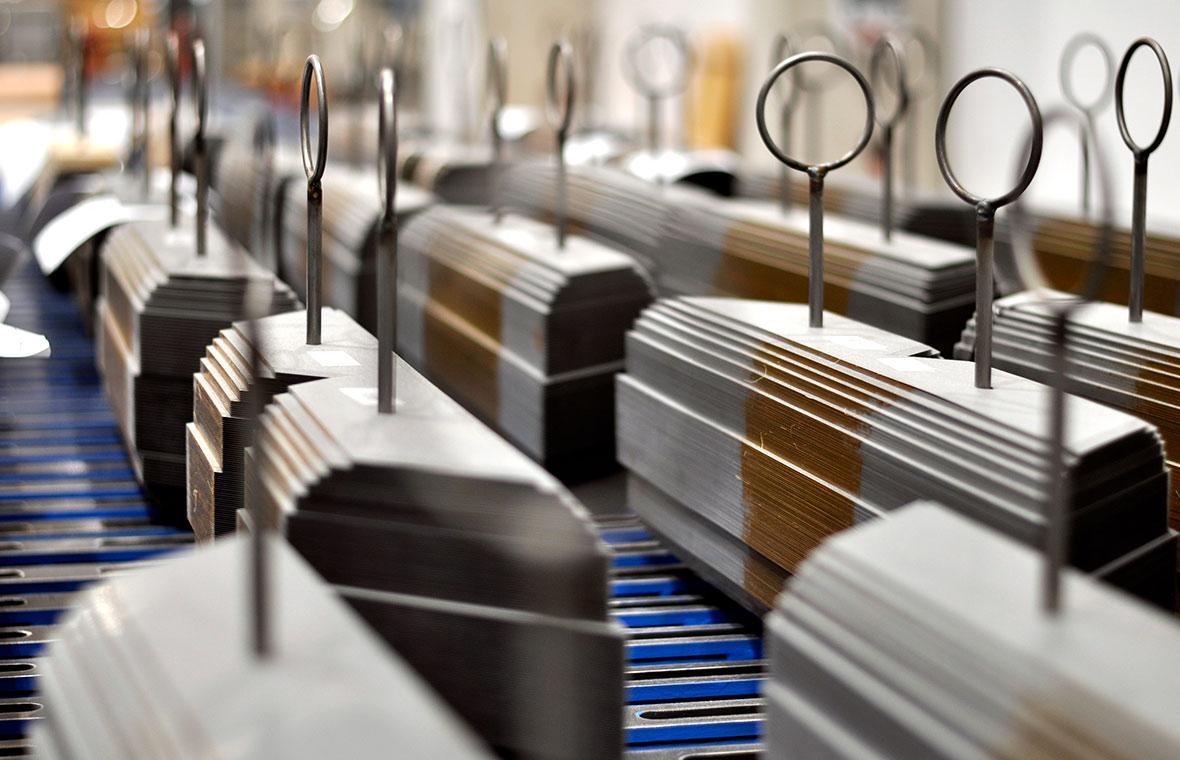
At Shumyi, we address these challenges by applying controlled step-lap stacking processes combined with high-quality silicon steel materials. This manufacturing approach improves magnetic flux continuity and significantly reduces vibration and energy loss during operation.
Key Design Factors That Affect Step Lap Core Performance
The performance of step lap transformer cores depends on several technical parameters. A professional step lap core supplier must control these factors carefully to ensure stable results.
Electrical Steel Material
Step lap cores are usually manufactured using high-grade grain-oriented silicon steel.
Typical magnetic properties include:
-
Core loss range: 1.2–1.5 W/kg
-
High magnetic permeability
-
Stable magnetic flux distribution
Material consistency is essential for maintaining transformer efficiency.
Step Lap Joint Structure
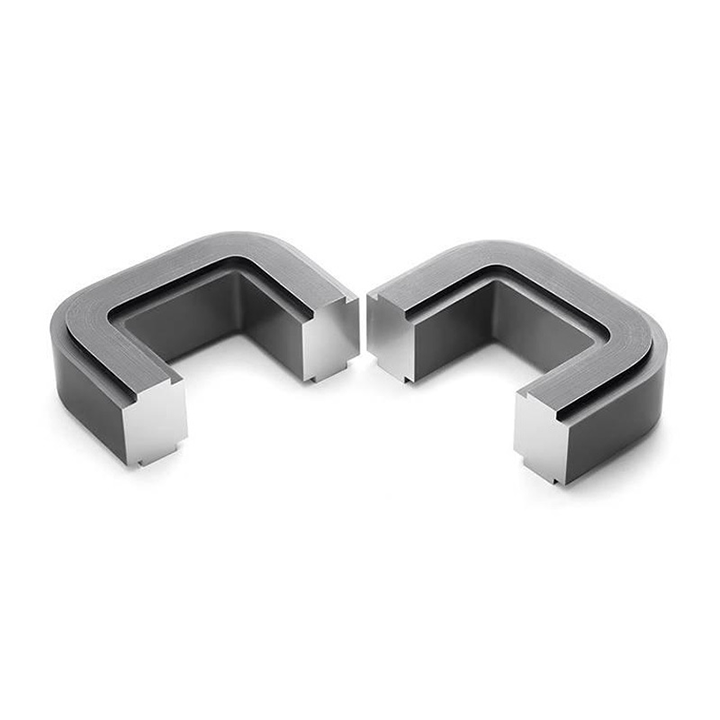
The step-lap design shifts the joint position between laminations, creating a more continuous magnetic path.
Advantages include:
-
Reduced magnetic flux leakage
-
Lower vibration levels
-
Improved magnetic continuity
Compared with conventional joints, this design significantly improves transformer stability.
Lamination Thickness
Typical lamination thickness options include:
-
0.35 mm – general transformer applications
-
0.27 mm – improved efficiency designs
-
0.23 mm – high-performance systems
Thinner laminations reduce eddy current losses and improve magnetic performance.
Stamping and Cutting Accuracy
Precision cutting directly affects joint quality and magnetic performance.
Typical manufacturing tolerances:
-
Burr height: ≤0.02 mm
-
Dimensional tolerance: ±0.02 mm
Higher precision improves stacking consistency and reduces loss.
Performance Comparison: Standard Core vs Step Lap Core Design
| Parameter | Conventional Core | Step Lap Core |
|---|---|---|
| Core Loss | 1.5–1.8 W/kg | 1.2–1.5 W/kg |
| Magnetic Flux Continuity | Moderate | Improved |
| Noise Level | Higher | Reduced by 15–25% |
| Heat Generation | Moderate | Lower |
| Efficiency Stability | Variable | More stable |
| Lifespan | Standard | Extended operational reliability |
Because of these advantages, step-lap core structures are widely used in medium and large transformers.
How Step Lap Core Designs Adapt to Different Operating Conditions
A reliable step lap core supplier must consider the actual operating environment when designing transformer cores.
High-Capacity Power Transformers
Typical environment:
-
Power distribution systems
-
Industrial electrical networks
Challenges:
-
High load operation
-
Continuous energy transfer
Engineering adjustments include:
-
Optimized step-lap overlap length
-
Low-loss silicon steel selection
-
Reinforced mechanical assembly
Result:
-
Improved magnetic efficiency
-
Reduced heat generation
Renewable Energy Systems
Typical environment:
-
Solar inverter transformers
-
energy storage systems
Challenges:
-
Variable load conditions
-
frequent power fluctuations
Engineering solutions include:
-
enhanced magnetic flux control
-
improved lamination stacking precision
Result:
-
better stability during load variation
-
improved system reliability
Noise-Sensitive Installations
Typical environment:
-
commercial buildings
-
indoor electrical equipment
Challenges:
-
vibration noise affecting indoor comfort
Engineering solutions include:
-
optimized joint distribution
-
improved structural alignment
Result:
-
reduced vibration and acoustic noise
Safety, Quality Control, and Industry Standards
For industrial buyers, selecting a reliable step lap core supplier requires evaluating safety and quality assurance capabilities.
Quality Control Procedures
Typical inspection stages include:
-
raw material verification
-
lamination cutting inspection
-
core loss measurement
-
dimensional tolerance testing
Safety Considerations
Reliable transformer cores must provide:
-
stable insulation protection
-
controlled thermal performance
-
structural durability under mechanical stress
These factors ensure safe operation in power equipment.
Industry Certifications
Many transformer core manufacturers comply with international standards such as:
-
ISO 9001 – quality management system
-
RoHS – environmental material compliance
-
CE – applicable electrical equipment standards
These certifications support product acceptance in global markets.
Why Manufacturing Capability Matters When Selecting a Supplier
Transformer core performance depends heavily on manufacturing execution rather than design specifications alone.
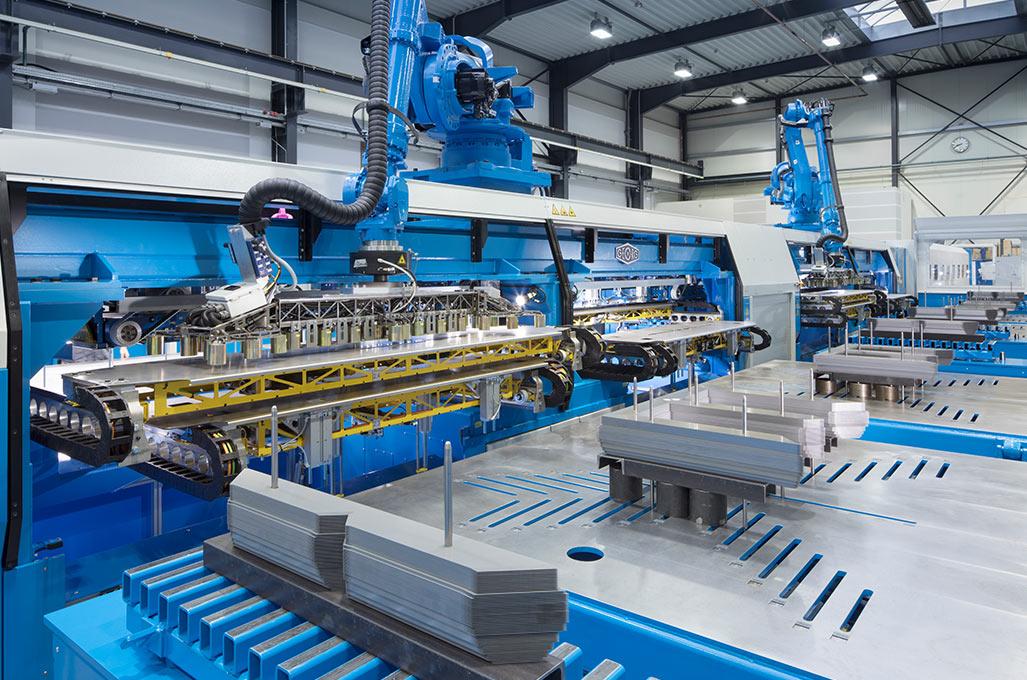
Factories with advanced cutting equipment, stable silicon steel sourcing, and precise stacking processes can maintain consistent tolerances across large production batches. This stability ensures predictable magnetic performance and reduces production risks for equipment manufacturers.
For industrial buyers, a supplier capable of delivering consistent quality and reliable production capacity often provides greater long-term value than a supplier chosen solely based on price.
Choosing the Right Step Lap Core Supplier for Stable Transformer Production
Selecting the right step lap core supplier is essential for ensuring stable transformer performance and reliable production supply.
At Shumyi, we combine high-quality silicon steel materials with controlled manufacturing processes to produce transformer cores that deliver stable magnetic performance and consistent production quality. Our engineering-focused approach allows us to support both standard and customized transformer core projects across a wide range of industrial applications.
If you would like to explore available transformer core products and technical configurations, you can review our product range here:
👉 https://www.shumyipx.com/products
For project discussions, customization requirements, or quotation requests, you can contact our team directly:
👉 https://www.shumyipx.com/contact-us
Working with an experienced transformer core manufacturer helps ensure reliable supply, stable performance, and long-term operational confidence.