English





When Core Performance Differences Cannot Be Explained by Design
In many projects, engineers assume that once material specifications are defined—thickness, grade, and core loss—the performance outcome is predictable.
But in real production environments, the same design can produce different results.
You may see:
- identical transformer designs showing different temperature rise
- motors with the same structure delivering different efficiency levels
- core loss values shifting between production batches
When this happens, the root cause often lies in the material itself—and how it was processed before it reached the production line.
A reliable electrical steel supplier does more than deliver material within specification. It ensures that magnetic properties remain stable through cutting, stamping, and long-term operation.
At Shumyi, we treat electrical steel not as a commodity, but as a performance-defining component that must be matched to both application and processing conditions.
Electrical Steel Grades and Their Functional Differences
The first critical decision is selecting the correct type of electrical steel. Each grade is designed for a specific magnetic behavior.
CRGO (Grain-Oriented Electrical Steel)
Typical use: power transformers
Key characteristics:
- Core loss: 1.2–1.4 W/kg
- High magnetic permeability along rolling direction
- Low magnetization energy requirement
Application impact:
- ideal for directional magnetic flux
- improves transformer efficiency by 5–10% compared to non-oriented materials
CRNGO (Non-Oriented Electrical Steel)
Typical use: motors, rotating equipment
Key characteristics:
- Core loss: 1.3–1.7 W/kg
- uniform magnetic properties in all directions
- suitable for rotating magnetic fields
Application impact:
- ensures stable performance in dynamic systems
- reduces torque fluctuation and vibration
Thickness Selection and Its Impact on Core Loss
Thickness is not just a dimensional parameter—it directly affects eddy current loss.
Common Thickness Options
| Thickness | Typical Use | Performance Impact |
|---|---|---|
| 0.35 mm | Standard industrial applications | Higher loss, stronger structure |
| 0.27 mm | Mid-range efficiency systems | Balanced performance |
| 0.23 mm | High-efficiency applications | Lower loss, higher precision required |
Practical Impact
- Reducing thickness from 0.35 mm to 0.23 mm can lower eddy current loss by 10–20%
- However, thinner materials require tighter stamping control and higher tooling precision
This is where supplier capability becomes critical.
Processing Routes: Why Material Behavior Changes After Stamping
Electrical steel performance is not fixed—it changes during processing.
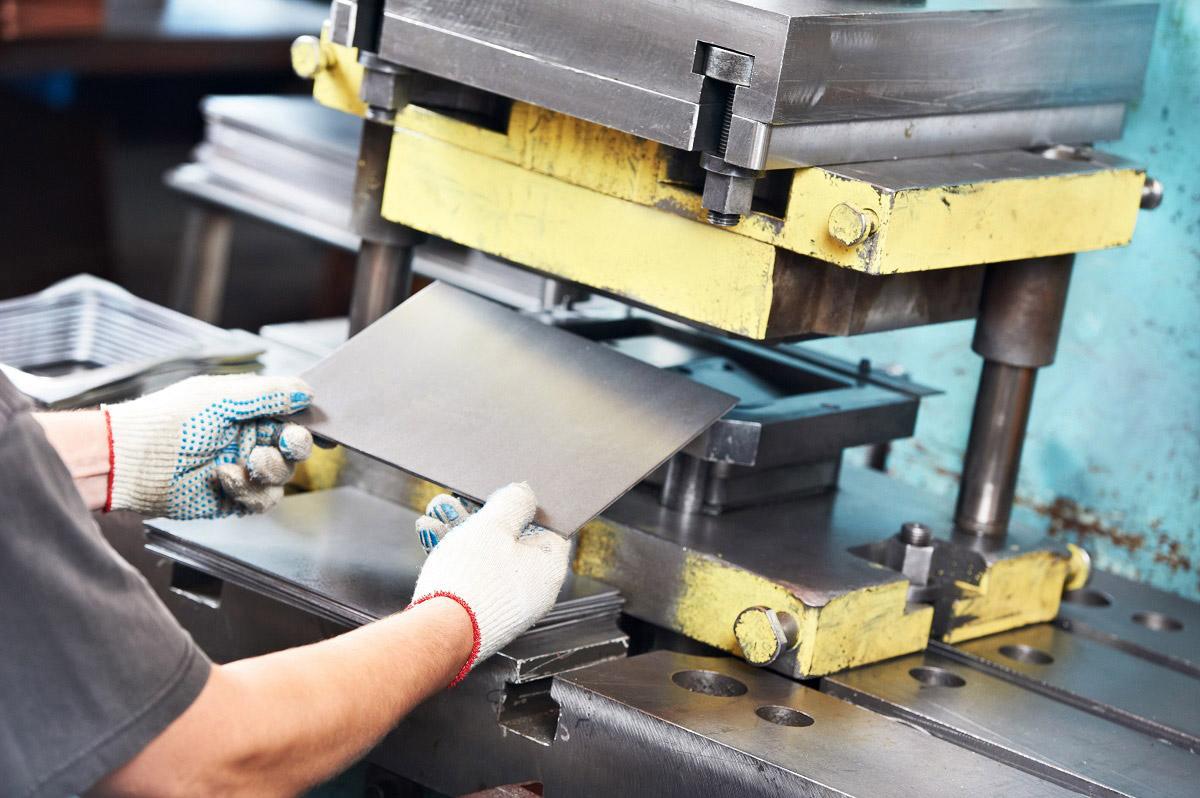
Mechanical Stress from Stamping
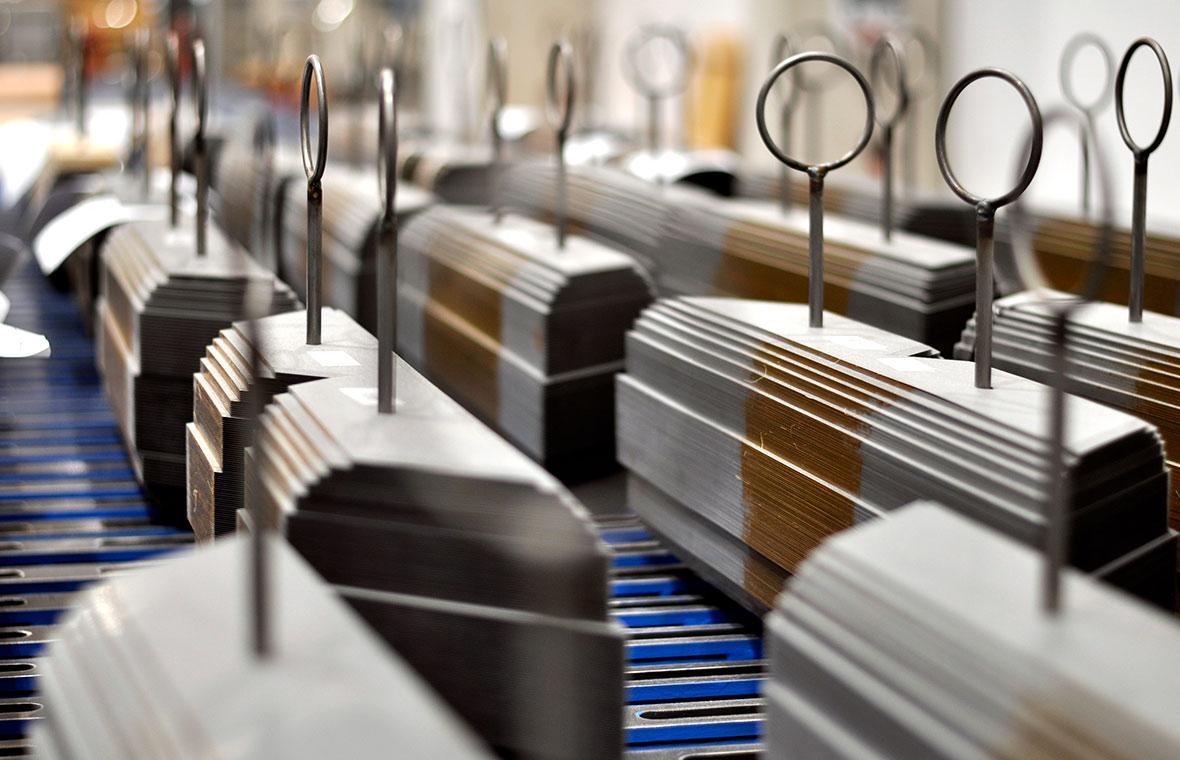
During cutting and stamping:
- internal stress increases
- magnetic domain structure is disturbed
Impact:
- core loss may increase by 5–8% if stress is not controlled
Burr and Edge Condition
Poor edge quality leads to:
- increased local magnetic resistance
- higher eddy current loss
Typical comparison:
- burr ≤0.02 mm → stable performance
- burr ≥0.05 mm → measurable efficiency drop
Annealing and Stress Relief
Some processing routes include annealing to restore magnetic properties.
Effect:
- reduces internal stress
- improves permeability
- stabilizes core loss
This step is often overlooked but critical in high-performance applications.
Material and Processing Comparison
| Factor | Standard Supply | Controlled Supply |
|---|---|---|
| Core Loss Stability | ±8–10% variation | ±3–5% variation |
| Thickness Control | ±0.008 mm | ±0.003 mm |
| Magnetic Consistency | Moderate | High |
| Processing Stress Impact | Uncontrolled | Managed |
| Efficiency Impact | Variable | Stable |
For industrial buyers, these differences directly affect both production yield and product performance.
Matching Electrical Steel to Real Industrial Applications
Selecting material without considering application leads to inefficiency.
Power Transformers
Requirements:
- directional magnetic flux
- low core loss
Material choice:
- CRGO with ≤1.3 W/kg
Result:
- improved efficiency
- reduced energy loss
Electric Motors
Requirements:
- rotating magnetic field
- stable torque output
Material choice:
- CRNGO with stable permeability
Result:
- reduced vibration
- improved operational stability
High-Efficiency Energy Systems
Requirements:
- low loss under variable load
- thermal control
Material choice:
- thin laminations (0.23–0.27 mm)
- high-grade electrical steel
Result:
- efficiency improvement of 4–6%
- reduced heat generation
Safety, Compliance, and Material Reliability
Material selection must also meet safety and regulatory requirements.
Quality Control
A professional electrical steel supplier typically ensures:
- chemical composition verification
- core loss testing per batch
- coating inspection
Safety Considerations
Reliable material must provide:
- stable insulation coating
- resistance to thermal cycling
- consistent mechanical strength
Certifications
Common standards include:
- ISO 9001 – quality management
- RoHS – environmental compliance
- CE – applicable standards
These ensure suitability for international markets.
Why Material Selection Is a Technical Decision, Not a Purchasing One
Choosing electrical steel is not simply a procurement task—it is an engineering decision.
A capable electrical steel supplier helps:
- match material to application
- control performance variation
- reduce long-term operational cost
Even small improvements in material stability can translate into measurable gains in efficiency and reliability.
Working with an Electrical Steel Supplier That Understands Application
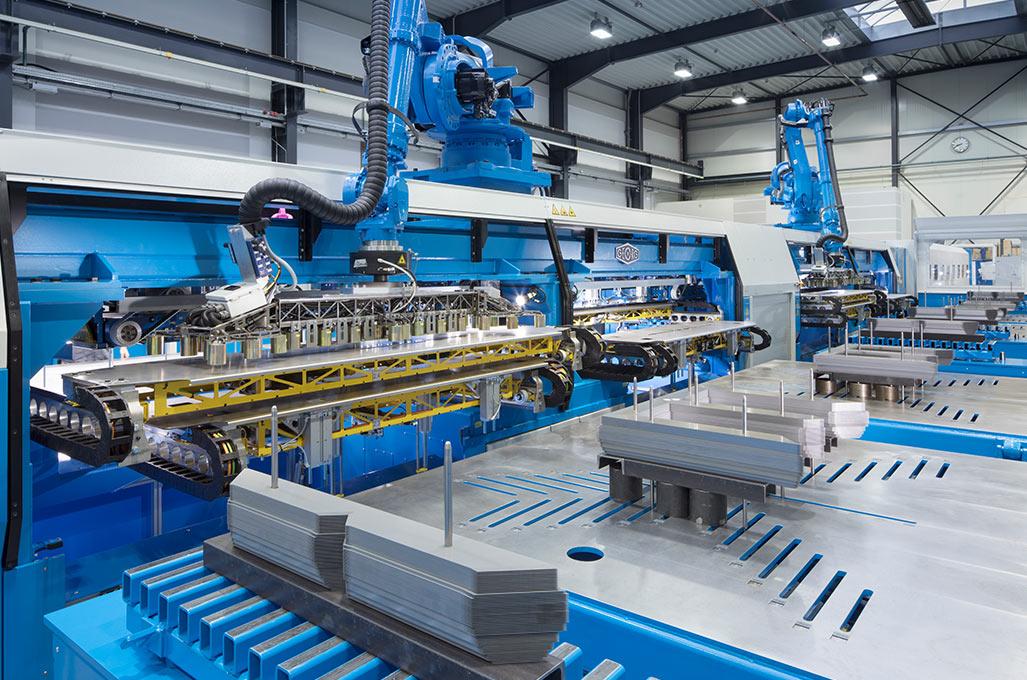
At Shumyi, we combine stable material sourcing with controlled processing to ensure that electrical steel performs consistently across different applications. Our approach focuses on matching material characteristics to real production conditions, helping customers achieve predictable performance in both transformer and motor core manufacturing.
If you want to explore how different electrical steel materials are applied in real products, you can review our solutions here:
👉 https://www.shumyipx.com/products
For material selection support, technical discussion, or quotation requests, you can contact our team directly:
👉 https://www.shumyipx.com/contact-us
Working with a supplier that understands both material science and manufacturing processes ensures stable performance, reduced risk, and long-term reliability.