English




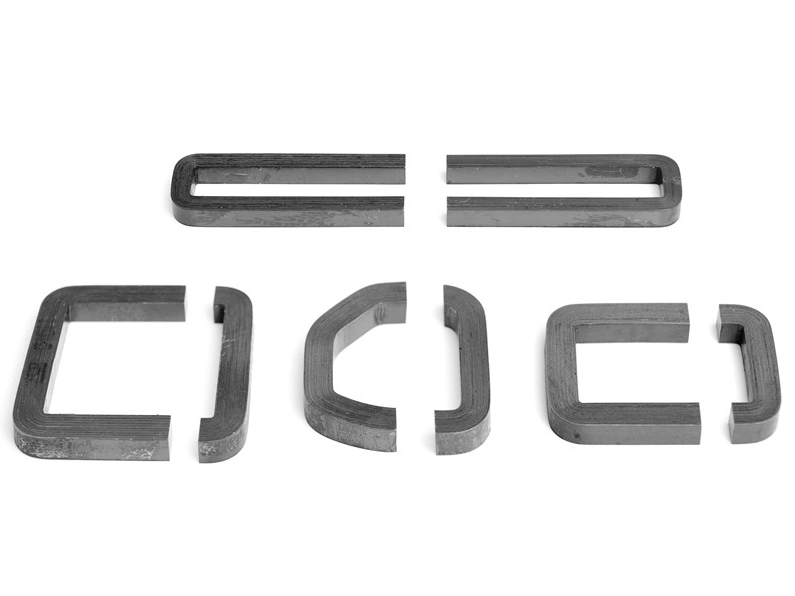
When Production Problems Point Back to the Core Manufacturer
Most buyers don’t question their silicon steel core manufacturer at the beginning of a project. The samples look fine, specifications match, and initial tests pass.
But once production scales—or worse, once equipment starts running in real environments—problems begin to show up.
You start hearing it from the field:
-
“The transformer is running hotter than expected.”
-
“Noise levels are higher than the prototype.”
-
“Efficiency dropped after batch production.”
-
“Performance isn’t consistent between shipments.”
At that point, the issue is no longer about design. It becomes clear that manufacturing consistency—especially in materials, stamping precision, and stacking—was not controlled tightly enough.
At Shumyi, we’ve seen this pattern repeatedly. The difference between a stable system and a problematic one often comes down to how well the manufacturer controls the small details: burr height, lamination alignment, and material consistency. These are not visible in drawings, but they define real performance.
What Defines a Reliable Silicon Steel Core Manufacturer
A professional silicon steel core manufacturer is not just a supplier of components—it is a controller of magnetic performance at scale. Several technical factors determine whether the final product will perform as expected.
Material Stability and Selection
Electrical steel is the foundation of every core.
Typical material parameters:
-
Core loss: 1.2–1.6 W/kg
-
Magnetic permeability: stable under continuous load
-
Thickness range: 0.23–0.35 mm
Small variations in material quality can shift efficiency by 3–8%, especially in energy-intensive applications.
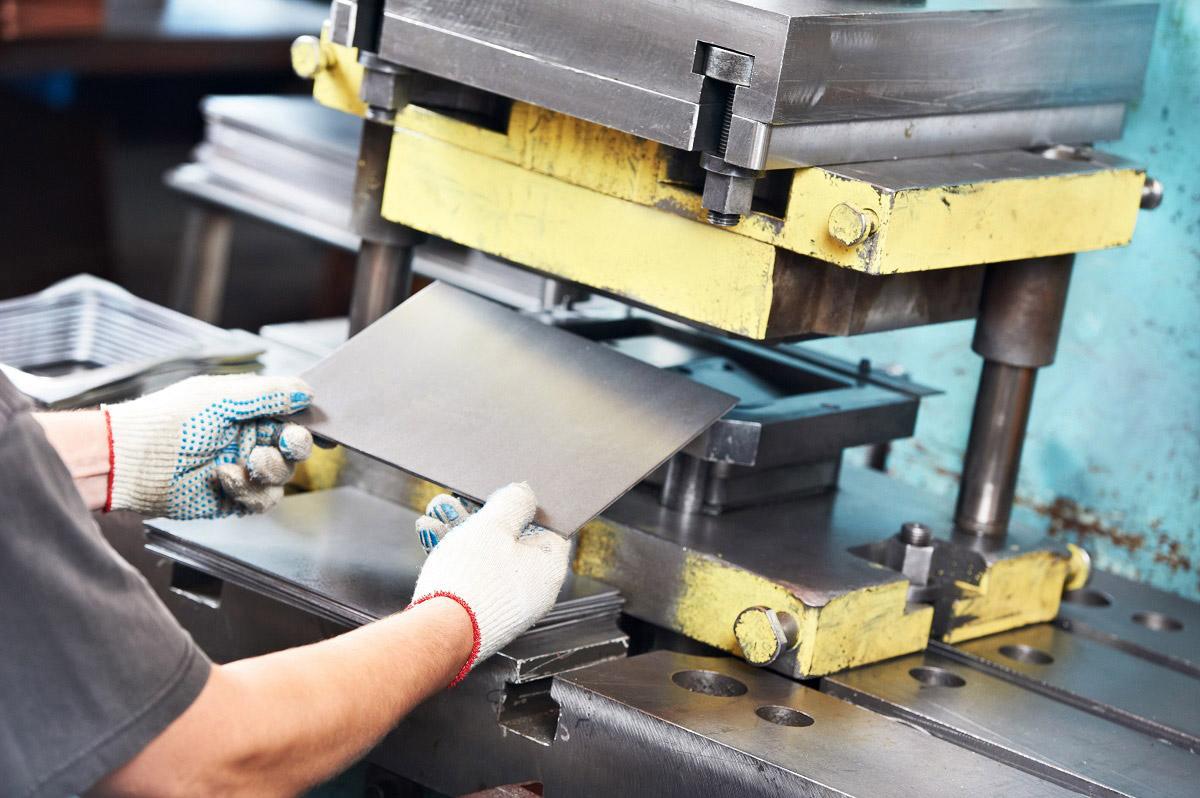
Stamping Precision
Stamping determines how clean and continuous the magnetic path will be.
Typical manufacturing benchmarks:
-
Burr height: ≤0.02 mm
-
Dimensional tolerance: ±0.02 mm
Higher burr levels increase eddy current loss and heat generation, especially under continuous load.
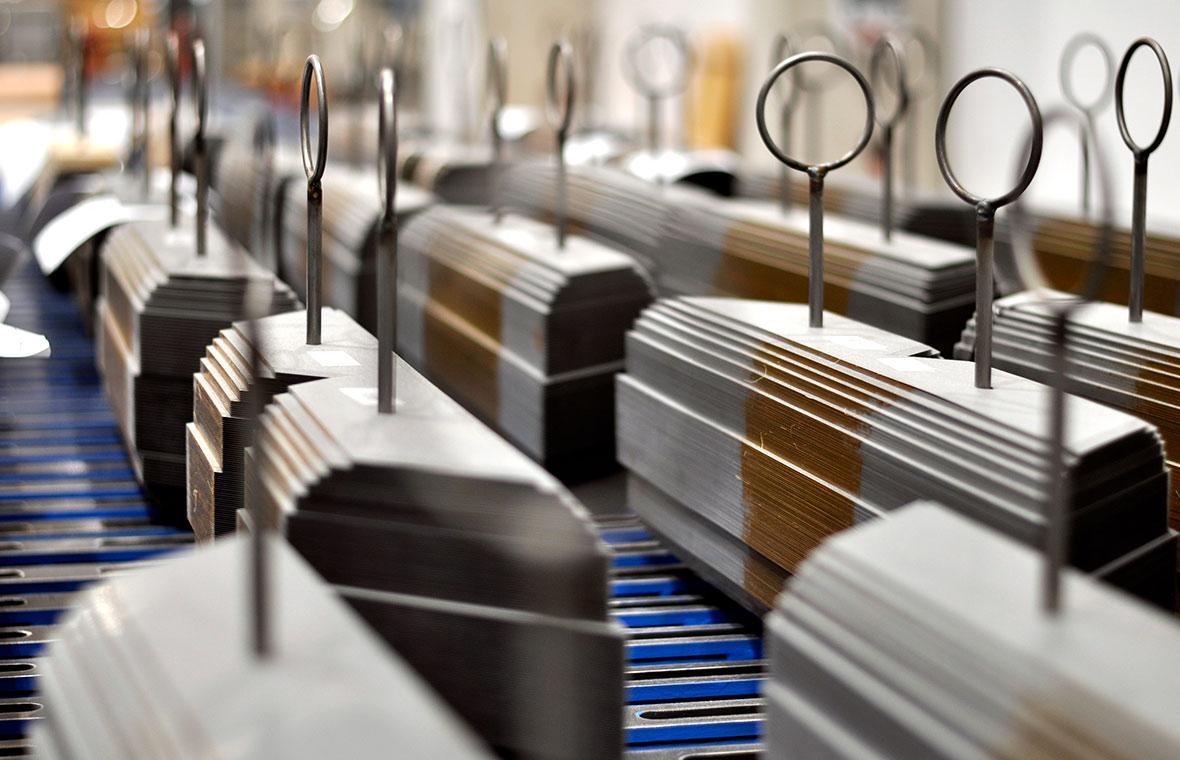
Lamination Stacking Control
Even with high-quality materials, poor stacking can disrupt performance.
Critical control points:
-
Uniform pressure distribution
-
Consistent stacking height
-
Accurate alignment of laminations
These factors directly affect noise, efficiency, and long-term stability.
Process Consistency Across Batches
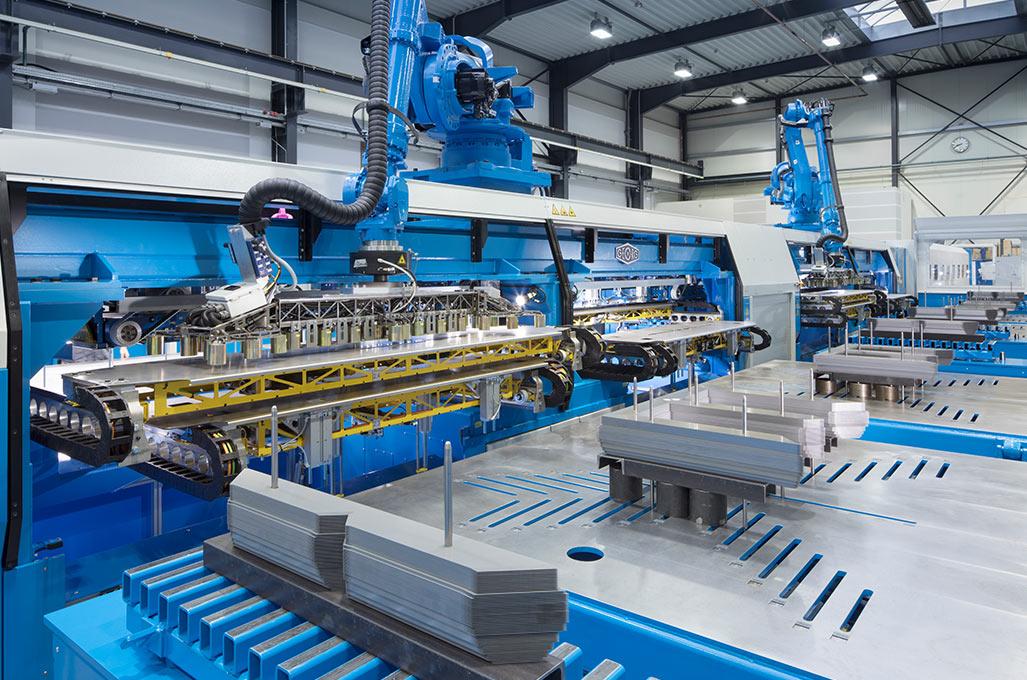
A reliable silicon steel core manufacturer must deliver not only good samples but consistent mass production.
Typical risk without control:
-
±5–10% variation in core loss
-
Dimensional inconsistency affecting assembly
-
Increased defect rate in large orders
Consistency is what separates engineering success from production failure.
Performance Comparison: Uncontrolled vs Controlled Manufacturing
| Parameter | Uncontrolled Production | Controlled Manufacturing |
|---|---|---|
| Core Loss | 1.5–1.8 W/kg | 1.2–1.4 W/kg |
| Efficiency | Variable | +5–10% improvement |
| Noise Level | Higher | Reduced by 15–25% |
| Heat Generation | Higher | Lower |
| Batch Consistency | Unstable | Stable |
| Failure Risk | Higher | Reduced |
For most industrial buyers, these differences are not theoretical—they directly affect product quality, energy consumption, and customer satisfaction.
How Manufacturing Adjustments Respond to Real Operating Conditions
A capable manufacturer does not simply produce according to drawings. Instead, production parameters are adjusted based on how the core will actually be used.
Continuous Load and High-Temperature Systems
In industrial transformers or energy systems, cores operate for long periods under load.
Key adjustments:
-
Lower core loss material (≤1.3 W/kg)
-
Improved insulation coating for thermal resistance
-
Stable stacking to prevent deformation
Result:
-
Temperature reduction: ~8–12°C
-
Improved long-term stability
Variable Load and Dynamic Systems
Applications such as automation equipment or energy control systems introduce frequent load changes.
Key adjustments:
-
Thinner laminations (0.23–0.27 mm)
-
Improved stamping precision
-
Enhanced magnetic path continuity
Result:
-
Reduced energy fluctuation
-
Efficiency stability improved by ~4–6%
Noise-Sensitive Environments
In indoor or commercial applications, noise becomes a key concern.
Key adjustments:
-
Step-lap or optimized joint design
-
Improved lamination alignment
-
Controlled assembly pressure
Result:
-
Noise reduction: ~15–25%
-
Better suitability for indoor use
Safety, Quality Control, and Compliance Standards
For industrial buyers, selecting a silicon steel core manufacturer also requires evaluating safety and compliance systems.
Quality Control System
Typical control process includes:
-
Raw material verification
-
In-process stamping inspection
-
Core loss testing
-
Final dimensional inspection
Safety Considerations
Reliable cores must ensure:
-
Electrical insulation stability
-
Thermal resistance under continuous operation
-
Structural integrity during transport and installation
Certifications
Most professional manufacturers comply with:
-
ISO 9001 – quality management system
-
RoHS – environmental compliance
-
CE – applicable electrical standards
These certifications are essential for global market acceptance.
Why the Right Manufacturer Impacts Total Cost, Not Just Unit Price
When evaluating suppliers, many buyers focus on price per unit. But in reality, the cost impact of a core is determined over its entire lifecycle.
A more capable silicon steel core manufacturer can:
-
Reduce energy loss over years of operation
-
Lower maintenance and replacement costs
-
Ensure consistent product performance across batches
Even a 5% improvement in efficiency can result in significant energy savings over time, especially in industrial-scale applications.
Choosing the Right Silicon Steel Core Manufacturer for Long-Term Supply
Selecting the right manufacturing partner is about ensuring stability—not just completing a purchase.
At Shumyi, we focus on controlled production processes, stable material sourcing, and precision manufacturing to deliver consistent core performance across all production volumes. Our engineering-driven approach allows us to adjust production based on real application requirements, ensuring that each project achieves both performance and reliability targets.
If you want to explore available core types and product configurations, you can review our product range here:
👉 https://www.shumyipx.com/products
For technical discussions, customization support, or quotation requests, you can contact our team directly:
👉 https://www.shumyipx.com/contact-us
Working with a manufacturer that understands both production and application ensures stable performance, reduced risk, and long-term operational confidence.