English





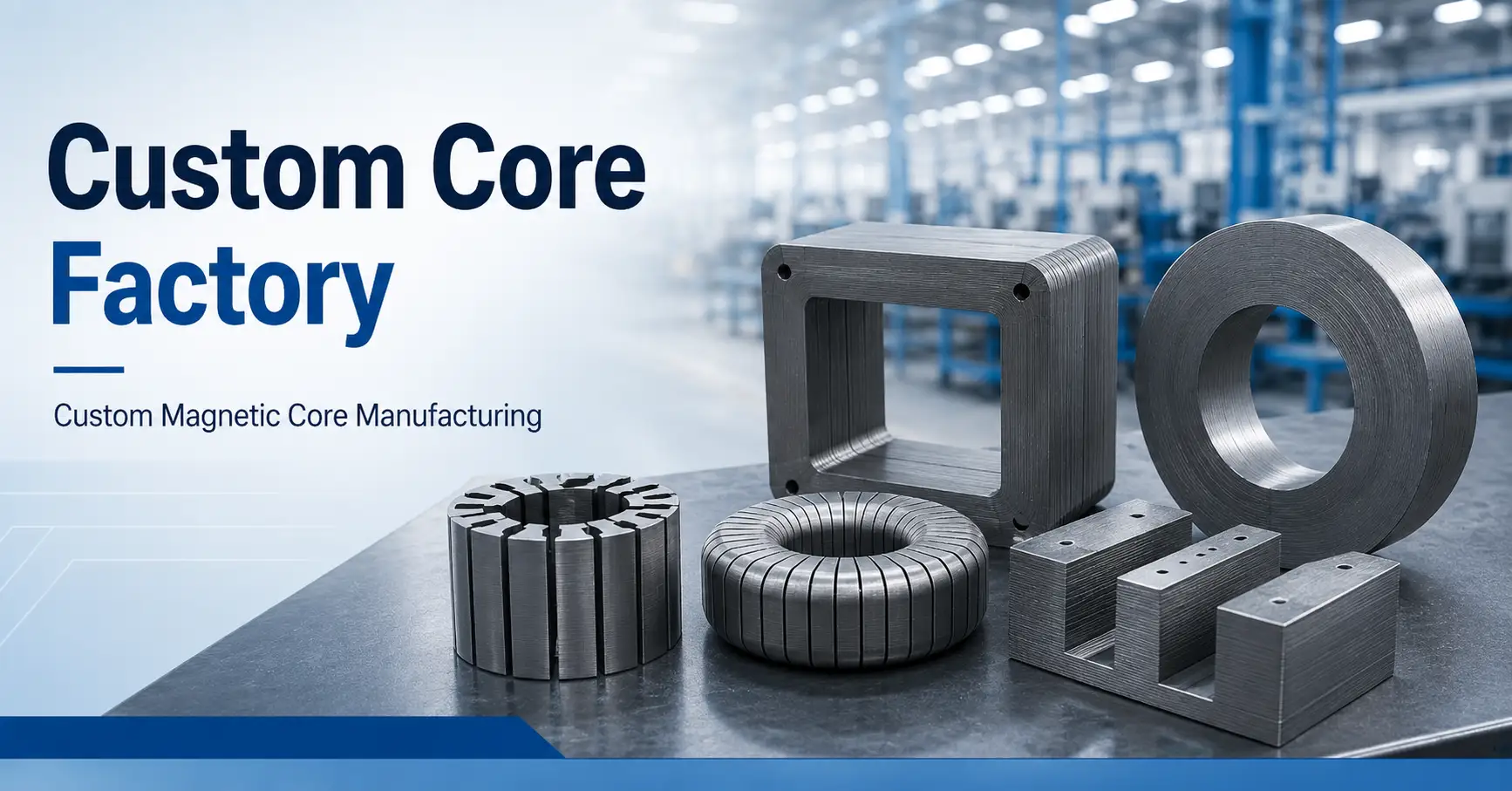
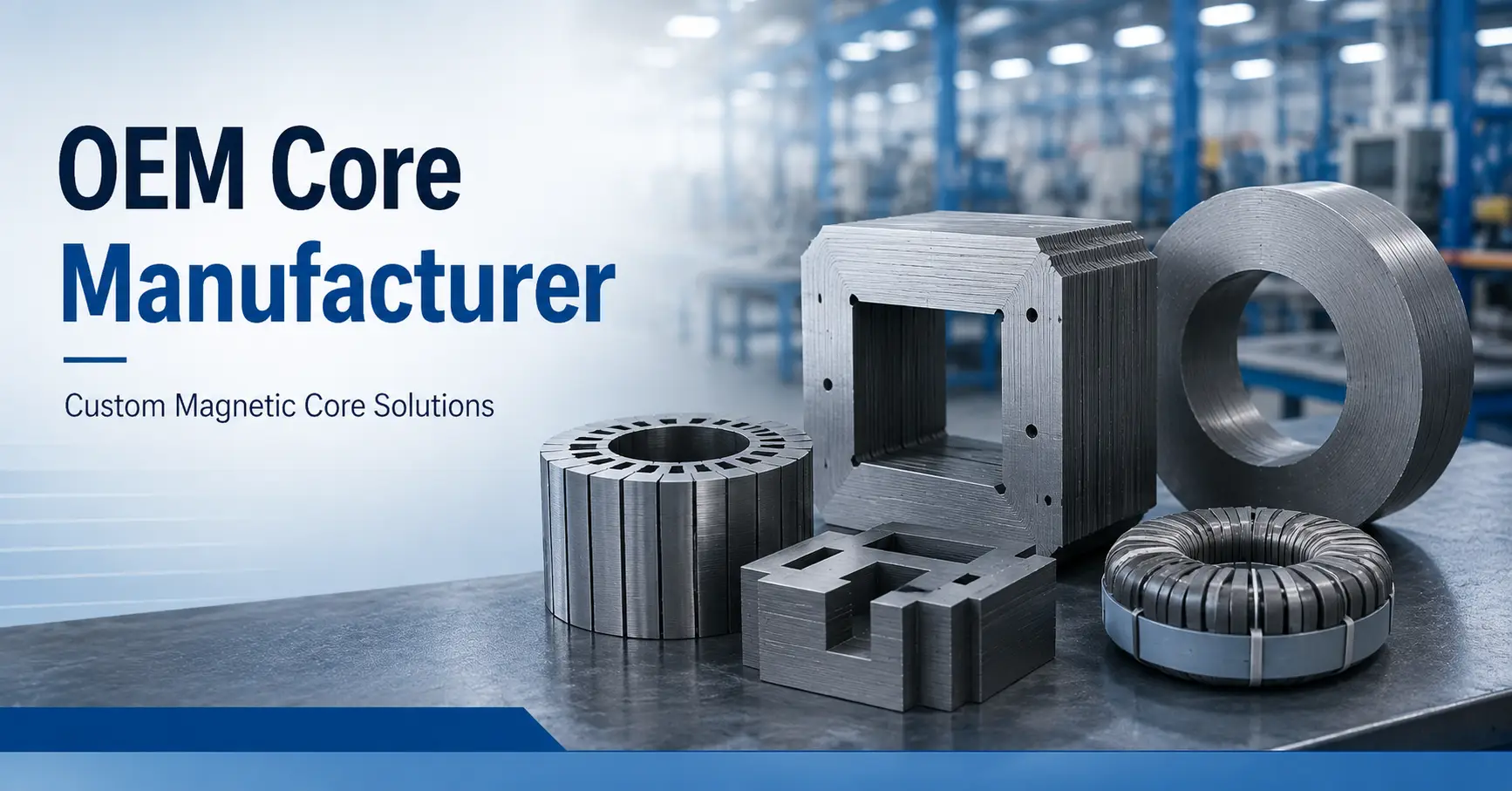
For many industrial manufacturers, standard magnetic cores cannot always meet specific product requirements. Different transformers, motors, sensors, and power systems may require unique dimensions, magnetic properties, installation structures, or production quantities.
A made to order core provides a flexible solution by allowing customers to develop magnetic components according to their own specifications.
Instead of selecting from existing inventory, buyers can provide drawings, samples, material requirements, and performance targets. The supplier then designs the manufacturing process and produces cores that match the application.
For OEM manufacturers, this approach helps improve assembly compatibility, reduce redesign costs, and achieve better product performance.
Shumyipx supports custom magnetic core manufacturing and silicon steel processing for industrial customers requiring drawing-based production, quality inspection, and stable batch supply. Learn more about the company through the Shumyipx About Us page.
What Is a Made to Order Core?
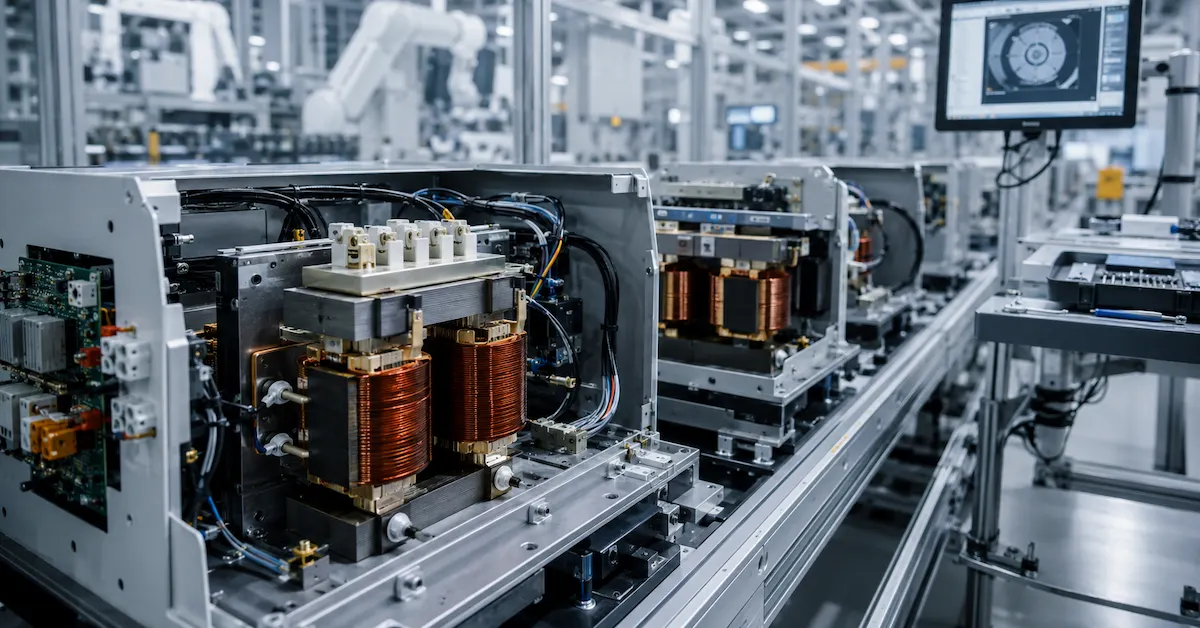
A made to order core is a magnetic core manufactured specifically according to customer requirements rather than produced as a standard stock item.
The production process normally starts with:
- Customer drawings
- CAD files
- Samples
- Technical specifications
- Material requirements
- Performance targets
- Quantity requirements
Common made-to-order core products include:
- Silicon steel cores
- Transformer cores
- Motor cores
- EI laminated cores
- Toroidal cores
- C cores
- Amorphous cores
- Nanocrystalline cores
- Custom laminated magnetic assemblies
Unlike standard products, made-to-order cores are developed around the customer’s actual application.
Why Choose Made to Order Cores Instead of Standard Products?
Standard magnetic cores may work for common applications, but many industrial projects require more flexibility.
1. Better Application Matching
Every electrical product has different requirements:
- Operating frequency
- Power level
- Installation space
- Temperature conditions
- Efficiency targets
- Mechanical structure
A made-to-order core allows the supplier to optimize the design based on actual application conditions.
2. Improved Assembly Compatibility
Incorrect core dimensions can create problems during:
- Winding
- Assembly
- Installation
- Testing
Custom manufacturing ensures the core matches the customer’s housing, winding structure, and mechanical requirements.
3. Flexible Production Quantity
Many OEM projects start with:
- Prototype samples
- Small batch production
- Engineering verification
- Final mass production
Made-to-order manufacturing supports different project stages.
4. Better Performance Control
Custom cores allow buyers to optimize:
- Core loss
- Magnetic permeability
- Size
- Weight
- Thermal performance
- Efficiency
Materials Available for Made to Order Cores
A professional magnetic core manufacturer should support different materials according to application requirements.
| Material | Features | Applications |
|---|---|---|
| Silicon Steel | Stable magnetic performance and cost efficiency | Transformers, motors, generators |
| Amorphous Alloy | Low core loss and energy-saving performance | Distribution transformers |
| Nanocrystalline Alloy | High permeability and low loss | High-frequency power systems |
| Permalloy | High magnetic sensitivity | Precision magnetic components |
| Mumetal | Excellent magnetic shielding | Sensors and measurement equipment |
The correct material depends on:
- Working frequency
- Magnetic flux density
- Efficiency target
- Temperature condition
- Cost requirement
Shumyipx provides magnetic core solutions including silicon steel and other magnetic materials. Buyers can review product categories through the Shumyipx Products page.
Made to Order Core Manufacturing Process
A reliable supplier should have a clear development process.
Step 1: Requirement Review
Customers provide:
- Drawings
- Samples
- Dimensions
- Material requirements
- Application information
The engineering team evaluates production feasibility.
Step 2: Material Selection
The supplier recommends suitable materials according to:
- Magnetic requirements
- Frequency range
- Efficiency target
- Cost expectations
Step 3: Process Planning
Manufacturing methods may include:
- Cutting
- Shearing
- Stamping
- Lamination stacking
- Winding
- Annealing
- Electrical testing
Step 4: Prototype Development
Samples are produced for:
- Dimensional verification
- Assembly testing
- Performance evaluation
Step 5: Mass Production
After approval, the project enters controlled production.
Stable process control ensures:
- Consistent dimensions
- Stable magnetic performance
- Reliable delivery
Key Technical Factors Affecting Custom Core Performance
Core Loss
Core loss affects energy efficiency and heat generation.
It is influenced by:
- Material grade
- Thickness
- Frequency
- Magnetic flux
- Processing stress
Lower core loss helps improve equipment efficiency.
Magnetic Permeability
Magnetic permeability determines how easily magnetic flux passes through the core.
Applications requiring stable magnetic response often pay close attention to permeability.
Lamination Quality
For laminated cores, quality depends on:
- Sheet thickness
- Cutting accuracy
- Burr control
- Stacking consistency
Poor lamination quality may increase loss and noise.
Annealing Process
Some magnetic materials require annealing to reduce processing stress and improve magnetic characteristics.
Quality Control for Made to Order Cores
Quality control is essential for custom magnetic components because each project may have unique requirements.
Important inspection steps include:
- Raw material inspection
- Thickness measurement
- Dimensional inspection
- Surface quality check
- Burr inspection
- Stacking height verification
- Magnetic performance testing
- Electrical testing
- Packaging inspection
Shumyipx focuses on quality control and manufacturing consistency for magnetic core products. Buyers can learn more through the Shumyipx Quality Assurance page.
Applications of Made to Order Cores
Made-to-order magnetic cores are widely used in:
| Industry | Application |
| Power Industry | Transformers and power equipment |
| Automotive | Motor systems and electronic components |
| New Energy | EV charging and renewable energy systems |
| Industrial Automation | Control equipment and drives |
| Electronics | Power supplies and filters |
| Medical Equipment | Precision magnetic components |
Different industries require different magnetic performance and structural designs.
How to Choose a Made to Order Core Supplier
Buyers should evaluate suppliers based on:
| Factor | What to Check |
| Engineering Ability | Drawing review and technical support |
| Material Knowledge | Silicon steel, amorphous, nanocrystalline options |
| Manufacturing Capability | Cutting, stamping, stacking, testing |
| Quality Control | Inspection process and equipment |
| Custom Experience | OEM project experience |
| Delivery Ability | Sample and mass production capability |
A supplier should act as a technical partner rather than only a component provider.
Cost Factors for Made to Order Cores
The price depends on:
- Material type
- Core size
- Thickness
- Structure complexity
- Tooling requirements
- Production quantity
- Testing requirements
- Packaging method
Choosing only the lowest price may create additional costs caused by:
- Poor quality
- Assembly problems
- Production delays
- Higher rejection rates
A reliable supplier helps reduce total project cost through stable manufacturing.
RFQ Checklist for Made to Order Cores
| Information | Details |
| Drawing | CAD, PDF, DXF, DWG, STEP |
| Material | Silicon steel, amorphous, nanocrystalline |
| Dimensions | Size, thickness, tolerance |
| Application | Transformer, motor, sensor, power equipment |
| Quantity | Prototype and production volume |
| Performance | Core loss, permeability, frequency |
| Testing | Required inspection standards |
Complete information helps suppliers provide accurate solutions.
FAQ
1. What is a made to order core?
A made to order core is a magnetic core manufactured according to customer-specific drawings, materials, dimensions, and performance requirements.
2. Why choose custom cores instead of standard cores?
Custom cores provide better application matching, assembly compatibility, and performance optimization.
3. Can made-to-order cores be produced from samples?
Yes. Suppliers can develop products based on customer samples or technical drawings.
4. What materials are available?
Common materials include silicon steel, amorphous alloy, nanocrystalline alloy, permalloy, and mumetal.
5. Are small batch orders possible?
Yes. Many projects start with prototypes or small production quantities.
6. What affects core performance?
Material selection, thickness, processing accuracy, stacking quality, and testing all affect performance.
7. How long does custom core production take?
Lead time depends on design complexity, tooling requirements, quantity, and testing requirements.
8. Can OEM buyers request special dimensions?
Yes. Made-to-order manufacturing is designed for customized dimensions and structures.
9. What industries use custom magnetic cores?
Transformers, motors, renewable energy, electronics, automotive, automation, and industrial equipment.
10. How do I start a project?
Provide drawings, application details, material requirements, quantity, and performance targets for supplier evaluation.
Conclusion
A made to order core provides industrial manufacturers with flexible magnetic solutions designed around specific application requirements. Compared with standard products, custom cores offer better compatibility, performance control, and production flexibility.
Shumyipx supports made-to-order magnetic core manufacturing, silicon steel processing, and OEM magnetic component projects. If your application requires custom transformer cores, motor cores, laminated cores, or other magnetic solutions, contact Shumyipx with your drawings and technical requirements.