English





What Goes Wrong When Choosing a Laminated Core Factory
In many procurement cases, buyers only realize problems after production begins. A laminated core factory may deliver acceptable samples, but once orders scale, issues start to appear—higher core loss, unstable dimensions, excessive noise, or inconsistent performance across batches.
Common challenges include:
-
Core loss exceeding expected values in real operation
-
Burr and stamping defects affecting magnetic performance
-
Batch inconsistency between samples and mass production
-
Noise and vibration problems in sensitive environments
-
Delays caused by unstable production capacity
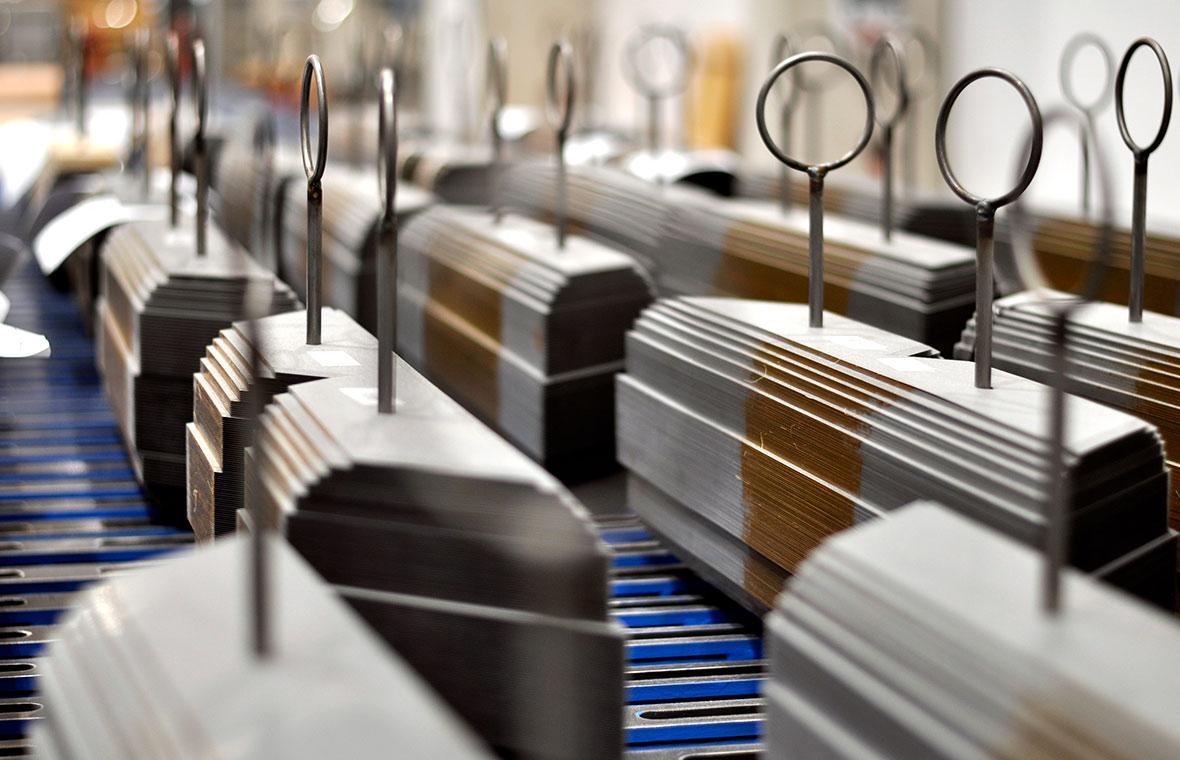
These problems are rarely caused by design alone. In most cases, they result from insufficient control over material quality, stamping precision, and lamination processes.
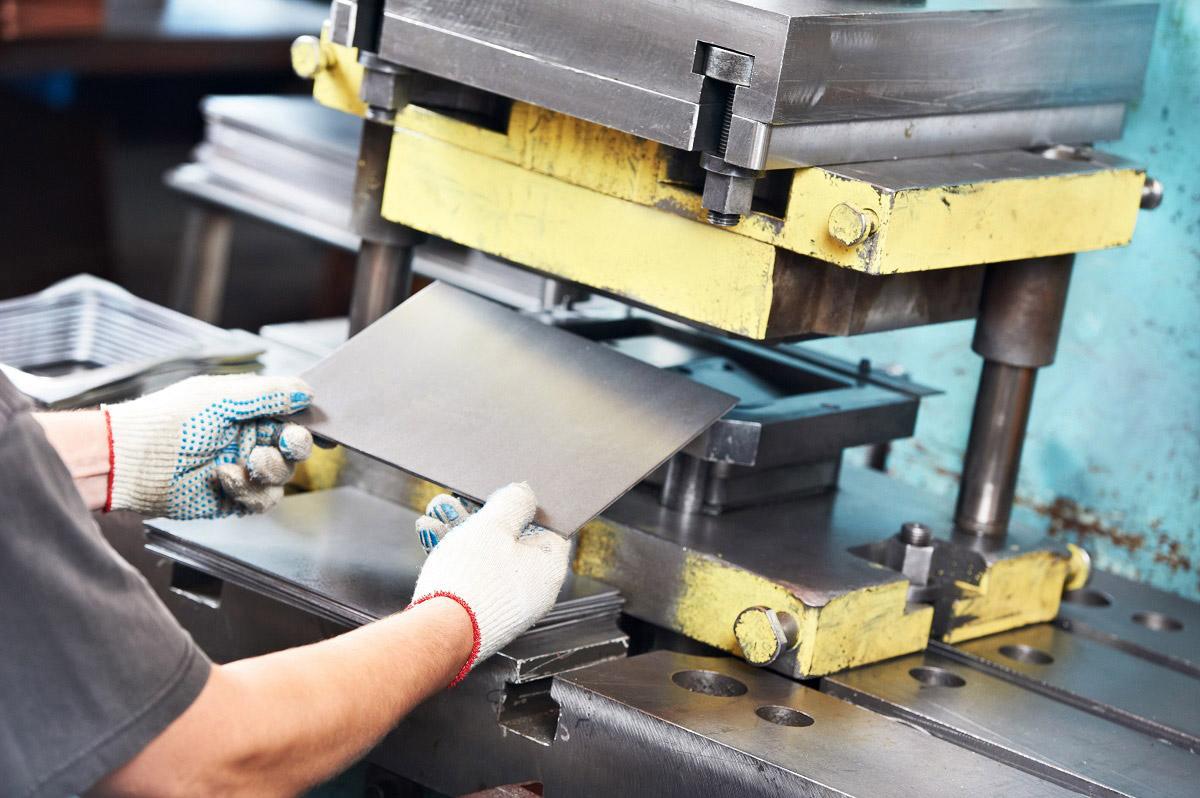
At Shumyi, we address these issues through controlled material sourcing, high-precision stamping (burr ≤0.02 mm), and standardized lamination processes. By aligning manufacturing execution with application requirements, we ensure that performance targets achieved in sampling can be consistently delivered in mass production.
Key Technical Factors That Define Laminated Core Performance
The performance of laminated cores depends on a combination of material properties and manufacturing precision. Understanding these factors is essential when evaluating any laminated core factory.
1. Electrical Steel Material
-
CRGO (Grain-Oriented Steel): optimized for transformer efficiency
-
CRNGO (Non-Oriented Steel): suitable for rotating machines
Typical magnetic properties:
-
Core loss: 1.2–1.8 W/kg
-
Magnetic permeability: high stability under load
2. Lamination Thickness
-
0.35 mm → standard industrial applications
-
0.27 mm → improved efficiency
-
0.23 mm → high-efficiency systems
Thinner laminations reduce eddy current loss and improve overall efficiency.
3. Stamping Precision
Precision directly affects magnetic performance:
-
Standard burr height: ~0.05 mm
-
High-precision control: ≤0.02 mm
Lower burr reduces energy loss and improves stacking quality.
4. Stacking and Assembly Process
-
Step-lap stacking reduces noise
-
Uniform pressure improves magnetic continuity
-
Stable stacking ensures consistent performance
5. Coating and Insulation
-
Insulation coating prevents short circuits
-
Improves long-term electrical stability
-
Enhances durability under continuous operation
Performance Comparison: Standard vs High-Precision Laminated Core
| Parameter | Standard Production | High-Precision Laminated Core |
|---|---|---|
| Core Loss | 1.5–1.8 W/kg | 1.2–1.4 W/kg |
| Efficiency | Baseline | +5–10% improvement |
| Burr Height | ~0.05 mm | ≤0.02 mm |
| Noise Level | Higher | Reduced by 15–25% |
| Heat Generation | Moderate | Lower |
| Lifespan | Standard | +15–20% longer |
From a long-term perspective, improved precision and material selection significantly reduce operational cost and maintenance requirements.
How Laminated Core Design Adapts to Different Operating Environments
In practical applications, laminated core performance is not only defined by material and precision, but also by how well the design adapts to environmental conditions. Temperature fluctuation, humidity, load cycles, and installation constraints all influence how a core performs over time. A capable laminated core factory does not apply a single design standard, but adjusts parameters based on real operating environments.
1. High-Temperature and Continuous Load Environments
Typical scenarios: industrial transformers, heavy-duty power equipment
Challenges:
-
Long-term thermal accumulation
-
Increased core loss under load
-
Insulation degradation risk
Engineering Adjustments:
-
Selection of lower core loss material (closer to 1.2 W/kg range)
-
Enhanced insulation coating for thermal resistance
-
Optimized stacking pressure to prevent deformation under heat
Practical Impact:
-
Reduced efficiency drop under continuous operation
-
Improved thermal stability and longer service life
2. Humid and Outdoor Operating Conditions
Typical scenarios: renewable energy systems, outdoor electrical cabinets
Challenges:
-
Moisture affecting insulation layers
-
Risk of corrosion on lamination surfaces
-
Reduced electrical reliability over time
Engineering Adjustments:
-
Anti-corrosion coating treatment on laminations
-
Enhanced insulation layer durability
-
Controlled lamination gap to prevent moisture penetration
Practical Impact:
-
Improved resistance to environmental degradation
-
More stable long-term electrical performance
3. Noise-Sensitive and Indoor Installations
Typical scenarios: commercial buildings, indoor power distribution systems
Challenges:
-
Magnetic vibration leading to audible noise
-
Structural resonance in compact installations
Engineering Adjustments:
-
Step-lap or optimized joint design
-
Improved lamination alignment accuracy
-
Tighter tolerance control during stacking
Practical Impact:
-
Noise reduction of approximately 15–25%
-
Better suitability for indoor environments
4. High-Frequency and Variable Load Applications
Typical scenarios: automation systems, switching power equipment
Challenges:
-
Rapid magnetic field changes
-
Increased eddy current losses
-
Performance instability under variable load
Engineering Adjustments:
-
Use of thinner laminations (0.23–0.27 mm)
-
Improved stamping precision to reduce magnetic discontinuities
-
Material selection adapted for dynamic magnetic behavior
Practical Impact:
-
Improved response under changing load conditions
-
Reduced energy loss in high-frequency operation
5. Compact and Space-Constrained Equipment
Typical scenarios: integrated power modules, compact electrical devices
Challenges:
-
Limited installation space
-
Heat concentration
-
Structural integration requirements
Engineering Adjustments:
-
Customized core geometry
-
Optimized stacking density
-
Balanced design between size and performance
Practical Impact:
-
Efficient use of limited space
-
Maintained performance despite compact design
Why Manufacturing Capability Determines Long-Term Value
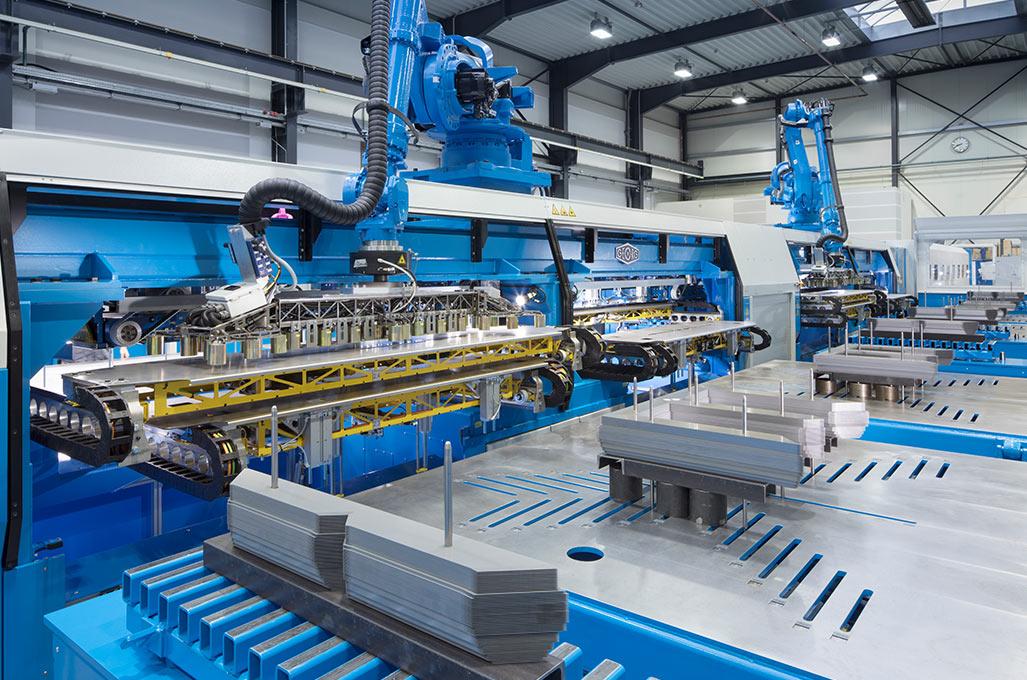
In laminated core production, the difference between suppliers is not in drawings, but in execution. Manufacturing capability determines whether performance targets can be maintained consistently across large-scale production.
Factories with advanced tooling, controlled processes, and stable supply chains can maintain tight tolerances, reduce variability, and deliver consistent quality across batches. This stability directly impacts efficiency, reduces defect rates, and ensures predictable system performance.
For buyers, this means fewer production issues, lower maintenance costs, and more reliable end products.
Choosing the Right Laminated Core Factory for Stable Supply
Selecting a laminated core factory is not just about price or sample quality—it is about ensuring consistent performance across the entire lifecycle of your product.
At Shumyi
If you want to explore available laminated core types and technical configurations, you can view our product range here:
👉 https://www.shumyipx.com/products
For technical discussions, customization requirements, or quotation support, you can contact our team directly:
👉 https://www.shumyipx.com/contact-us
By working with a factory that combines material expertise, precision manufacturing, and application-based optimization, you can ensure stable supply, improved performance, and long-term cost efficiency.