English





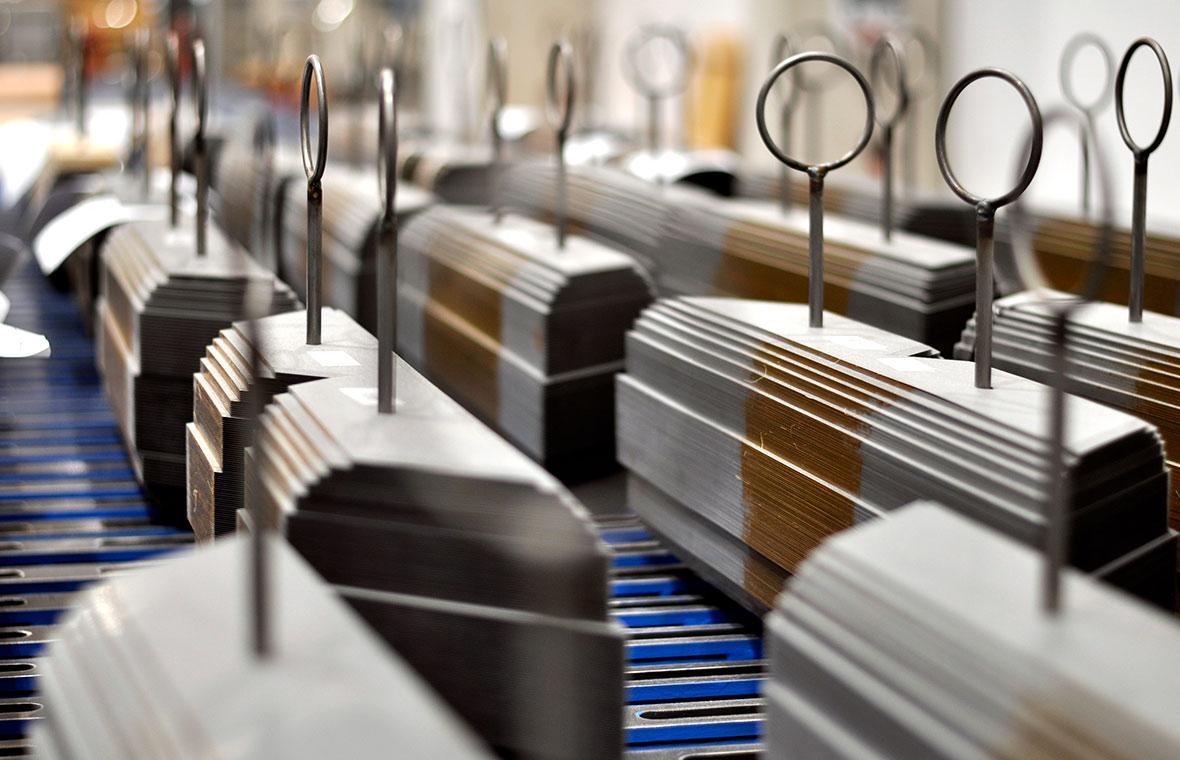
In transformer and motor manufacturing, stamping is often considered a standard step—cutting electrical steel into laminations according to design drawings.
However, once production moves from samples to full-scale manufacturing, issues begin to appear:
- core loss increases despite unchanged material
- lamination edges deform, affecting stacking
- vibration and noise rise in motors
- assembly consistency becomes difficult to maintain
These problems rarely originate from design. Instead, they are directly linked to the stamping process itself.
A capable core stamping manufacturer understands that stamping is not just shaping material—it defines magnetic continuity, dimensional accuracy, and long-term performance.
At Shumyi, stamping is treated as a critical control stage, ensuring consistent lamination quality across all production batches.
How Stamping Principles Affect Magnetic Performance
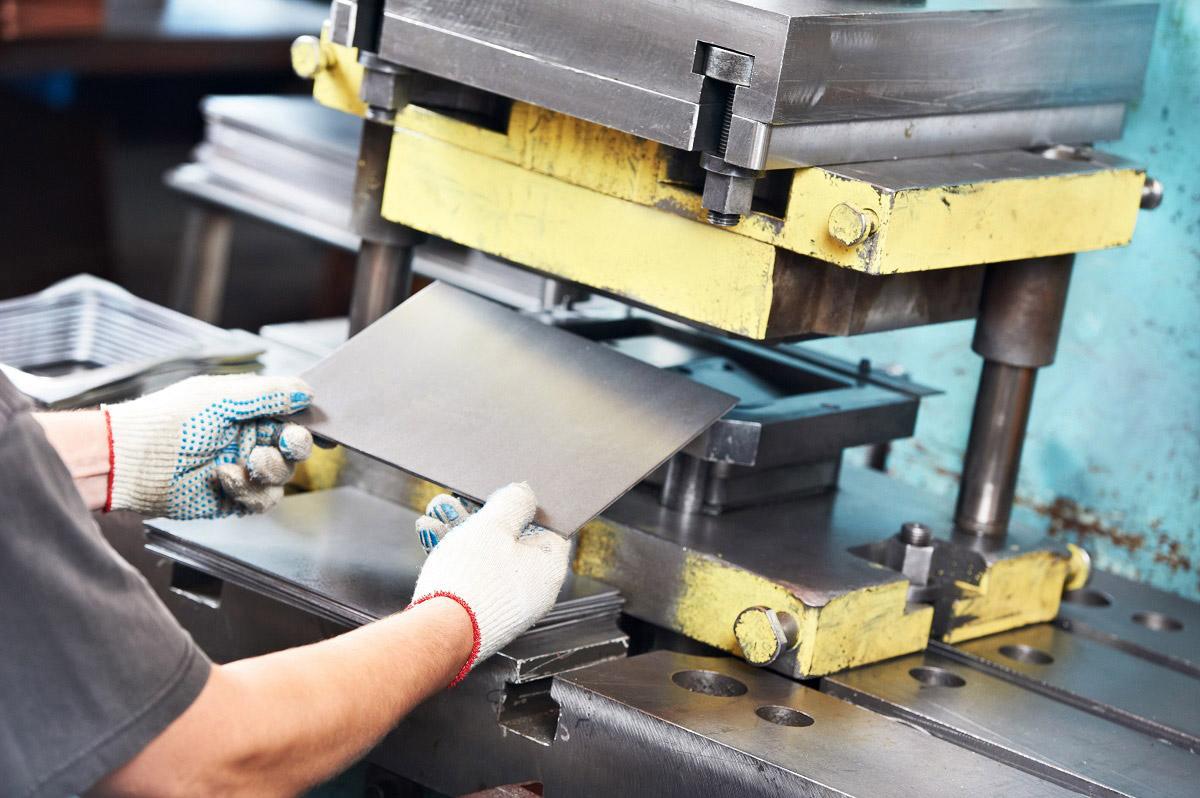
Stamping introduces mechanical and structural changes to electrical steel, directly affecting its magnetic properties.
Burr Formation
- ≤0.02 mm → stable magnetic path
- ≥0.05 mm → increased eddy current loss
Higher burr height leads to:
- higher heat generation
- reduced efficiency
Material Stress During Stamping
Stamping creates internal stress in electrical steel.
Impact:
- core loss increase of 5–8%
- reduced permeability
Controlling stamping conditions minimizes this effect.
Dimensional Precision
Typical tolerance:
- high precision: ±0.02 mm
- standard production: ±0.05 mm
Dimensional inconsistency leads to:
- poor stacking alignment
- magnetic flux distortion
A professional core stamping manufacturer ensures tight tolerance control across production.
Comparison: Standard vs Precision Stamping
| Parameter | Standard Stamping | Precision Core Stamping Manufacturer |
|---|---|---|
| Burr Height | 0.04–0.06 mm | ≤0.02 mm |
| Dimensional Accuracy | ±0.05 mm | ±0.02 mm |
| Core Loss Impact | +5–8% increase | Stable |
| Noise Level | Variable | Reduced by 10–20% |
| Production Yield | 85–90% | 95–97% |
| Batch Consistency | Unstable | Stable |
Precision stamping significantly improves both performance and manufacturing efficiency.
How Core Stamping Solves Production Challenges
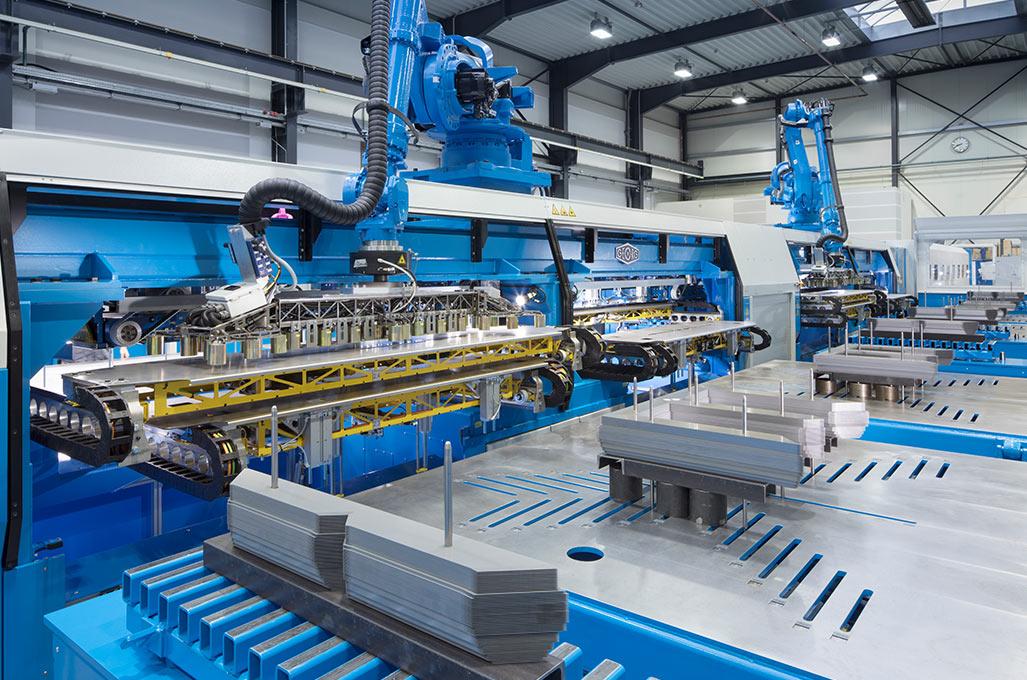
A professional core stamping manufacturer improves results through:
- high-precision stamping dies with controlled wear
- optimized punching speed to balance output and quality
- stable material feeding and positioning
- continuous inspection of burr and dimensional accuracy
These controls ensure consistent lamination quality at scale.
Advantages of Working with a Precision Core Stamping Manufacturer
- reduced core loss and improved energy efficiency
- consistent lamination quality across batches
- lower noise and vibration in final products
- improved assembly compatibility
- higher production yield and reduced defect rates
Application Scenarios
Transformer Core Production
- requires low-loss laminations
- sensitive to burr and edge quality
Motor Core Manufacturing
- requires precise slot geometry
- affected by stamping accuracy
High-Volume OEM Projects
- require stable production output
- depend on consistent stamping quality
Selection Considerations for Buyers
When choosing a core stamping manufacturer, consider:
- whether stamping and tooling are controlled in-house
- ability to maintain precision at high production volume
- quality inspection methods for burr and dimensions
- experience with both transformer and motor applications
FAQ
Q1: Why is burr control critical in stamping?
A: Burr increases magnetic resistance, leading to higher core loss and heat generation.
Q2: How does stamping precision affect production yield?
A: Higher precision reduces defects, improving assembly efficiency and overall yield.
Q3: What defines a reliable core stamping manufacturer?
A: Stable tooling, controlled processes, and consistent output across production batches.
Summary
A reliable core stamping manufacturer ensures that lamination quality meets strict performance and dimensional requirements. By controlling stamping precision, burr height, and process stability, manufacturers can improve efficiency, reduce defects, and maintain consistent production quality.
Learn more about our core products here:
https://www.shumyipx.com/products
For technical consultation or quotation support, contact us here:
https://www.shumyipx.com/contact-us