English




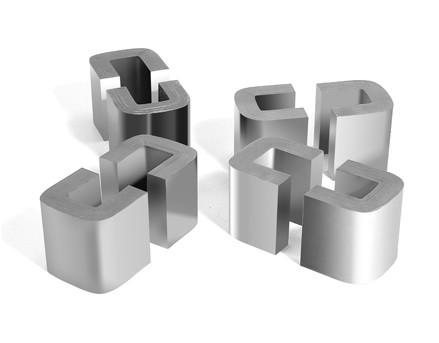
What Buyers Often Overlook When Sourcing Silicon Steel Core
In many procurement cases, silicon steel core selection is treated as a standard component decision rather than a performance-critical factor. Buyers often focus on dimensions and price while overlooking how material grade, lamination quality, and stacking methods directly influence transformer efficiency and operating stability.
In real applications such as power transformers, solar inverters, or industrial equipment, poor core selection can lead to:
-
Higher core loss and increased energy consumption
-
Excessive noise in indoor or precision environments
-
Overheating under continuous load conditions
-
Inconsistent performance between samples and bulk orders
For manufacturers and system integrators, these issues are not minor—they translate directly into higher operational costs, customer complaints, and reduced product lifespan. That’s why selecting the right supplier is not just a sourcing task, but a technical decision tied to long-term system performance.
Key Factors That Directly Affect Silicon Steel Core Performance
The performance of a silicon steel core is determined by several interrelated technical factors. Understanding these variables allows buyers to make informed decisions rather than relying on generic specifications.
1. Material Type (CRGO vs CRNGO)
-
CRGO (Grain-Oriented Steel): Lower core loss, ideal for transformers
-
CRNGO (Non-Oriented Steel): More suitable for rotating machines
Material selection alone can impact efficiency by 5–15%, depending on application.
2. Core Loss Characteristics
Core loss (W/kg) directly affects energy consumption:
-
Lower loss → higher efficiency
-
Higher loss → increased heat and energy waste
Typical ranges:
-
Standard: 1.5–1.8 W/kg
-
Optimized: 1.2–1.4 W/kg
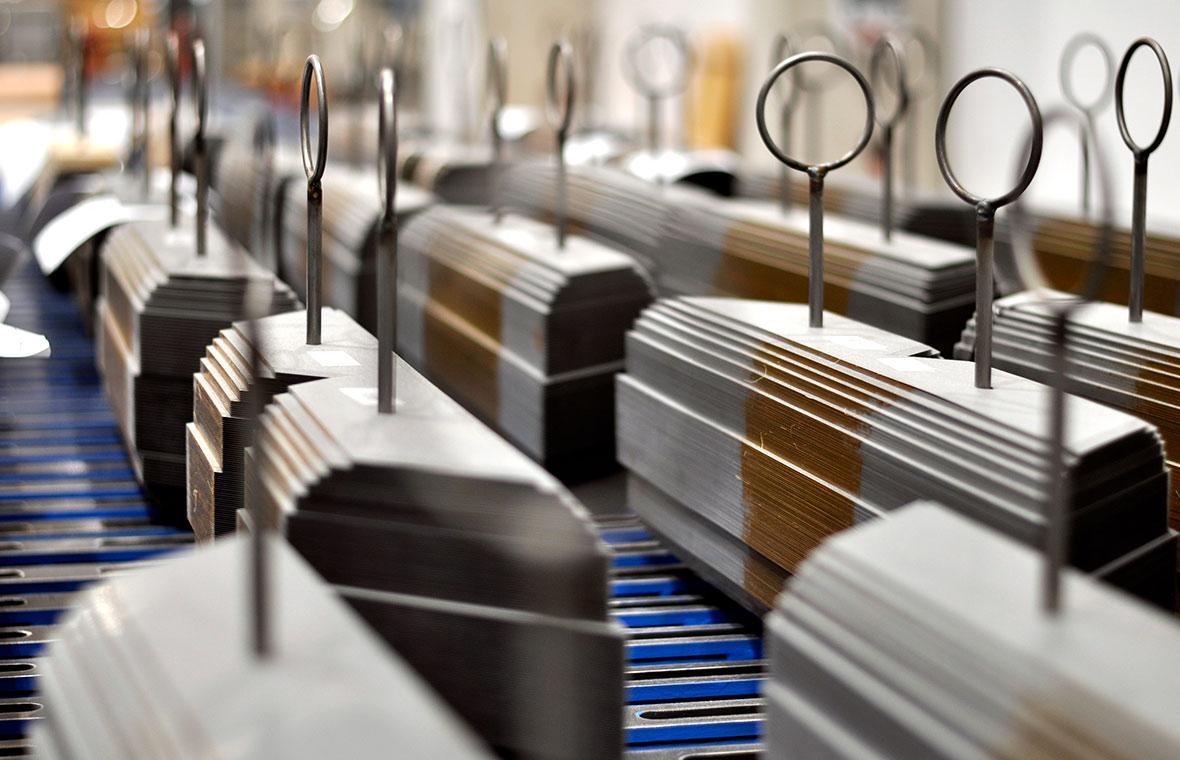
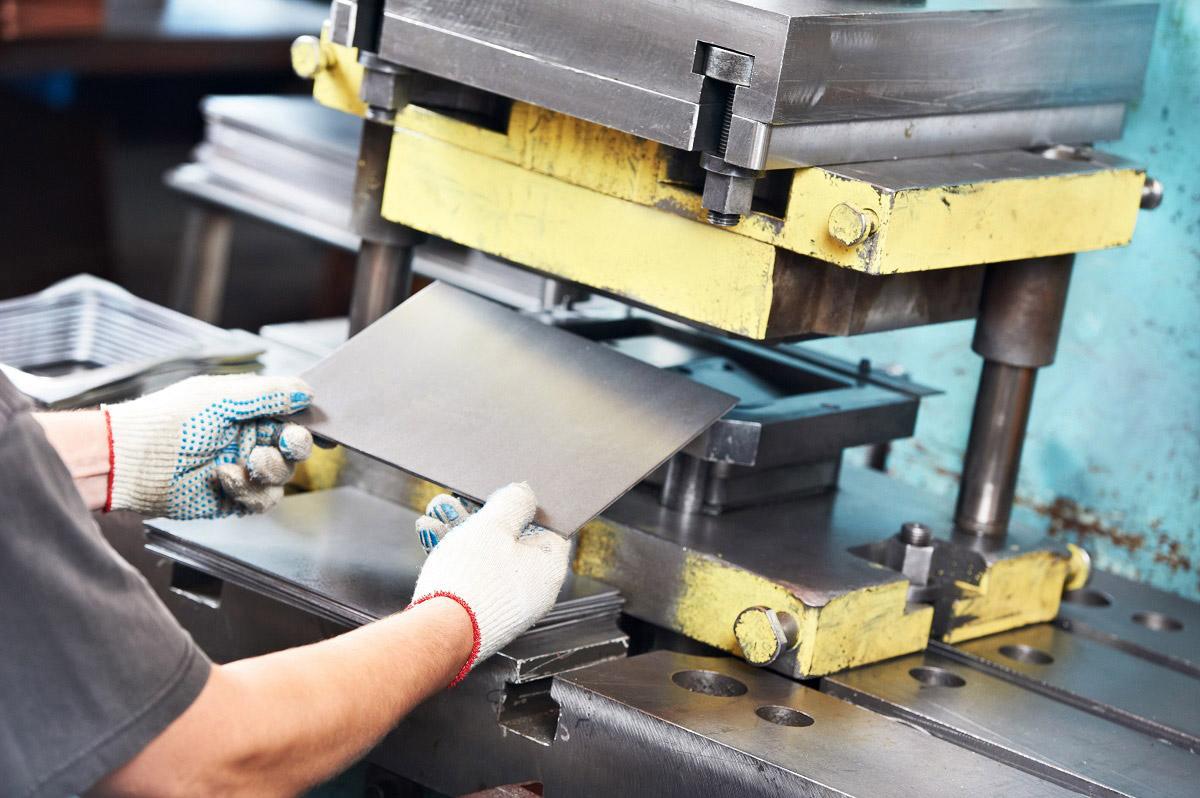
3. Stamping Precision and Burr Control
High-precision stamping ensures:
-
Better magnetic continuity
-
Reduced eddy current loss
Burr height control:
-
Standard: 0.05 mm
-
High precision: ≤0.02 mm
4. Lamination Thickness
Thinner laminations reduce eddy current losses:
-
0.35 mm → standard industrial use
-
0.23 mm → high-efficiency applications
5. Coating and Insulation
Proper insulation coating prevents short circuits between laminations and improves long-term stability.
Comparison of Core Options in Real Applications
The difference between standard and optimized solutions becomes clear when evaluated under real operating conditions.
| Parameter | Standard Core | Optimized Solution |
|---|---|---|
| Core Loss | 1.5–1.8 W/kg | 1.2–1.4 W/kg |
| Efficiency Impact | Baseline | +5–10% improvement |
| Noise Level | Higher | Reduced by 15–25% |
| Heat Generation | Moderate | Lower |
| Lifespan | Standard | Extended by 15–20% |
| Cost | Lower upfront | Better long-term ROI |
From a procurement perspective, while optimized cores may have a slightly higher initial cost, they significantly reduce energy consumption and maintenance costs over time.
How Silicon Steel Core Requirements Change Across Different Applications
Different applications impose different technical requirements on magnetic core structures. Selecting a one-size-fits-all solution often leads to inefficiencies.
1. Solar Inverters and Energy Storage Systems
Challenges:
-
Continuous operation
-
High efficiency demand
-
Thermal management
Optimization Approach:
-
Use low-loss CRGO material
-
Apply step-lap stacking
-
Reduce lamination thickness
Result:
-
Improved energy conversion efficiency
-
Reduced operating temperature
2. Industrial Transformers
Challenges:
-
Heavy load conditions
-
Long operational cycles
Optimization Approach:
-
High permeability material
-
Strong mechanical stability
-
Consistent lamination stacking
Result:
-
Stable performance under load
-
Extended equipment lifespan
3. Electric Motors and Automation Equipment
Challenges:
-
High-speed operation
-
Magnetic field variation
Optimization Approach:
-
Use CRNGO material
-
Optimize stamping accuracy
-
Maintain tight tolerances
Result:
-
Improved motor efficiency
-
Reduced vibration and noise
Why Manufacturing Capability Matters More Than Price
Price differences in sourcing are often marginal, but manufacturing capability creates measurable differences in performance, consistency, and long-term cost. Core loss, noise level, and thermal stability are not determined by specifications alone—they depend heavily on stamping precision, lamination quality, and process control during mass production.
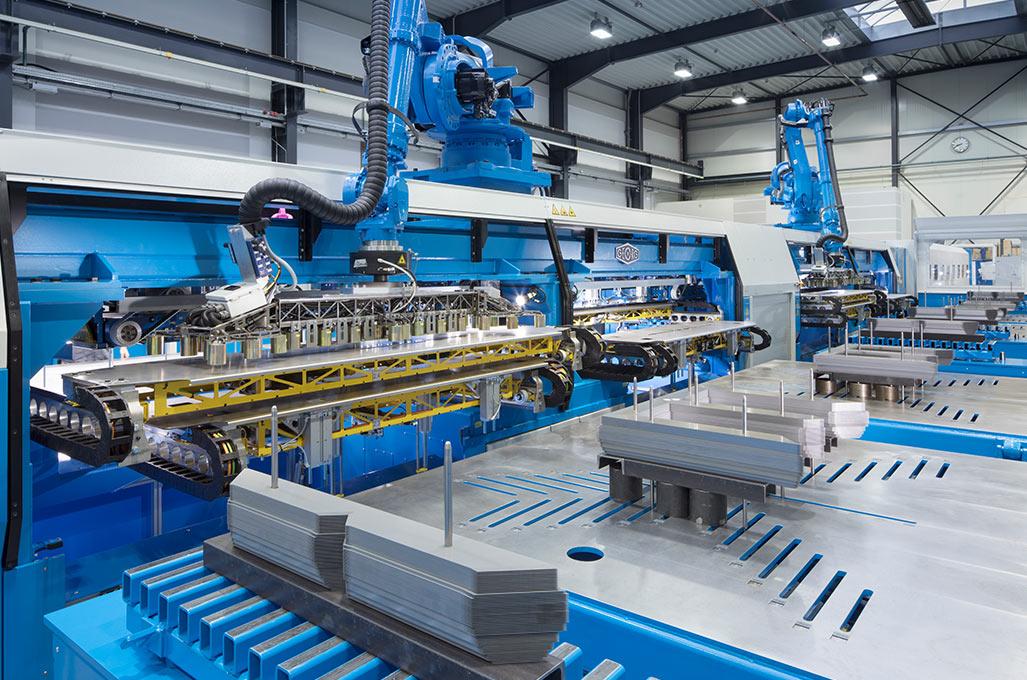
A manufacturer with stable tooling and tight process control can maintain burr levels below 0.02 mm, ensure consistent stacking accuracy, and keep batch deviation minimal. This directly translates into 5–10% efficiency improvement and lower failure rates in real applications. In contrast, suppliers without strong production control may deliver acceptable samples but struggle with consistency at scale, leading to performance fluctuations and higher operational risk.
More importantly, capable manufacturers can adjust core design based on actual application requirements—optimizing material selection, structure, and cost balance—rather than simply supplying standard parts. Over time, this reduces energy loss, improves system reliability, and lowers total cost of ownership.
For most industrial buyers, the real decision is not unit price, but whether the supplier can deliver consistent performance at scale.
Choosing the Right Silicon Steel Core Partner for Long-Term Stability
Selecting the right silicon steel core is not only about meeting specifications—it is about ensuring long-term efficiency, reliability, and cost control. A well-matched core solution can significantly reduce energy loss, improve system performance, and enhance product competitiveness in demanding industrial and energy applications.
At Shumyi, we focus on delivering stable, high-performance solutions backed by real manufacturing capability. With in-house stamping, lamination, and assembly processes, we maintain strict control over precision, material selection, and batch consistency. Our team works closely with customers to adapt designs based on actual application scenarios, helping optimize efficiency, reduce noise, and ensure long-term operational stability.
If you want to evaluate available product types and technical configurations, you can explore our full range here:
👉 https://www.shumyipx.com/products
For project discussions, customization needs, or quotation support, you can contact our team directly:
👉 https://www.shumyipx.com/contact-us
By working with a manufacturer that understands both production processes and real-world application requirements, you can build a more stable supply chain and achieve better long-term results.