English





Why C Core Transformer Projects Often Encounter Performance Problems
In many industrial transformer projects, the expected efficiency or stability is not achieved after installation. While the design specifications may appear correct, real operating conditions reveal issues such as higher-than-expected losses, noise during operation, or inconsistent thermal performance.
Typical problems reported by equipment manufacturers include:
-
Magnetic loss exceeding design expectations
-
Core vibration causing audible noise
-
Temperature rise during continuous operation
-
Variations between prototype samples and mass production units
These issues often arise when transformer cores are manufactured without precise control of material properties, cutting accuracy, and assembly consistency.
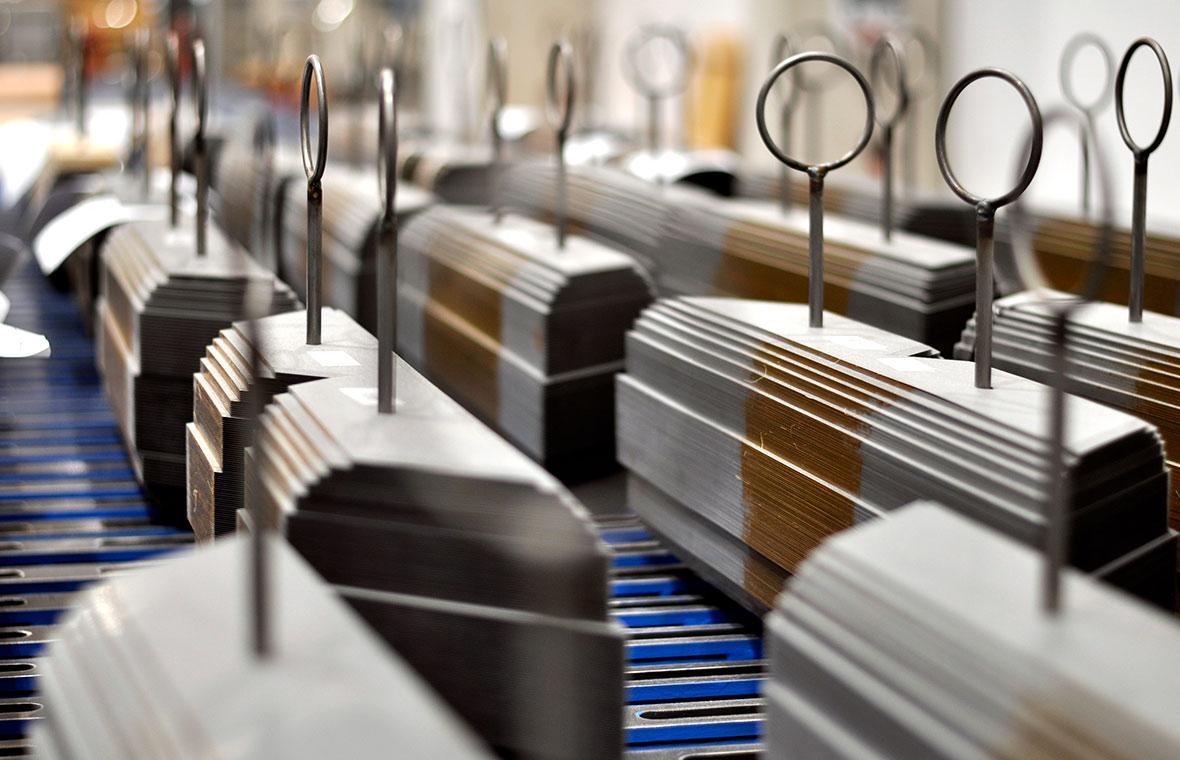
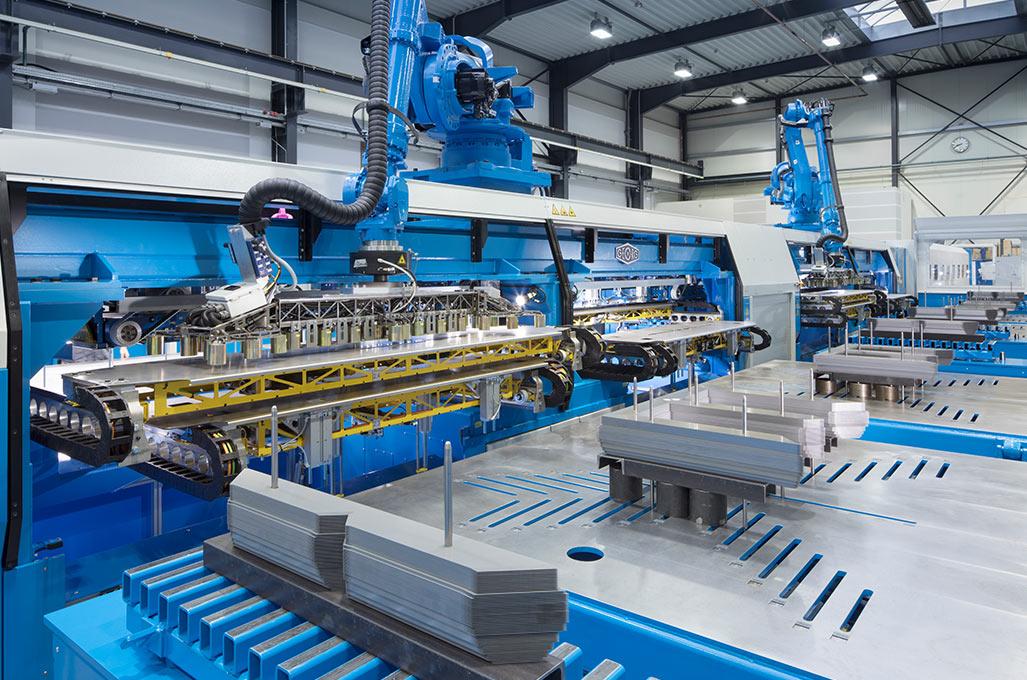
At Shumyi, we address these challenges by combining controlled silicon steel sourcing, precision cutting technology, and stable assembly processes. This allows the C core transformer structure to deliver consistent magnetic performance while maintaining efficiency and structural stability in long-term operation.
Key Technical Factors That Influence C Core Transformer Performance
The performance of a C core transformer is determined by a combination of material properties, structural design, and manufacturing precision. Several technical parameters play a decisive role in achieving stable performance.
Silicon Steel Material
C cores typically use high-quality grain-oriented silicon steel due to its magnetic properties.
Typical material characteristics include:
-
Core loss: 1.2–1.5 W/kg
-
High magnetic permeability
-
Stable performance under continuous load
Material consistency is critical for maintaining stable transformer efficiency.
Core Geometry and Magnetic Path
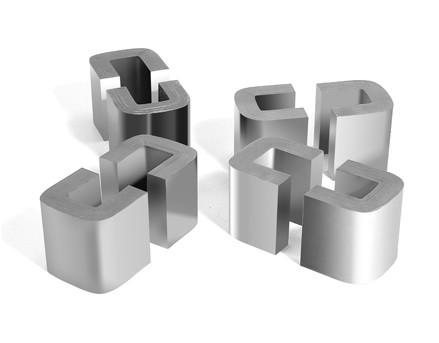
The structure of a C-shaped core reduces magnetic path discontinuity compared with traditional laminated EI cores.
Advantages include:
-
Improved magnetic flux continuity
-
Lower magnetization loss
-
Reduced mechanical vibration
These characteristics help improve overall transformer performance.
Precision Cutting and Assembly
Unlike traditional stacked laminations, C cores require highly accurate cutting and matching.
Typical manufacturing requirements include:
-
Precision cutting tolerance within ±0.02 mm
-
Smooth core surface to reduce magnetic resistance
-
Consistent assembly pressure
Accurate processing ensures uniform magnetic distribution and prevents localized loss.
Insulation and Surface Treatment
Proper insulation treatment ensures electrical safety and long-term stability.
Typical solutions include:
-
Insulation coatings between laminations
-
Surface protection against corrosion
-
Thermal-resistant coatings for high-load applications
These measures improve reliability under demanding operating conditions.
Performance Comparison: Traditional EI Core vs C Core Transformer
| Parameter | EI Core Transformer | C Core Transformer |
|---|---|---|
| Core Loss | 1.5–1.8 W/kg | 1.2–1.5 W/kg |
| Efficiency | Standard | +5–8% improvement |
| Noise Level | Moderate | Reduced by 10–20% |
| Magnetic Path | Discontinuous joints | Continuous structure |
| Heat Generation | Higher | Lower |
| Lifespan | Standard | Extended operational stability |
Because of its structural advantages, the C core transformer design is often preferred in applications where efficiency and noise reduction are critical.
Application Environments and Engineering Adaptation
A reliable transformer core supplier must adjust design parameters depending on where the equipment will operate.
Renewable Energy Systems
Typical applications include solar power converters and energy storage equipment.
Key challenges:
-
Continuous load operation
-
High energy efficiency requirements
Engineering adjustments include:
-
Lower loss silicon steel material
-
Improved magnetic path design
-
Enhanced insulation stability
Result:
-
Improved energy conversion efficiency
-
Reduced long-term operational loss
Industrial Power Equipment
Industrial transformers often operate under heavy load for extended periods.
Key challenges:
-
High thermal stress
-
Long operational cycles
Engineering solutions include:
-
Stable core structure
-
Improved mechanical rigidity
-
Optimized magnetic flux distribution
Result:
-
Better durability
-
Lower maintenance requirements
Noise-Sensitive Electrical Installations
Certain applications such as commercial buildings require quiet electrical systems.
Challenges include:
-
Magnetic vibration causing audible noise
-
Structural resonance within equipment housings
Engineering solutions:
-
Balanced magnetic design
-
Precision assembly
-
Stable insulation layers
Result:
-
Reduced vibration
-
Lower operational noise
Safety, Reliability, and Industry Certifications
When evaluating a C core transformer supplier, industrial buyers must also consider safety and compliance factors.
Quality Control Procedures
Typical inspection processes include:
-
Raw material verification
-
Cutting precision inspection
-
Core loss testing
-
Dimensional tolerance verification
Safety Considerations
Reliable transformer cores must provide:
-
Electrical insulation stability
-
Thermal resistance under continuous load
-
Structural integrity under mechanical stress
These factors ensure safe operation in industrial power systems.
Industry Certifications
Many transformer core manufacturers comply with international standards such as:
-
ISO 9001 – quality management system
-
RoHS – environmental material compliance
-
CE – applicable electrical equipment standards
These certifications help ensure compatibility with global markets.
Why Manufacturing Capability Matters in C Core Transformer Production
While transformer core designs may appear similar on paper, manufacturing capability determines whether the intended performance can actually be achieved in practice.
Factories with advanced cutting equipment, stable material sourcing, and controlled assembly processes can maintain consistent tolerances and magnetic properties across large production batches. This stability reduces performance variation and ensures that efficiency targets remain consistent in real-world applications.
For industrial buyers, this means fewer production issues, lower maintenance costs, and improved reliability for end equipment.
Choosing the Right C Core Transformer Manufacturing Partner
Selecting the right supplier for transformer cores is not simply about obtaining a component—it is about ensuring long-term performance and stable supply.
At Shumyi, we specialize in precision transformer core manufacturing supported by controlled material sourcing and stable production processes. Our engineering-driven approach ensures that each project is optimized for real application conditions, helping customers achieve higher efficiency, reduced loss, and reliable long-term operation.
If you would like to explore available transformer core products and configurations, you can view our product range here:
👉 https://www.shumyipx.com/products
For technical consultation, customization requirements, or quotation requests, you can contact our team directly:
👉 https://www.shumyipx.com/contact-us
Working with an experienced manufacturing partner helps ensure consistent quality, optimized transformer performance, and stable long-term supply.