东莞深业晶格科技有限公司
首页/博客/电机定子铁芯指南:真正决定电机稳定性和性能的因素

电机定子铁芯指南:真正决定电机稳定性和性能的因素

blog avatar

Dongguan ShumyipXTechnology co., Ltd

出版
Mar 17 2026
  • 博客

跟着我们

电机定子铁芯指南:真正决定电机稳定性和性能的因素

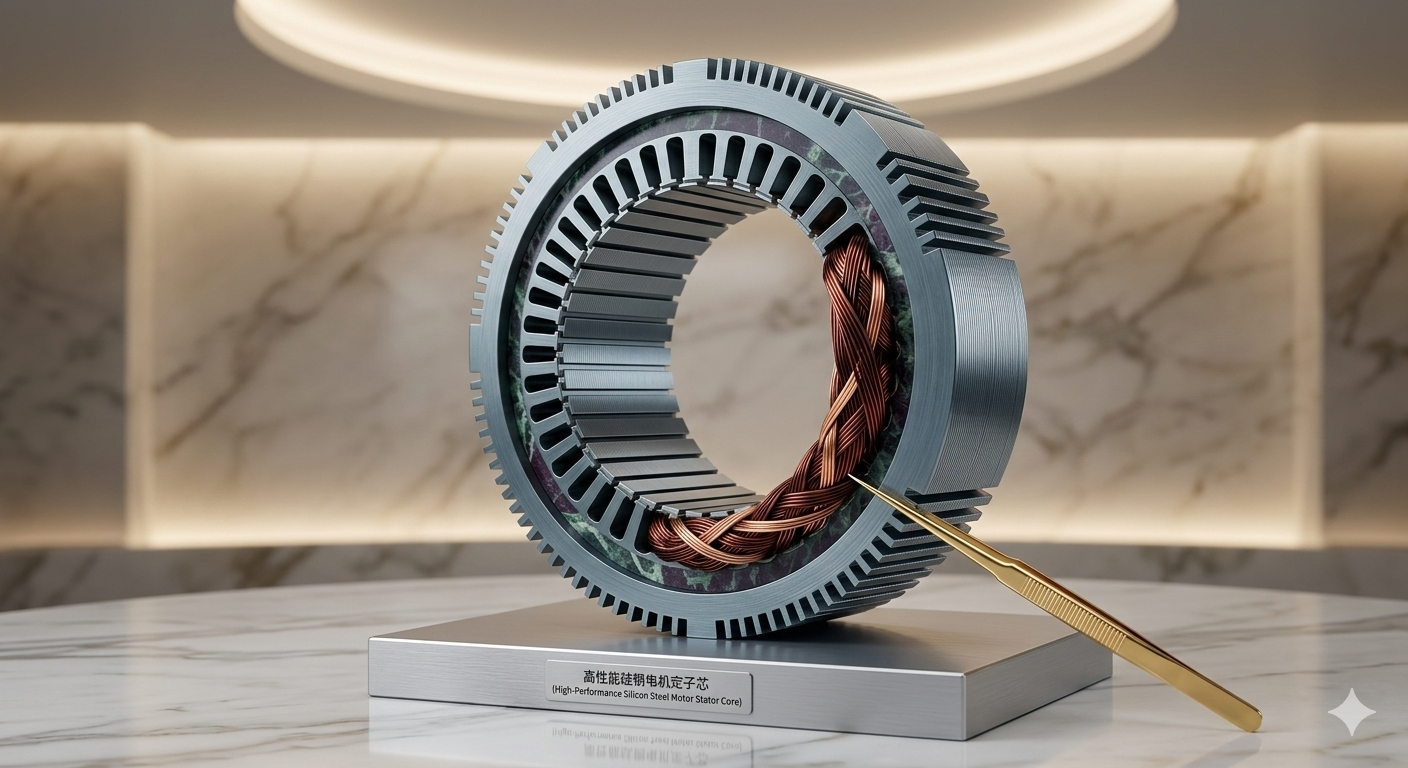
电机定子铁芯.png

何时电机性能问题引导返回定子核心

如果交谈工程师曾经工作过电机项目足够了,一个图案开始出现。 许多性能问题显示向上最终电机—振动,效率损耗,过热—可以经常追踪返回一个组件很少获取足够注意:电机定子核心

首先首先一切似乎很好。 设计检查出局。 原型运行。 但是一次生产开始或者电机进入真实工作条件,问题开始表面:

  • 电机运行更热预期

  • 噪音出现期间连续操作

  • 效率下降低于负载

  • 性能变化批次

  • 这些问题令人沮丧因为他们总是来自电机设计本身。 许多案例中,原因谎言如何 定子核心制造的 - 特别制造精度叠片一致性 材质。

    Shumyi我们方法定子核心生产理解最小偏差冲压精度材料质量可以影响整个电机系统。 通过控制层压准确性,材料稳定性,堆叠一致性,我们帮助确保电机执行完全工程师预期到。

    技术元素那个形状电机定子磁芯性能

    背后每台可靠电机一套工程决定确定如何磁性表现。 电机定子核心 负责指导磁性通量,其中意味着两者材料属性制造精度很重要。

    电气材料

    大多数定子核心面向电气 class="BZ_Pyq_fadeIn">钢设计支持旋转磁性磁场。

    典型材料特征包括:

  • 核心损失范围:1.3–1.7 W/kg

  • 磁性磁导率

  • 稳定磁性响应低于更改加载条件

  • 材质一致性必不可少的用于保持稳定电机效率。

    层压厚度

    减少层压厚度有帮助减少涡流当前损耗提高整体性能。

    典型配置包括:

    • 0.35 毫米标准工业电机

    • 0.30 毫米提高效率电机

    • 0.27 毫米 更薄 - 高-性能设计

    更薄叠片帮助电机运行冷却器维持效率长时间操作周期

    冲压准确度

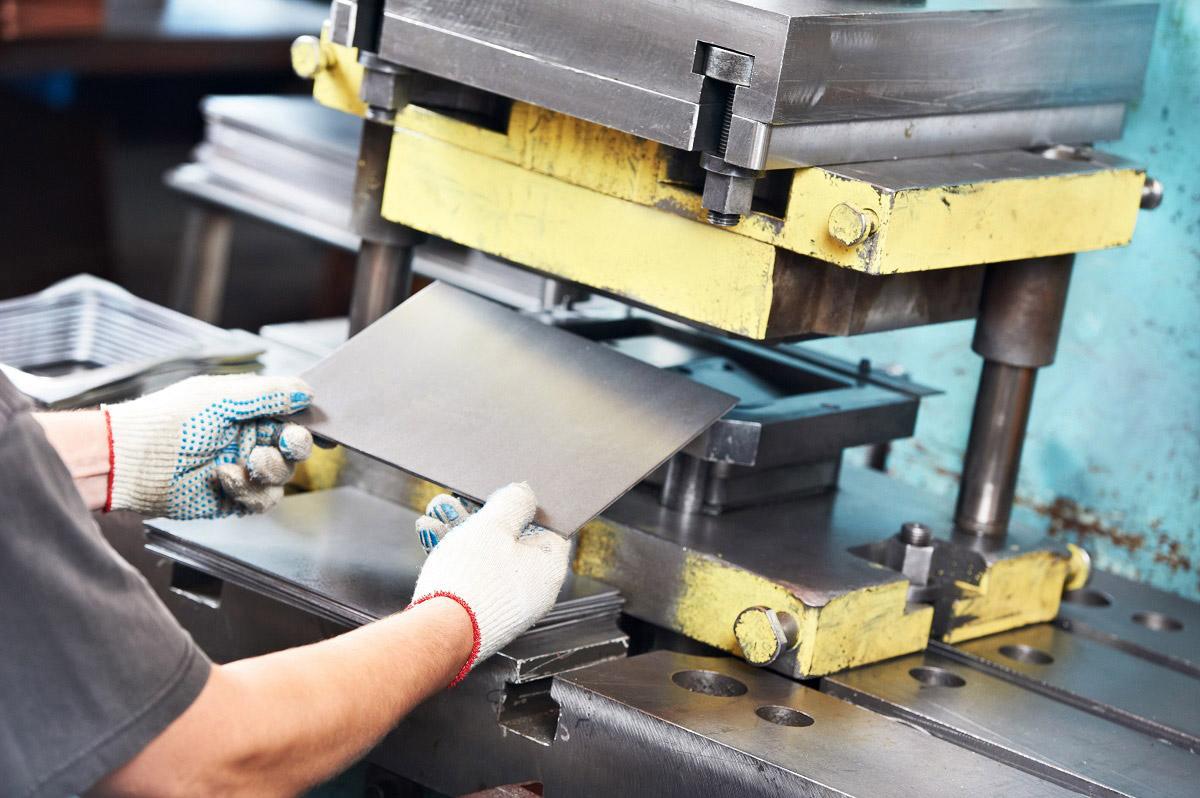
    冲压精度直接影响磁性连续性。

    典型制造公差包括:

  • 毛刺 高度:0.02 毫米

  • 尺寸公差:±0.02 毫米

  • 更好精度确保磁性流动平滑通过核心。

    堆叠一致性

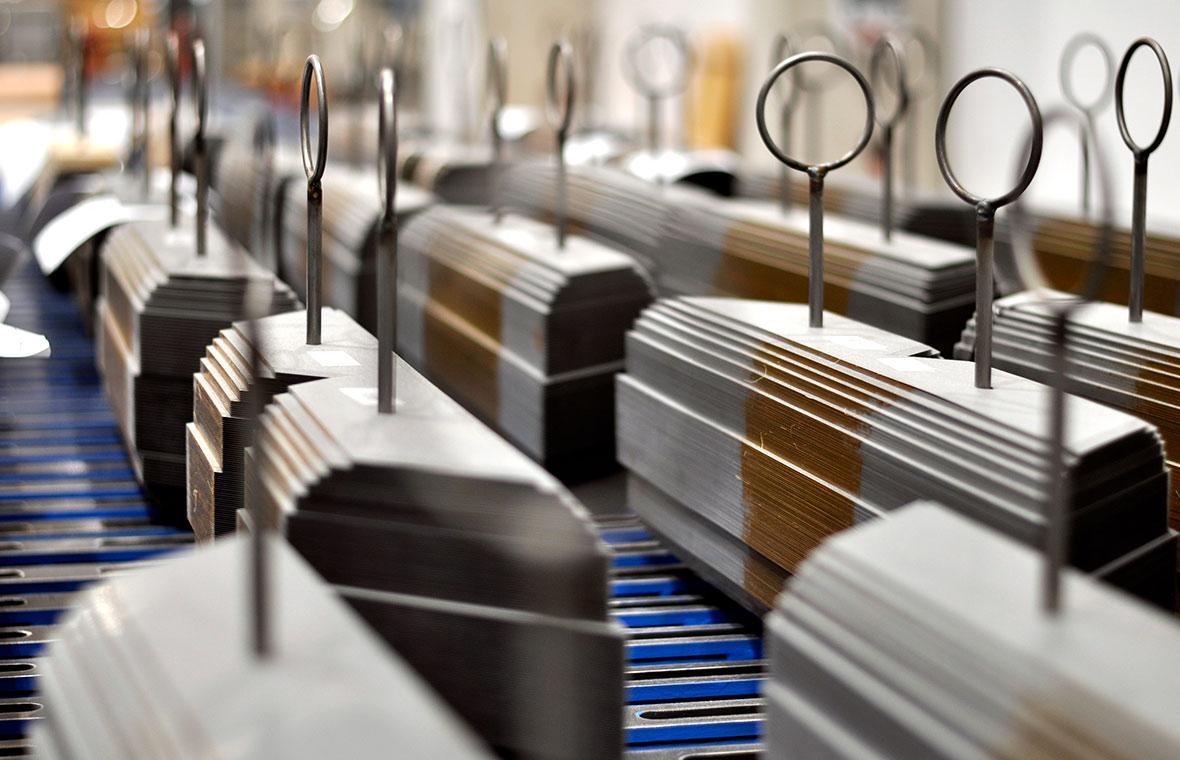
    甚至叠片正确生成不一致堆叠可以扰乱磁性路径。

    关键注意事项包括:

  • 均匀层压压力

  • 稳定对齐期间组装

  • 受控堆叠高度

  • 这些因素改善两者都效率振动稳定性

    性能比较:标准生产受控定子核心制造

    对于许多电机制造商,甚至小幅改进磁性效率可以显着影响总体设备性能。

    如何电机定子核心要求更改应用

    电机定子磁芯每一个电动电机设计必须定制操作操作环境。 不同工业应用地点不同要求材料,层压,堆叠、散热性能。 选择一个“一个-尺寸-适合-所有”核心经常潜在客户更高损耗、过热、不一致电机性能。

    1. 工业设备电机

    典型使用案例: 泵、压缩机、输送机电机

    挑战:

  • 连续操作8–16 小时

  • 扭矩需求波动负载

  • 机械振动传输来自 已连接机械

  • 工程调整:

    • 材质: CRNGO 核心损耗≤1.5 W/公斤

    • Lamination Thickness: 0.35 mm for mechanical robustness

    • Stacking Precision: ±0.02 mm to ensure uniform magnetic path

    • Winding Control: torque-balanced coils to reduce vibration

    Performance Results:

    • Noise reduction: ~12 dB compared to standard lamination

    • Efficiency improvement: +3–5% under heavy load

    • Thermal rise: reduced by ~10°C during continuous operation

    • Service life: extended by ~15%

    Industrial buyers can quantify ROI: a 5% efficiency gain over 10 motors can save ~2000 kWh/year depending on load cycles.

    2. High-Speed Automation Motors

    Typical Use Cases: robotics, CNC machines, high-speed assembly lines

    Challenges:

    • Rotational speeds exceeding 3000–5000 RPM

    • Rapid magnetic field changes causing eddy current spikes

    • Dynamic thermal cycling due to variable workloads

    Engineering Adjustments:

    • Material: CRNGO or low-loss silicon steel with magnetic permeability μ ≥ 1800

    • Lamination Thickness: 0.27 mm to reduce eddy currents

    • Stacking Accuracy: ±0.015 mm for minimal magnetic air gaps

    • Precision Stamping: burr ≤0.02 mm to reduce flux distortion

    Performance Results:

    • Eddy current losses reduced by ~15%

    • Motor efficiency maintained above 92% under full RPM

    • Vibration amplitude reduced by ~20%

    • Temperature rise controlled within 65–70°C under full load

    This ensures high-speed motors maintain both torque stability and long-term reliability.

    3. Energy-Efficient Motors for Variable Load Systems

    Typical Use Cases: VFD-driven industrial equipment, HVAC, electric vehicles

    Challenges:

    • Frequent load variation causing thermal cycling

    • High efficiency expectations (>90%) under partial load

    • Noise control for indoor or sensitive applications

    Engineering Adjustments:

    • Material: low-loss CRGO for high magnetic saturation

    • Lamination Thickness: 0.23–0.27 mm for minimal core loss

    • Stacking Method: step-lap for vibration and noise reduction

    • Insulation: high-grade electrical varnish for repeated thermal cycles

    Performance Results:

    • Core loss reduced from 1.6–1.7 W/kg to 1.3–1.4 W/kg

    • Efficiency gain: +4–6% at 50% load

    • Noise reduction: ~15% compared with standard stacking

    • Long-term stability: <2% variation in performance over 1000+ duty cycles

    These improvements translate into measurable operational cost savings for long-term motor operation.

    4. Compact Motors for Space-Constrained Equipment

    Typical Use Cases: electric tools, small appliances, robotics end effectors

    Challenges:

    • Limited space restricts lamination length and core size

    • Heat dissipation is constrained

    • High torque density required

    Engineering Adjustments:

    • Material: CRNGO or ultra-thin silicon steel (0.23 mm)

    • Core Geometry: optimized C-core or toroidal adaptation for compact winding

    • Stacking: precision-controlled, ±0.015 mm

    • Insulation & Coating: high thermal tolerance varnish

    Performance Results:

    • Maintains efficiency above 90% despite small size

    • Noise controlled to <50 dB in enclosed equipment

    • Core temperature rise <60°C under continuous duty

    By adjusting both geometry and lamination, small motors maintain performance similar to larger industrial motors.

    Key Takeaways for ToB Decision Makers

    • The application environment drives material choice, lamination thickness, and stacking precision.

    • Small changes in stamping tolerance (±0.02 mm vs ±0.05 mm) can alter efficiency by 3–5% and noise by 10–20%.

    • Choosing a supplier like Shumyi, capable of adapting motor stator cores to environment-specific requirements, ensures consistent performance, predictable energy consumption, and reduced maintenance costs.

    Safety, Quality Control, and Manufacturing Standards

    For industrial buyers, evaluating a stator core supplier also means assessing safety and quality systems.

    Quality Control Procedures

    Typical inspection processes include:

    • electrical steel material verification

    • stamping precision inspection

    • magnetic performance testing

    • dimensional tolerance verification

    Safety Considerations

    Reliable stator cores must ensure:

    • stable electrical insulation

    • resistance to thermal stress

    • mechanical durability during operation

    These factors help ensure safe long-term motor operation.

    Industry Certifications

    Most professional manufacturers follow international standards such as:

    • ISO 9001quality management system

    • RoHSenvironmental material compliance

    • CEapplicable electrical equipment standards

    These certifications support global industrial applications.

    Why Manufacturing Capability Determines Long-Term Motor Performance

    Motor design can only deliver expected performance when the stator core is manufactured with consistent precision. Variations in material quality, stamping accuracy, or stacking alignment can significantly affect magnetic performance.

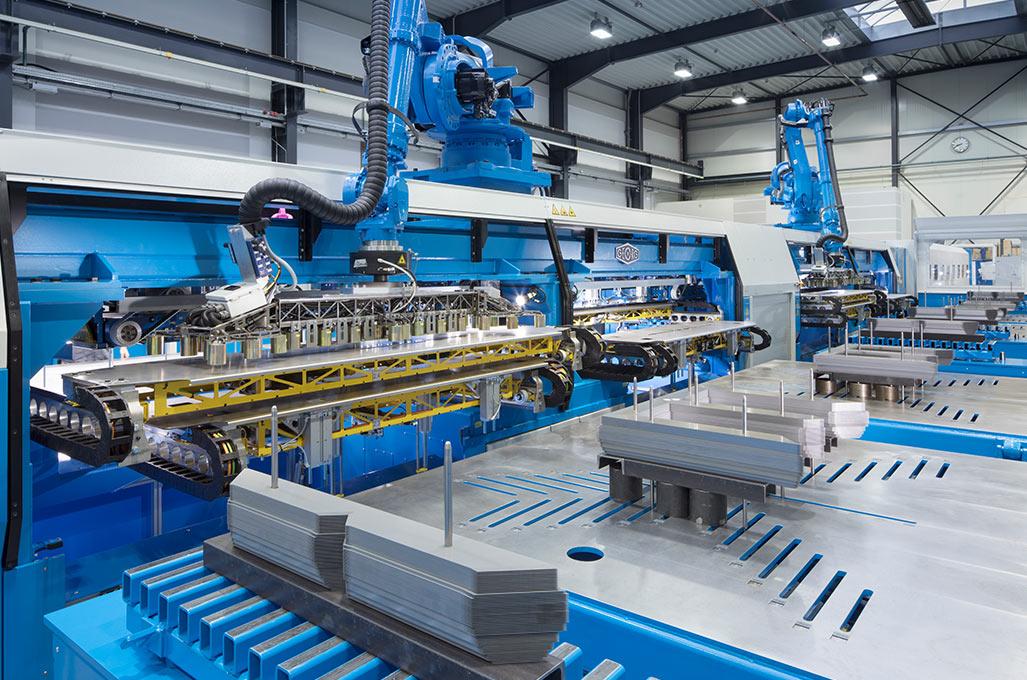
    Factories with advanced stamping equipment, stable material sourcing, and strict process control can maintain consistent tolerances across large production batches. This stability ensures that motors perform predictably under real working conditions.

    For industrial buyers, choosing a manufacturer capable of delivering this consistency is often more important than minor price differences.

    Choosing the Right Motor Stator Core Manufacturing Partner

    Selecting the right supplier for stator cores means choosing a partner that understands both motor design and manufacturing processes.

    At Shumyi, we produce high-quality stator cores using controlled stamping technology and stable electrical steel materials. Our manufacturing approach focuses on maintaining tight tolerances, consistent magnetic performance, and reliable production capacity for industrial motor applications.

    If you would like to explore available stator core types and configurations, you can review our product range here:
    👉 https://www.shumyipx.com/products

    For technical consultation, customization requests, or quotation discussions, you can contact our team directly:
    👉 https://www.shumyipx.com/contact-us

    Working with an experienced manufacturing partner helps ensure stable motor performance, reliable production supply, and long-term operational confidence.

    blog avatar

    Dongguan ShumyipXTechnology co., Ltd

    它是硬件产品的专业制造商,具有强大的认证系统和广泛的产品应用程序。

    分享
    参数 标准生产 受控制造
    核心损失 1.5–1.7 W/公斤 1.3–1.5 W/公斤
    电机效率 基线 +3–6% 改进
    噪音级别 中等 减少 减少 10–20%
    热度世代 更高 较低
    批量一致性 变量 稳定
    操作寿命 标准 改进耐用性