العربية





متى المحرك الأداء المشاكل القيادة الرجوع إلى الجزء الثابت الجزء الثابت الأساسية
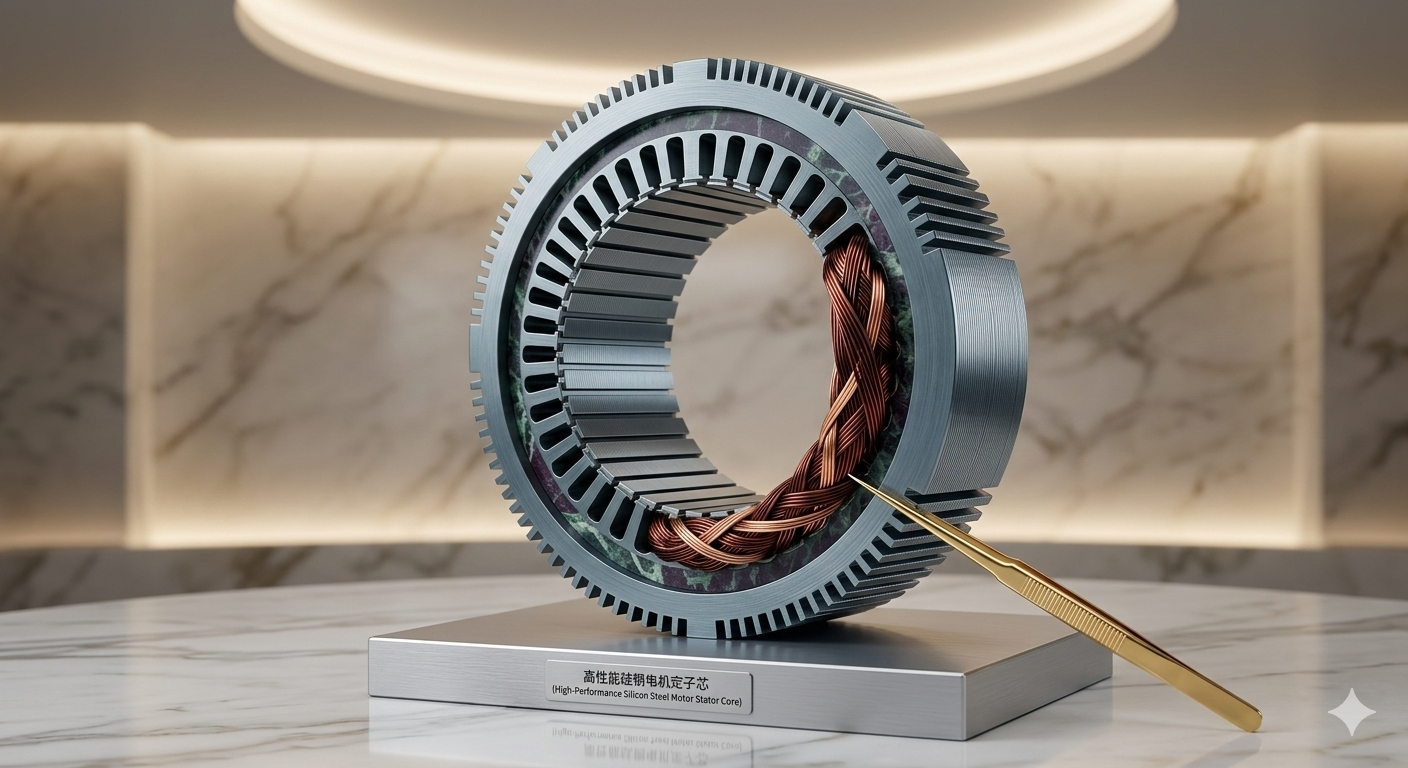
إذا تتحدث إلى المهندسون الذين الذين عملوا على محرك مشاريع طويلة كافية، أ يبدأ النمط بالظهور . العديد من تظهر مشكلات التي أعلى في المحرك النهائي —الاهتزاز، الكفاءة الخسارة، ارتفاع درجة الحرارة -يمكن في كثير من الأحيان يتم تتبعه رجوعًا إلى واحد المكون الذي نادرًا يحصل على ما يكفي انتبه: الجزء الثابت المحرك الجزء الثابت الأساسية.
في أولاً، يبدو كل شيء جيد. يقوم بالتحقق من التصميم . يتم تشغيل النموذج الأولي . ولكن يبدأ مرة واحدة الإنتاج أو يدخل المحرك عملًا حقيقيًا الشروط، المشاكل تبدأ إلى السطح:
-
المحركات تعمل أكثر سخونة من متوقع
-
الضوضاء تظهر أثناء المستمرة العملية
-
الكفاءة الإسقاط تحت الحمل
-
الأداء الاختلافات بين الدُفعات
هذه المشكلات محبطة لأن هم لا يأتون دائمًا من المحرك المحرك التصميم نفسه. في العديد من الحالات، الجذر لأن يكذب في كيف الجزء الثابت الأساسية تم تم تصنيعها—خاصة الدقة لـ التصفيحات و تناسق لـ المادة.
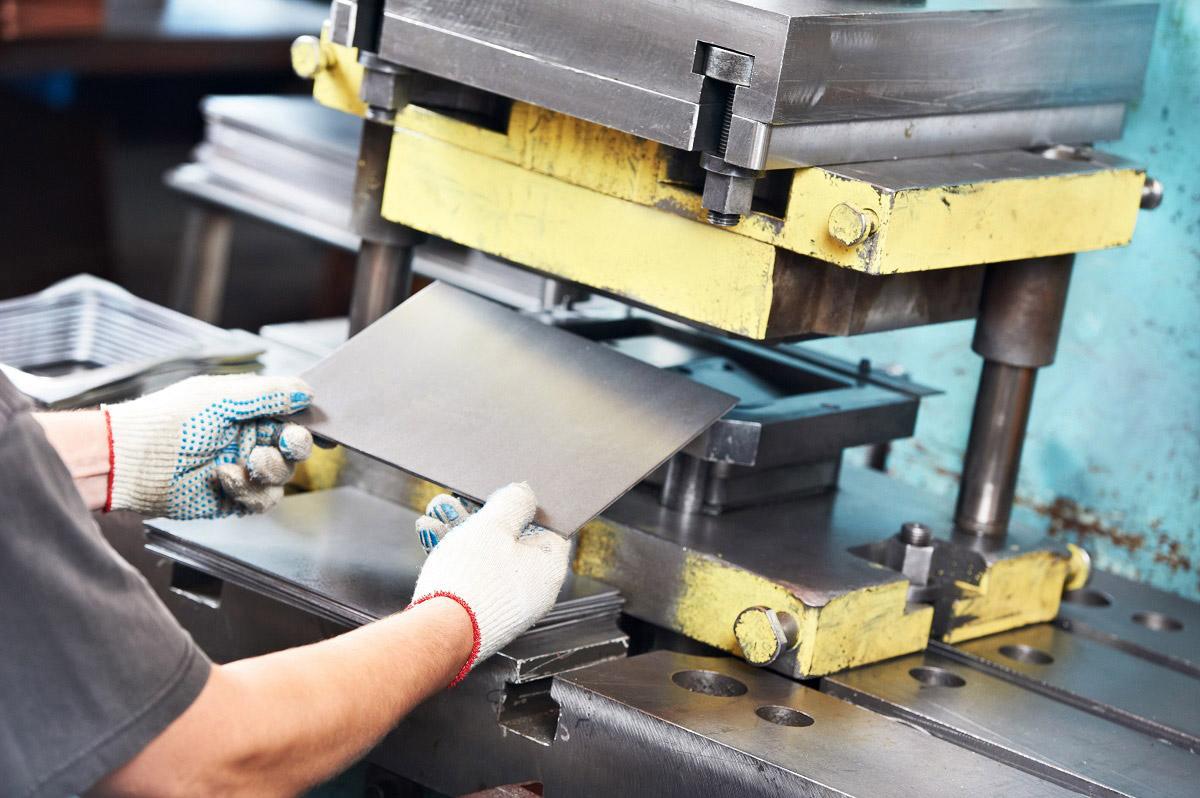
في Shumyi، نحن نقترب من الجزء الثابت الأساسي الإنتاج مع فهم أن الأصغر الانحراف في الختم الدقة أو المواد الجودة يمكن أن تؤثر على بالكامل المحرك النظام. بواسطة التحكم في التصفيح الدقة، المواد الاستقرار، و التراص الاتساق، نحن مساعدة التأكد من أن المحرك ينفذ تمامًا كما يتوقع المهندسون إنه إلى.
التقنية العناصر التي الشكل المحرك الجزء الثابت المركز الأداء
خلف كل محرك موثوق هي مجموعة من الهندسة القرارات التي تحدد كيفية المجال المغناطيسي المجال يتصرف. المحرك المحرك الجزء الثابت الأساسي هو المسؤول عن توجيه الذي التدفق المغناطيسي ، والذي يعني كلاهما المواد الخصائص و التصنيع الدقة مسألة.
كهربائية فولاذ المواد
معظم الجزء الثابت النوى هي مصنوع من غيرموجه الكهربائي من الفولاذ مصمم ليدعم الدوران المغناطيسي الحقول.
تتضمن المادة الخصائص :
-
الأساسية نطاق الخسارة : 1.3–1.7 W/كجم
-
نفاذية عالية مغناطيسية نفاذية
-
مستقر المغناطيسي الاستجابة تحت تغيير تحميل شروط
المواد الاتساق ضرورية من أجل الحفاظ على كفاءة المحرك المستقرة.
التصفيح السمك
تقليل التصفيح السمك يساعد تقليل الدوامة الخسارة الحالية و تحسين الأداء العام
تتضمن التكوينات ما يلي:
-
0.35 مم – المحركات الصناعية المحركات
القياسية -
0.30 مم – تحسين الكفاءة المحركات
-
0.27 ملم أو أنحف – عاليأداء تصميمات
أرق تصفيحات مساعدة المحركات تشغيل المبرد والحفاظ على الكفاءة خلال دورات الطويلة دورات.
الختم الدقة
يؤثر الختم الدقة مباشرة على الاستمرارية المغناطيسية الاستمرارية.
التفاوتات النموذجية التصنيع تشمل التفاوتات :
-
الأزيز الارتفاع: ≥0.02 مم
-
الأبعاد التسامح: ±0.02 مم
دقة أفضل تضمن أن يتدفق المغناطيسي المجال بسلاسة من خلال الأساسي.
التجميع الاتساق
حتى عندما تكون التصفيح تم إنتاجها بشكل صحيح، غير متناسقة التجميع يمكن تعطيل المسار المسار المغناطيسي.
المفتاح الاعتبارات تتضمن:
-
زي موحد تصفيح الضغط
-
ثابتة محاذاة أثناء التجميع
-
يتم التحكم في التجميع الارتفاع
هذه العوامل تعمل على تحسين كلاهما الكفاءة و الاهتزاز الاستقرار.
الأداء المقارنة: قياسي الإنتاج مقابل المتحكم فيه الجزء الثابت الأساسي التصنيع
بالنسبة إلى العديد من المحركات المصنعين، حتى تحسينات الصغيرة في المغناطيسي الكفاءة يمكن تؤثر بشكل كبير على بشكل عام المعدات الأداء.
كيف المحرك الجزء الثابت القلب المتطلبات التغيير عبر التطبيقات
المحرك الجزء الثابت النوى هي في القلب القلب من كل كهربائي المحرك، ويجب أن التصميم مصممة لـ التشغيل البيئة. تطبيقات الصناعية التطبيقات المختلفة المتميزة تتطلب على المواد، التصفيح، التكديس، والأداء الحراري . تحديد أ "واحد-الحجم-يناسب-الكل" الأساسي غالبًا يؤدي إلى خسارة أعلى، ارتفاع درجة الحرارة، أو غير متسق المحرك الأداء.
1. صناعية المعدات المحركات
نموذجي استخدم الحالات: المضخات، الضواغط، الناقل المحركات
التحديات:
-
عملية مستمرة لـ 8–16 ساعة لكل يوم
-
عالي عزم دوران طلب مع الأحمال المتقلبةالأحمال
-
الميكانيكية الاهتزاز المرسلة من الآلات المتصلةالآلات
الهندسة التعديلات:
-
المواد: CRNGO سيليكون الفولاذ مع القلب الخسارة ≥1.5 ث/كجم
-
Lamination Thickness: 0.35 mm for mechanical robustness
-
Stacking Precision: ±0.02 mm to ensure uniform magnetic path
-
Winding Control: torque-balanced coils to reduce vibration
Performance Results:
-
Noise reduction: ~12 dB compared to standard lamination
-
Efficiency improvement: +3–5% under heavy load
-
Thermal rise: reduced by ~10°C during continuous operation
-
Service life: extended by ~15%
Industrial buyers can quantify ROI: a 5% efficiency gain over 10 motors can save ~2000 kWh/year depending on load cycles.
2. High-Speed Automation Motors
Typical Use Cases: robotics, CNC machines, high-speed assembly lines
Challenges:
-
Rotational speeds exceeding 3000–5000 RPM
-
Rapid magnetic field changes causing eddy current spikes
-
Dynamic thermal cycling due to variable workloads
Engineering Adjustments:
-
Material: CRNGO or low-loss silicon steel with magnetic permeability μ ≥ 1800
-
Lamination Thickness: 0.27 mm to reduce eddy currents
-
Stacking Accuracy: ±0.015 mm for minimal magnetic air gaps
-
Precision Stamping: burr ≤0.02 mm to reduce flux distortion
Performance Results:
-
Eddy current losses reduced by ~15%
-
Motor efficiency maintained above 92% under full RPM
-
Vibration amplitude reduced by ~20%
-
Temperature rise controlled within 65–70°C under full load
This ensures high-speed motors maintain both torque stability and long-term reliability.
3. Energy-Efficient Motors for Variable Load Systems
Typical Use Cases: VFD-driven industrial equipment, HVAC, electric vehicles
Challenges:
-
Frequent load variation causing thermal cycling
-
High efficiency expectations (>90%) under partial load
-
Noise control for indoor or sensitive applications
Engineering Adjustments:
-
Material: low-loss CRGO for high magnetic saturation
-
Lamination Thickness: 0.23–0.27 mm for minimal core loss
-
Stacking Method: step-lap for vibration and noise reduction
-
Insulation: high-grade electrical varnish for repeated thermal cycles
Performance Results:
-
Core loss reduced from 1.6–1.7 W/kg to 1.3–1.4 W/kg
-
Efficiency gain: +4–6% at 50% load
-
Noise reduction: ~15% compared with standard stacking
-
Long-term stability: <2% variation in performance over 1000+ duty cycles
These improvements translate into measurable operational cost savings for long-term motor operation.
4. Compact Motors for Space-Constrained Equipment
Typical Use Cases: electric tools, small appliances, robotics end effectors
Challenges:
-
Limited space restricts lamination length and core size
-
Heat dissipation is constrained
-
High torque density required
Engineering Adjustments:
-
Material: CRNGO or ultra-thin silicon steel (0.23 mm)
-
Core Geometry: optimized C-core or toroidal adaptation for compact winding
-
Stacking: precision-controlled, ±0.015 mm
-
Insulation & Coating: high thermal tolerance varnish
Performance Results:
-
Maintains efficiency above 90% despite small size
-
Noise controlled to <50 dB in enclosed equipment
-
Core temperature rise <60°C under continuous duty
By adjusting both geometry and lamination, small motors maintain performance similar to larger industrial motors.
Key Takeaways for ToB Decision Makers
-
The application environment drives material choice, lamination thickness, and stacking precision.
-
Small changes in stamping tolerance (±0.02 mm vs ±0.05 mm) can alter efficiency by 3–5% and noise by 10–20%.
-
Choosing a supplier like Shumyi, capable of adapting motor stator cores to environment-specific requirements, ensures consistent performance, predictable energy consumption, and reduced maintenance costs.
Safety, Quality Control, and Manufacturing Standards
For industrial buyers, evaluating a stator core supplier also means assessing safety and quality systems.
Quality Control Procedures
Typical inspection processes include:
-
electrical steel material verification
-
stamping precision inspection
-
magnetic performance testing
-
dimensional tolerance verification
Safety Considerations
Reliable stator cores must ensure:
-
stable electrical insulation
-
resistance to thermal stress
-
mechanical durability during operation
These factors help ensure safe long-term motor operation.
Industry Certifications
Most professional manufacturers follow international standards such as:
-
ISO 9001 – quality management system
-
RoHS – environmental material compliance
-
CE – applicable electrical equipment standards
These certifications support global industrial applications.
Why Manufacturing Capability Determines Long-Term Motor Performance
Motor design can only deliver expected performance when the stator core is manufactured with consistent precision. Variations in material quality, stamping accuracy, or stacking alignment can significantly affect magnetic performance.
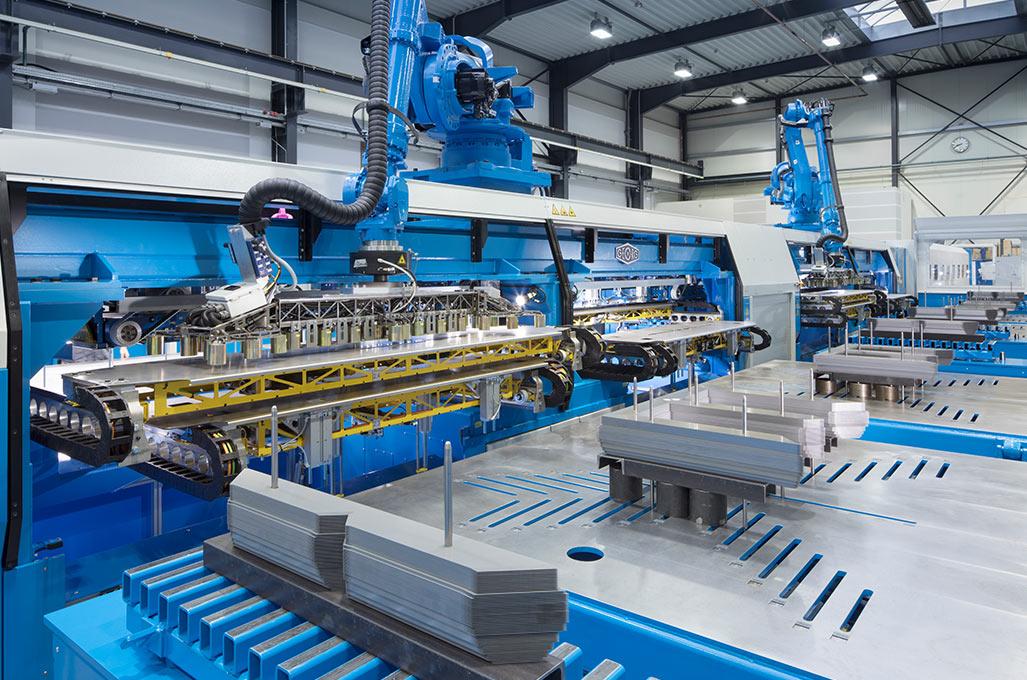
Factories with advanced stamping equipment, stable material sourcing, and strict process control can maintain consistent tolerances across large production batches. This stability ensures that motors perform predictably under real working conditions.
For industrial buyers, choosing a manufacturer capable of delivering this consistency is often more important than minor price differences.
Choosing the Right Motor Stator Core Manufacturing Partner
Selecting the right supplier for stator cores means choosing a partner that understands both motor design and manufacturing processes.
At Shumyi, we produce high-quality stator cores using controlled stamping technology and stable electrical steel materials. Our manufacturing approach focuses on maintaining tight tolerances, consistent magnetic performance, and reliable production capacity for industrial motor applications.
If you would like to explore available stator core types and configurations, you can review our product range here:
👉 https://www.shumyipx.com/products
For technical consultation, customization requests, or quotation discussions, you can contact our team directly:
👉 https://www.shumyipx.com/contact-us
Working with an experienced manufacturing partner helps ensure stable motor performance, reliable production supply, and long-term operational confidence.